
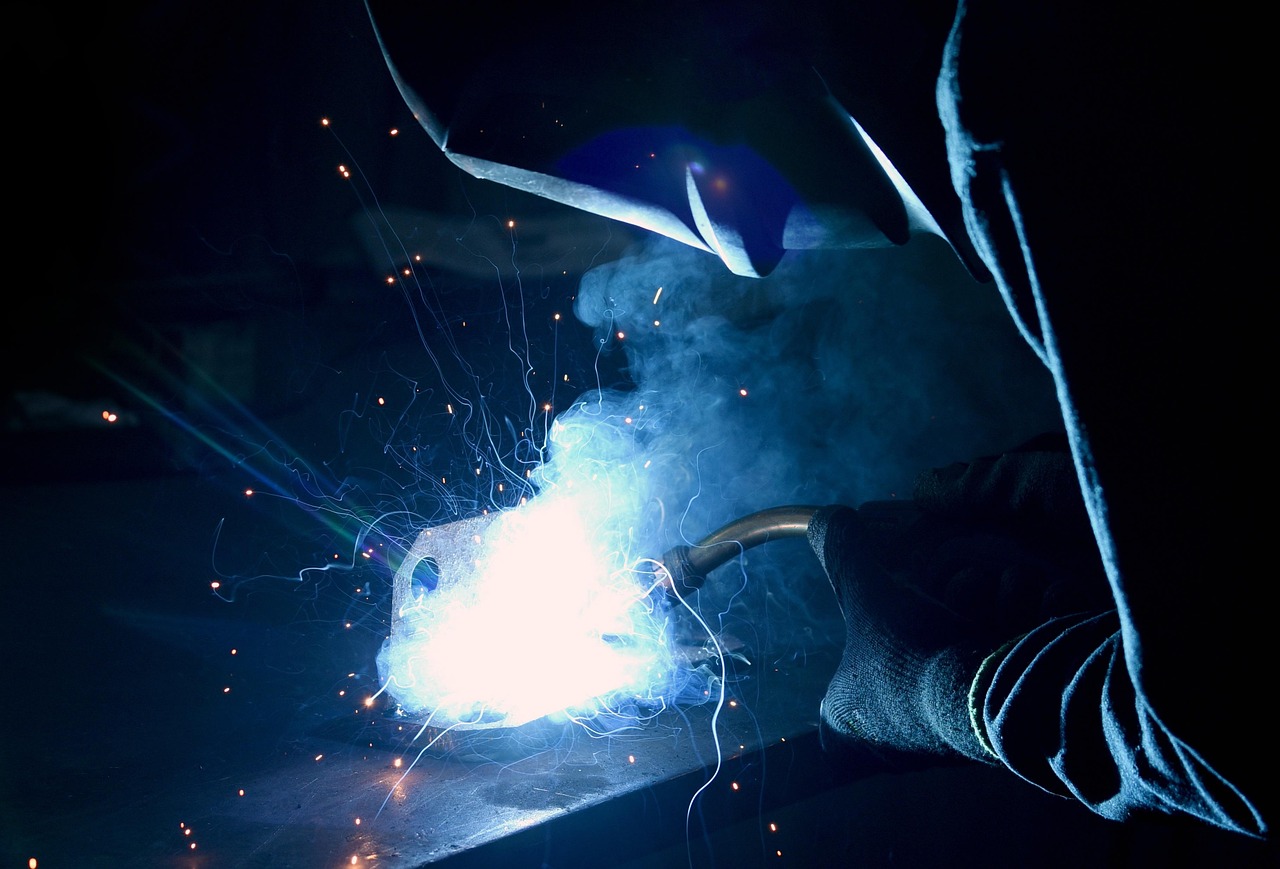
The welding process depends on the welder’s hand control and the torch’s ability to maintain a consistent arc over a range of amperages. The design of TIG welding torches directly impacts heat control, arc stability, and ultimately weld quality. You need to take a close look at head geometry, collet body design, and cooling efficiency, how the torch reacts to heat load, and how steady it holds the arc.
Torch Head Geometry and Its Impact on Arc Stability
Torch head geometry plays a critical role in shaping gas flow, tungsten positioning, and arc direction. A well‑designed head ensures
- laminar gas flow;
- reduced turbulence;
- protection of tungsten from contamination.
If you have selected a torch with a suitable head, you can expect cleaner welds and fewer defects. Compact torch heads are also useful. They are an excellent option for accessing tight joints and intricate welds. At the same time, bigger heads allow for more efficient heat distribution. The shape and size of the element also determine how evenly shielding gas surrounds the weld pool, which impacts how the weld looks.
Collet Bodies and Gas Lenses — Controlling Heat and Gas Flow
Collet bodies hold the tungsten and shape the gas flow. Standard collet bodies are effective for general welding. However, it can create turbulence at higher amperages or longer stick‑out lengths.
Gas lenses significantly improve heat control by stabilizing the arc and reducing tungsten oxidation. They allow longer tungsten sticks, better visibility, and more consistent weld penetration. All these features are critical for TIG welding, which requires accuracy.
Cooling Efficiency — Air‑Cooled vs. Water‑Cooled Torch Designs
Cooling design directly affects heat buildup, torch lifespan, and your comfort. Air-cooled torches are more portable and easier to use and are best for light to medium welding jobs. However, they heat up quickly at higher amperages. So, they are not suitable for long welds or thick materials.
Water‑cooled torches, on the contrary, maintain lower operating temperatures. If you choose them, you will be able to perform higher amperage welding with better arc stability and less fatigue. Cooling efficiency also protects consumables from wear. So, it can reduce long‑term operating costs and extend torch life.
How to Choose the Right TIG Welding Torch?
You need to balance amperage needs, cooling type, and material compatibility. For light, portable work, air‑cooled torches are simple and cost‑effective. At the same time, water‑cooled torches handle heavy-duty jobs, offer better heat control, and have longer consumable life.
For welders seeking reliability, PATON TIG torches deliver efficient cooling channels and a stable gas‑flow design. When you use them, you can maintain arc stability even during long, high‑heat welds. Their torch heads and consumables are built for precision, so they are perfect for any kind of welding that you need to do.
Torch geometry, collet body selection, and cooling efficiency all influence heat control and arc stability. So, you need to pay special attention to those two aspects. The right choice is critical, as it helps you to achieve cleaner welds, better control, and longer equipment life.