
If you ask someone who travels across Manchester every day whether commuting has changed over the past few years, they might struggle to point to one defining moment.
There wasn’t a single new tram line, one piece of technology or one policy that transformed how the city moves. Instead, the changes have happened quietly, almost without people noticing. A different route to work. A decision to leave the car at home once or twice a week. A later start to avoid the busiest trains. A bike ride that began as an experiment and gradually became routine.
These aren’t dramatic lifestyle overhauls. They’re small decisions, made for practical reasons, that have slowly reshaped everyday travel.
As work patterns continue to evolve and people become more conscious of both time and wellbeing, Manchester’s commuters are proving that lasting change often happens one habit at a time.
1. A Five-Minute Drive No Longer Feels Worth It
For years, driving was simply the default.
Whether it was a quick trip to the supermarket, a visit to the gym or a short journey to meet friends, reaching for the car keys required very little thought. Convenience almost always won.
That calculation has begun to change.
For journeys of only a couple of miles, many people now pause before starting the engine. Fuel costs, parking charges and traffic all play a part, but they aren’t the whole story. People are becoming more aware that some short journeys can actually feel easier without the car.
Walking for twenty minutes can be less stressful than searching for parking. Cycling may take little longer than driving through busy streets. Even public transport often feels more predictable than sitting in queues during peak periods.
Importantly, this isn’t about abandoning cars altogether. Most households still rely on them for longer journeys, family outings and weekends away. The difference is that people are becoming more selective about when driving genuinely adds value.
Thousands of small decisions like these rarely make headlines, but together they quietly influence congestion, neighbourhood streets and even the pace of daily life.
2. Cycling Has Found Its Way Into Ordinary Life
There was a time when cycling often felt like something people planned for their free time.
You would see families heading out on a sunny afternoon or groups setting off early on a weekend ride. During the working week, bicycles seemed far less visible.
That picture is changing.
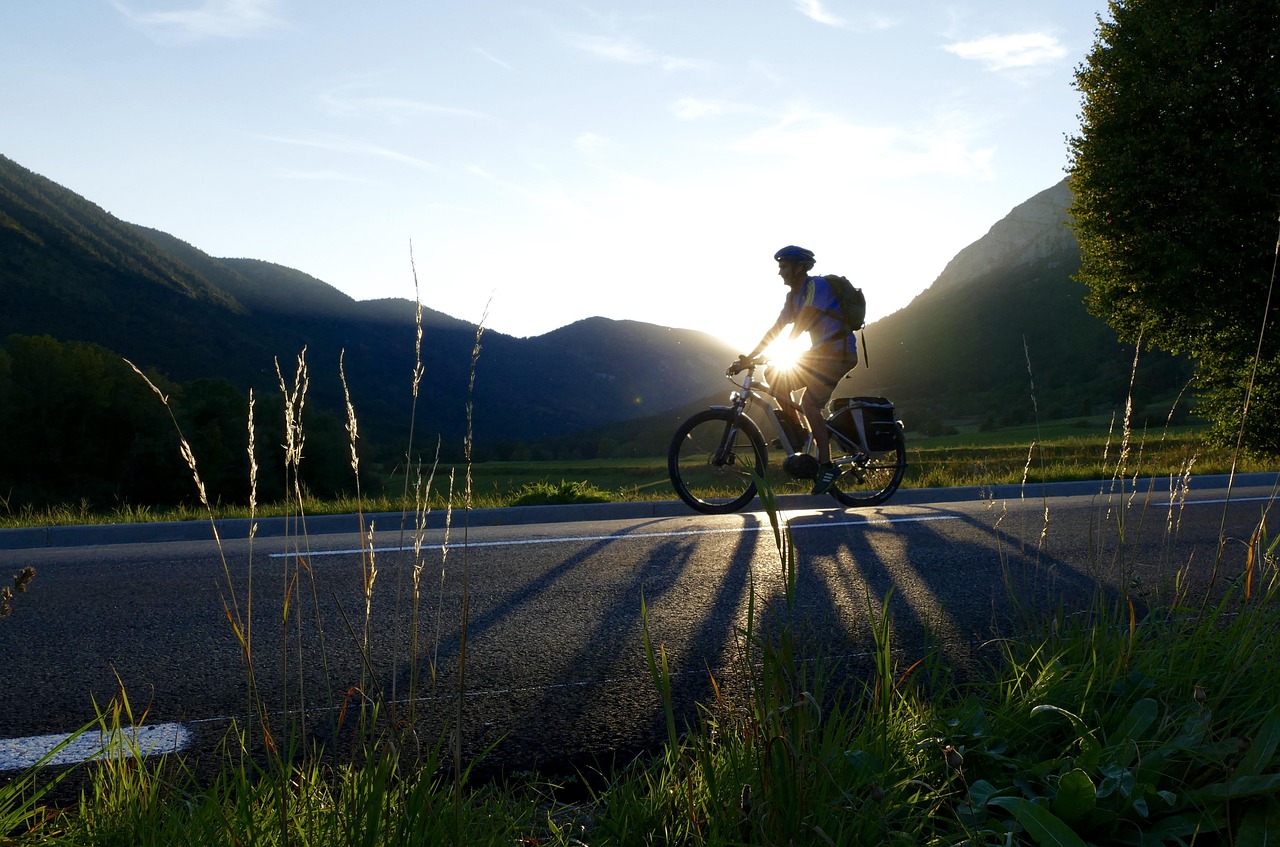
Today, it’s increasingly common to see someone cycling to the office with a laptop in a pannier, collecting groceries on the way home or taking children to school before continuing into the city centre. For many people, cycling has shifted from being a recreational activity to becoming another practical option for everyday travel.
Part of that change comes from better infrastructure, but another part comes from changing expectations. More commuters are looking for ways to build movement into routines that are otherwise spent sitting at desks or in meetings. Cycling offers a way to combine exercise with a journey that needed to happen anyway.
Electric bikes have also broadened the appeal. They make longer commutes feel less daunting and help riders tackle hills or headwinds without arriving exhausted. Rather than replacing traditional bicycles, they have given more people the confidence to consider cycling in situations where they might previously have chosen the car.
Before deciding whether cycling could realistically replace part of their daily commute, many people now spend time comparing different electric bike options, looking at factors such as comfort, battery range and the kinds of journeys they make most often. For many, the decision isn’t about becoming a cyclist. It’s simply about finding a more practical way to travel a few days each week.
Perhaps that’s the biggest shift of all. Cycling no longer feels like a statement about lifestyle or fitness. Increasingly, it’s just another way of getting from one place to another.
3. The Rush Hour Isn’t Quite What It Used to Be
The traditional commute used to follow a familiar rhythm.
Crowded trains before nine o’clock. Busy roads at five. Everyone moving at roughly the same time.
Hybrid working has softened those patterns.
Many people now travel two or three days a week instead of five. Others begin work earlier to finish in time for school pick-up, while some deliberately start later to avoid the busiest periods altogether.
This flexibility has changed more than traffic levels. It has changed how people think about commuting itself.
Rather than feeling like an unavoidable part of the day, the journey has become something that can be adjusted. Some people choose quieter trains so they can read. Others cycle on days when the weather is good and take public transport when it isn’t. Small choices like these help reduce stress without requiring major lifestyle changes.
For many commuters, control over when they travel has become almost as valuable as control over where they work.
4. The Journey Matters as Much as the Destination
Not long ago, the fastest route was almost always the preferred one.
Now, many people are choosing routes that simply feel better.
That might mean walking through one of Manchester’s parks instead of following a busy main road. It could mean cycling alongside a canal rather than navigating heavy traffic, or taking an extra few minutes to avoid particularly congested junctions.
These decisions are rarely about saving time. They’re about improving the experience of travelling.
A quieter route can provide a chance to clear your head before work or unwind afterwards. Even a short stretch of greenery can make a commute feel noticeably different from one spent surrounded by traffic and noise.
In a busy city, those moments have become surprisingly valuable.
They remind us that commuting doesn’t always have to be something to endure. Sometimes it can be an opportunity to slow down, even if only briefly.
5. Convenience Has Started to Mean Something Different
People still value efficiency, but efficiency no longer means arriving as quickly as possible.
Instead, it often means removing unnecessary friction from the day.
A journey that is reliable may be preferable to one that is technically faster but unpredictable. Walking to a local café before work can feel easier than searching for city centre parking. Combining a bike ride with public transport may require a little more planning, yet save time overall by avoiding delays.
These decisions aren’t driven by one big trend. They’re the result of people paying closer attention to how daily routines actually feel.
After all, commuting takes up a significant portion of the average working week. Even small improvements, repeated every day, can have a meaningful impact on stress, energy and overall wellbeing.
Perhaps that’s why so many of today’s commuting habits seem modest on the surface. They aren’t designed to transform life overnight. They’re designed to make ordinary days work a little better.
Small Changes Have a Way of Reshaping Cities
Cities rarely change in one dramatic leap.
More often, they evolve because thousands of people make slightly different choices at roughly the same time.
One person decides to walk to the local shop instead of driving. Another cycles to work twice a week. Someone else starts travelling outside the busiest hours or chooses a quieter route through the park.
None of these decisions feels particularly significant on its own. Together, however, they influence how streets are used, how neighbourhoods feel and how people experience the city around them.
Manchester’s commuting habits are still evolving, and they almost certainly will continue to do so. Yet the most meaningful changes may not come from major transport projects alone. They are just as likely to come from ordinary people making practical choices that better suit modern life.
Sometimes the future of a city isn’t shaped by one big idea. It’s shaped by thousands of everyday journeys that gradually begin to look a little different.