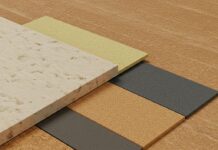

Plywood has become increasingly popular amongst homeowners and DIY enthusiasts across the UK, offering a versatile and cost-effective solution for numerous home improvement projects. This engineered wood product consists of multiple thin layers of wood veneer glued together with alternating grain directions, creating a strong and stable material that’s suitable for both structural and decorative applications.
Whether you’re planning a kitchen renovation, building custom storage solutions, or creating unique furniture pieces, understanding the advantages and limitations of plywood can help you make informed decisions about your next home project.
What Makes Plywood Special?
Plywood’s construction method gives it several unique characteristics that distinguish it from solid wood and other manufactured boards. The cross-grain layering technique significantly reduces the likelihood of warping, shrinking, or splitting, making it more dimensionally stable than traditional timber. This stability, combined with its relatively lightweight nature, makes plywood an excellent choice for various applications throughout the home.
The material comes in numerous grades and thicknesses, from thin 3mm sheets perfect for backing panels to robust 25mm boards suitable for structural work. Many suppliers now offer plywood cut to size services, eliminating the need for homeowners to invest in expensive cutting equipment or struggle with unwieldy full sheets.
The Advantages of Using Plywood in Your Home
Strength and Durability
One of plywood’s most significant advantages is its impressive strength-to-weight ratio. The alternating grain structure distributes stress evenly across the board, making it considerably stronger than solid wood of equivalent thickness. This strength makes plywood ideal for applications requiring load-bearing capacity, such as flooring underlayment, shelving, and structural elements.
Cost-Effectiveness
Compared to solid hardwood, plywood offers substantial savings whilst still providing attractive grain patterns and workability. High-quality plywood veneers can closely mimic expensive hardwoods at a fraction of the cost, making it possible to achieve premium aesthetics on a modest budget.
Versatility and Workability
Plywood accepts screws, nails, and adhesives well, making it straightforward to work with using standard woodworking tools. It can be easily painted, stained, or finished with various coatings to match your desired aesthetic. The availability of plywood cut to size from many suppliers further enhances its convenience for home projects.
Environmental Considerations
Many plywood products use fast-growing timber species and make efficient use of wood resources by utilising smaller pieces that might otherwise be wasted. Some manufacturers also offer formaldehyde-free options and products certified by sustainable forestry organisations.
The Drawbacks to Consider
Moisture Sensitivity
Standard interior-grade plywood doesn’t perform well in high-moisture environments. Exposure to water can cause delamination, where the layers separate, or edge swelling that ruins the board’s integrity. Whilst marine-grade and exterior-grade plywoods address these issues, they come at a higher cost.
Edge Appearance
The layered construction of plywood creates distinctive edge patterns that some find unattractive. These edges often require additional treatment, such as edge banding or trim, to achieve a finished appearance, adding time and cost to projects.
Quality Variations
Plywood quality can vary significantly between manufacturers and price points. Lower-grade options may contain voids, patches, or inconsistent veneers that affect both appearance and structural integrity. It’s essential to select appropriate grades for specific applications.
Limited Thickness Options
Whilst plywood comes in various thicknesses, the available options are more limited than solid wood, potentially restricting design possibilities for certain projects.
Creative Ways to Use Plywood in Your Home
Kitchen and Bathroom Applications
Plywood excels in kitchen installations, particularly for cabinet carcasses and shelving. Its stability prevents sagging under heavy loads, whilst the smooth surface accepts various finishes beautifully. For bathrooms, moisture-resistant grades can create elegant vanity units and storage solutions.
Flooring Solutions
Plywood subflooring provides an excellent base for various floor coverings, offering superior stability and screw-holding power compared to particleboard alternatives. Some homeowners even choose attractive plywood grades as finished flooring, applying appropriate sealers for a unique, industrial aesthetic.
Built-in Storage and Furniture
Custom wardrobes, bookcases, and storage units benefit from plywood’s strength and workability. The material’s ability to span large distances without support makes it perfect for adjustable shelving systems. Many furniture makers now embrace plywood’s aesthetic, celebrating rather than hiding its layered edges.
Wall Panelling and Feature Walls
Decorative plywood panels can transform plain walls into striking focal points. The natural wood grain adds warmth and texture, whilst the consistent thickness ensures easy installation. Having plywood cut to size specifically for your wall dimensions simplifies this process considerably.
Making the Right Choice for Your Project
When considering plywood for your home, evaluate your specific requirements carefully. Consider factors such as load requirements, exposure to moisture, desired appearance, and budget constraints. For structural applications, ensure you select appropriately graded materials and follow relevant building codes.
Research suppliers who offer quality products and services that match your needs. The availability of cutting services, delivery options, and technical support can significantly impact your project’s success and enjoyment.
Plywood represents an excellent choice for many home applications, offering a practical balance of performance, aesthetics, and value. With proper selection and application, it can contribute to beautiful, functional spaces that serve your family well for years to come.