
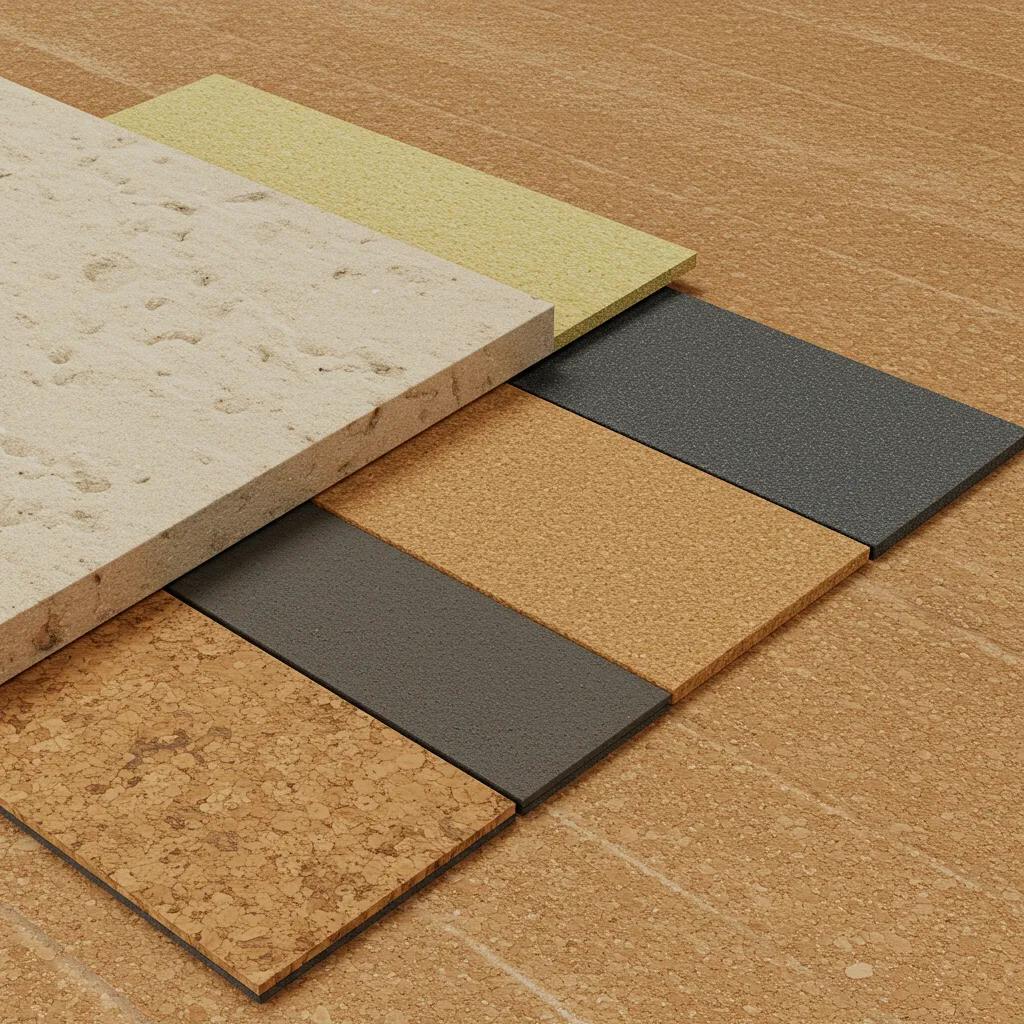
Same thermostat. Same street. Different room entirely. One Manchester home feels cold by mid-afternoon, while the one next door stays comfortable into the evening. The boiler is not always the reason. Often, the floor is doing more than people think.
Flooring changes how heat moves through a room. How long it lingers. How much disappears before anyone feels the benefit. In older Manchester homes, especially Victorian terraces with draughty suspended timber floors, that matters quickly once the temperature drops.
Hard flooring and carpet behave differently in winter. So do the layers underneath. Underlay, subfloor preparation, and moisture barriers all play a part. Get those wrong and the room keeps losing warmth, no matter how high the heating goes.
How Flooring Materials Affect Heat Retention in Manchester Homes
Carpet provides natural insulation through its fibre structure. Air trapped within the pile slows heat transfer between the cold subfloor and the room above. Hard flooring options like laminate and LVT fall between carpet and bare concrete in terms of thermal resistance. Ceramic and porcelain tiles conduct heat quickly. They feel cold underfoot even when room temperature is warm. That is not a perception problem. It is physics.
Manchester’s rainfall and persistent damp create a specific context for flooring decisions. LVT handles damp conditions without the moisture sensitivity that affects engineered wood or carpet in wet areas. Engineered wood performs better thermally than tile and suits living rooms and bedrooms in Greater Manchester homes where damp is not a primary concern.
A Victorian terrace in Salford with suspended timber floors needs different flooring from a post-war concrete slab semi in Stockport. For homeowners comparing flooring Manchester options, local housing stock matters as much as the surface material itself. A generic product guide will not always account for draughty timber floors, damp concrete, or rooms that lose heat from below.
The Role of Underlay and Subfloor Preparation in Thermal Performance
Underlay gets less attention than the flooring above it, but it does a lot of the work. A denser underlay usually makes the floor feel warmer and more stable underfoot. In Manchester homes where damp subfloors are common, moisture protection installed with the underlay makes a measurable difference to how well the insulation actually works over time.
Damp underlay loses insulating value. A suspended timber floor with moisture trapped beneath it does not provide the thermal barrier it appears to on paper. Moisture barriers installed at the point of fitting address this before the problem develops rather than after the floor needs relaying.
Acoustic underlays, often required in Manchester flats under Approved Document E for noise control, add secondary thermal resistance because of their density. Sometimes the same dense underlay helps with both sound and warmth. Balancing subfloor ventilation prevents both heat loss and condensation, which matters in a city where older and newer buildings sit side by side and the correct approach differs between them.
Common Subfloor Issues in Greater Manchester Properties
Victorian and Edwardian terraces across Salford, Stretford, and inner Manchester typically feature suspended timber floors. Original insulation is minimal or absent. Heat loss through these floors without intervention is significant. In these homes, the subfloor needs checking before any new flooring goes down. It is the step that determines whether the new floor performs or simply looks better than what it replaced.
Post-war properties across Greater Manchester commonly have concrete slab floors without adequate damp-proof membranes. Moisture rises through unprotected slabs and creates problems for flooring fitted above. Uneven subfloors create air gaps that reduce insulation effectiveness regardless of what surface goes on top. Addressing moisture ingress and levelling before surface installation is standard practice for experienced local installers. Skipping it is one of the most common reasons flooring underperforms thermally after fitting.
Comparing Warmth Retention Across Popular Flooring Types
Engineered wood provides natural warmth perception and performs better thermally than tile or stone. Its layered construction retains warmth while remaining compatible with underfloor heating. Laminate with integrated underlay can help a little with warmth, mostly because there is an extra layer between the foot and the cold floor. It is not the cosiest choice in January. Still, it feels better than a bare hard surface.
Tiles are different. Ceramic and porcelain have higher thermal conductivity, so they take warmth from the body fast. Bare feet notice it before the brain does. The room can be warm enough, but the floor still feels cold.
LVT is useful in Manchester homes where damp keeps coming back. Kitchens. Bathrooms. Ground-floor rooms near outside doors. It will not feel as warm as carpet, but it copes better when moisture is part of daily life.
Carpet still gives the strongest warmth retention where damp is not the main issue. In bedrooms, living rooms, and hallways above uninsulated subfloors, carpet over quality underlay can outperform hard flooring for warmth retention. The pile traps air. The underlay blocks some of the cold from below. The room changes how it feels before the thermostat changes at all.
Maintenance Practices That Preserve Insulation Effectiveness
Flooring that performs well at installation can lose thermal effectiveness without basic maintenance. Regular cleaning removes dust and particle build-up that reduces surface temperature.
Moisture matters more in Manchester than many homeowners expect. Damp and mould can develop before the floor shows visible damage, especially around colder edges, skirting boards, and doorways. Leaks addressed promptly, spills cleaned quickly, and trouble spots inspected regularly all reduce this risk in practice.
Heavy furnishings left in fixed positions compress underlay in the same spots consistently. Those spots stop insulating as well. Cold patches develop. Moving furniture at least once a year allows materials to recover and maintains consistent temperature across the room rather than concentrating warmth away from where furniture has compressed the floor.
Simple Steps to Maintain Floor Insulation
Area rugs on hard flooring add a quick layer of warmth in winter. Useful in rooms where a full replacement is not planned yet.
Checking rugs for lifted corners or early signs of damp catches small problems before they turn into floor problems. Once a corner starts lifting, cold air and moisture can get underneath. Then the underlay suffers. A quick look around the edges once or twice a year does more than people think, especially near doors, skirting boards, and colder outside walls.
Move heavy furniture now and again too. Not every week. Just enough to stop the same patch of underlay being crushed for years. Clean spills when they happen. Let damp spots dry properly. Small things, yes, but they help the surface covering and the underlay last longer.
Manchester homes lose warmth in different ways. The floor is often one of them. A cold subfloor, weak underlay, damp edges, or the wrong surface material can make a room feel colder than the thermostat says. A full renovation is not always needed. Sometimes the first step is simpler: check the subfloor, close the gaps, deal with damp early, and choose flooring that suits the property. Get those details right and the room holds warmth for longer, without forcing the heating to do all the work.