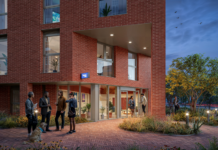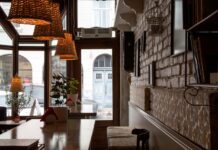

Repurposing historic buildings into creative spaces plays a key role in Manchester’s approach to heritage preservation while enabling new forms of cultural activity. These dynamic environments support a wide range of artistic and community functions, giving older city structures renewed relevance. As urban centres like Manchester seek sustainable ways to revitalise disused landmarks, creative reuse offers a practical solution that combines economic growth with social engagement.
Across Manchester and the wider region, local authorities and cultural organisations are supporting the transformation of heritage buildings into spaces where people can work, collaborate, and experience culture within city centre neighbourhoods—paralleling adaptive use trends seen in international environments such as canada universities. This approach builds on Manchester’s established creative economy by drawing people into underused areas and expanding opportunities for arts participation. Integrating historic sites into daily life enables communities to reimagine their architectural legacy while maintaining important heritage features under local protections. The practice is gaining momentum as Manchester looks for solutions to balance historical preservation with current urban needs.
Understanding what creative space now means today
In Manchester, the concept of a “creative space” encompasses multiple uses that contribute directly to the city’s cultural life. Repurposed industrial mills, warehouses, and Victorian buildings now often contain artist studios, exhibition galleries, rehearsal rooms, and small venues, each adapted to the needs of local artists and residents. Many sites provide co-working areas for freelancers and microbusinesses, as well as community workshops that promote skill sharing and inclusive engagement. This broad definition indicates a shift away from single-purpose venues towards flexible settings capable of hosting diverse events, classes, and exhibitions throughout Manchester’s neighbourhoods. The range of uses across these spaces highlights an ongoing commitment to local adaptability and public relevance.
Manchester’s historic buildings are well suited for creative reuse due to their characteristic features—such as high ceilings, large windows, and robust construction—which support multiple uses under one roof. Sites that originally served the city’s industrial past are now home to theatre performances or collaborative art projects, maintaining a sense of identity and character. The adaptability of these older spaces allows for reconfiguration as community and creative needs evolve over time. Planners, architects, and cultural groups in Manchester frequently value this type of flexibility when considering which buildings to transform into creative hubs that fit the city’s future ambitions.
Exploring the economic and community benefits involved
Transforming historic sites into creative venues in Manchester often brings added economic benefits, particularly to city centre districts where increased footfall can support independent shops, cafes, and markets. Local small businesses may see improved trade as a result of regular arts programming and public events in these revitalised spaces, while the night-time economy is regenerated by new cultural offerings. Creative spaces provide a variety of local employment opportunities, including arts management, technical production, hospitality, and education. Addressing issues such as affordability and potential displacement is part of the challenge, especially as demand grows and rent pressures increase. Ensuring venues remain accessible for emerging artists and small organisations frequently involves input from stakeholders and active oversight by both public and private bodies in Greater Manchester.
Careful planning, adherence to heritage protections, and creative funding approaches are critical to successful repurposing of Manchester’s historic buildings. Many listed or protected sites must comply with local requirements for accessibility, safety, and energy efficiency—making refurbishments complex but essential. Renovating older structures typically involves balancing the conservation of original features with modern updates like insulation, accessible routes, or up-to-date utilities. Long-term sustainability also requires consistent investment and maintenance planning to secure these buildings for future generations. Collaborative effort among cultural organisations, funders, and local authorities is needed to ensure the benefits of reuse are broadly shared across Manchester communities.
How successful models support skills and inclusion
Manchester’s historic creative spaces increasingly function as informal settings for learning, training, and access to creative industry routes. Locally organised workshops, skill-sharing sessions, and mentoring programmes often help residents—including young people—develop new abilities relevant to music, design, or digital media sectors. Venues managed for public benefit put inclusive access at the forefront, using open-call programming, affordable ticketing, and measures to keep studio rents within reach of a changing creative workforce. Addressing barriers such as high operating costs or strong demand for limited space is crucial to keep these venues accessible to all parts of the city’s population. When this is achieved, creative spaces become gateways to local skills development and reinforce the shared significance of Manchester’s heritage assets.
Indicators of success for these adaptive reuse projects in Manchester include ongoing occupancy, varied public programmes, and strong support from local communities, alongside the stability of maintenance funding. Visitors and residents experience the result first-hand when historic buildings host regular exhibitions, workshops, or live events, ensuring that heritage sites remain active and valued within everyday city life. The enduring value of converting long-standing city landmarks into creative hubs lies in their dual purpose. They celebrate collective identity while enabling new opportunities for cultural growth. Manchester’s continued focus on creative renewal demonstrates a sustainable model that respects both the past and the future of the city.