Black timber cladding has shifted from a niche architectural statement to one of the most sought-after exterior finishes across UK homes, garden rooms, and new builds. The combination of deep, striking colour and natural material warmth gives properties a visual weight that painted masonry or fibre cement boards rarely achieve.
Choosing black timber cladding well requires more than selecting a dark board. Finish type, timber species, board profile, and installation detail all determine whether the result ages gracefully or demands constant remedial work within a few years.
This guide covers everything a homeowner, self-builder, or architect needs to make a confident decision, from comparing charred and factory-coated options to understanding UK planning rules, realistic costs, and long-term maintenance. Explore black larch cladding as one of the most popular species choices currently available in the UK market.
Why Black Timber Cladding Is Having a Moment in UK Architecture
Black timber cladding draws on centuries of proven building tradition, from Japanese charring techniques to Nordic barn construction, giving it a cultural credibility that most contemporary finishes cannot match.
The “cheap and lazy” criticism circulating in self-build communities has merit, but only when applied to poor execution. Quality species, considered profiles, and matching dark-framed glazing transform a black exterior from a blunt shortcut into a deliberate architectural statement.
Two visual references dominate UK adoption: the agricultural black-tarred barn, a familiar rural fixture across Britain, and Nordic minimalism, with its clean lines and contrast-driven facades. Both traditions ground the aesthetic in something real, not fashionable.
The Cultural Roots: From Japanese Yakisugi to Nordic Barn Traditions
Yakisugi, also known as Shou Sugi Ban, is a Japanese technique dating back several centuries. Craftsmen charred the surface of cedar timber to create a carbonised layer that naturally repels fire, rot, and insects, eliminating the need for chemical treatments.
Nordic building traditions developed a parallel approach independently. Norwegian stave churches and Faroese vernacular buildings used black-painted or tarred timber as standard practice, treating dark finishes as a functional weatherproofing choice rather than an aesthetic one.
Britain has its own domestic precedent. Black-tarred agricultural barns, common across rural England, used tar coatings to protect exposed softwood from the damp UK climate, meaning the black timber aesthetic carries genuine British roots, not just borrowed Scandinavian or Japanese influence.
The aesthetic was always about durability. The design followed.
How Modern Minimalism Brought Black Cladding Mainstream
The UK self-build movement and the broader shift toward clean-line contemporary architecture transformed black timber from rural vernacular into a deliberately aspirational choice. Homeowners designing bespoke properties increasingly looked to Scandinavian and Japanese references for material inspiration, and black timber cladding sat at the intersection of both.
Architects now specify black cladding precisely for the contrast it creates. Paired with large-format glazing, raw concrete, or exposed natural timber, a black facade generates visual tension that lighter materials cannot achieve.
But boldness alone does not guarantee architectural merit. Material quality and finish choice ultimately determine whether a black exterior reads as considered design or a cheap shortcut.
Charred Timber (Shou Sugi Ban) vs. Factory-Coated Black Cladding
Choosing between charred timber and factory-coated black cladding is the single most consequential decision a buyer faces. Each approach delivers a distinct aesthetic, carries different upfront costs, and demands a different maintenance commitment over time.
Shou Sugi Ban: Durability, Texture, and Authentic Aesthetic
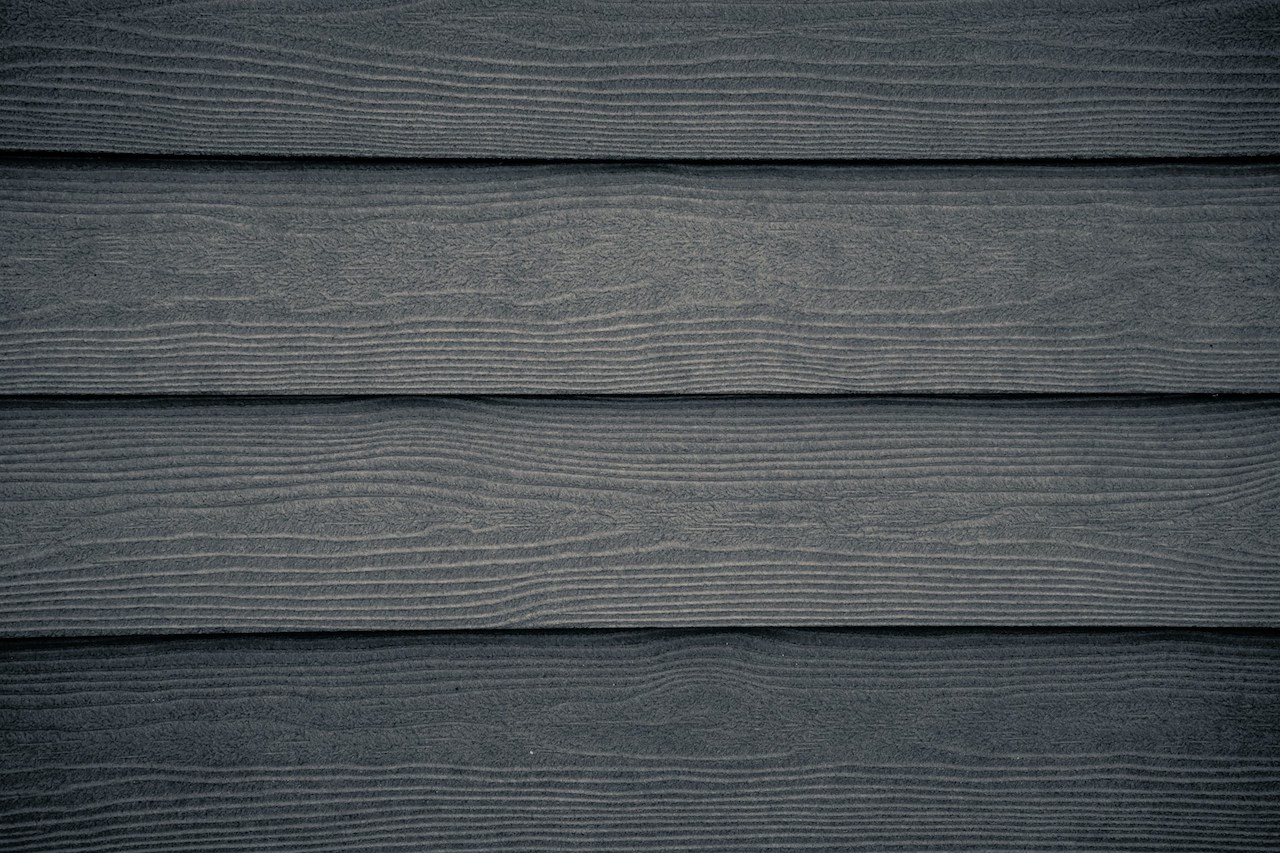
Charred timber has a tactile, three-dimensional surface quality that no factory coating can replicate. The carbonised layer creates visible depth, with texture ranging from a fine alligator-skin pattern to deep, open grain depending on char intensity and species used.
The performance case is equally strong. Charring hardens the timber surface, naturally repelling moisture, insects, and surface flame without chemical preservatives, making it one of the few exterior finishes that improves durability through the finishing process itself.
Authentic Yakisugi specifies Japanese cedar (Sugi), but UK suppliers typically use larch, oak, or Douglas fir with industrial charring to achieve a comparable aesthetic and performance profile.
Charred finishes generally require less frequent recoating than painted alternatives. Annual inspection remains advisable, particularly on north-facing or heavily exposed elevations where biological growth can develop within the char layer.
Factory-Coated Finishes: Consistency, Longevity, and Lower Maintenance
Factory-coated black cladding applies industrial microporous or opaque coatings under controlled conditions, producing uniform colour and stronger initial adhesion than any site-applied paint can reliably achieve.
Boards arrive pre-finished and ready to install, reducing on-site labour time and eliminating the risk of uneven application caused by weather, humidity, or surface preparation errors.
Maintenance demands are predictable rather than intensive. Factory coatings typically require their first full maintenance coat within 5–10 years, depending on exposure, species, and the specific product specified — an interval considerably more forgiving than untreated or site-painted timber.
For homeowners prioritising a clean, consistent finish with manageable upkeep, factory-coated boards represent the pragmatic path: a polished result without the variability of on-site finishing.
Best Timber Species for Black Cladding in the UK
Species selection determines durability class, how well the timber accepts dark coatings, and how often recoating is needed, not just the upfront material cost.
The species most commonly specified for UK black cladding projects each offer a different balance of performance and budget:
- ThermoWood (thermally modified timber): highest dimensional stability, ideal for factory-coated finishes, premium durability
- European Larch: naturally durable, cost-effective, and widely available across UK merchants
- Siberian Larch: historically popular, but post-Ukraine sanctions disrupted supply and pushed prices higher; European Larch and ThermoWood are now the more common substitutes
- Western Red Cedar: accepts coatings exceptionally well but sits at the upper end of the price range
- Douglas Fir: a solid UK-sourced option with medium durability, suitable for sheltered elevations
- British Larch: locally available with lower embodied carbon, a responsible choice for sustainability-focused projects
Untreated spruce and pine should be avoided without factory finishing, as both species absorb moisture rapidly and degrade quickly in the UK climate.
FSC certification is an increasingly important specification criterion for self-builders and architects. Responsibly sourced timber reflects growing demand across the 2026 UK market for materials with verified sustainable provenance.
Designing with Black Timber Cladding: Tips for UK Homes and Garden Rooms
Practical design decisions, not mood boards, determine whether a black timber exterior achieves architectural merit or simply looks unfinished. Material pairings, board orientation, and profile choice all shape the final result.
Pairing Black Cladding with Glazing, Natural Timber, and Metal Accents
Mismatched window frames are the most common reason black timber exteriors fall flat. Dark cladding paired with white or light-coloured frames creates visual disconnection, so matching black or dark-framed glazing and doors is the single most important decision for a cohesive facade.
Natural timber accents solve the opposite problem. Warm oak or larch tones on soffits, structural posts, and deck boards introduce contrast against the black cladding field, preventing the elevation from feeling oppressive or flat.
Corten steel, zinc, and brushed aluminium all complement black timber effectively. Their warm rust tones or cool metallic sheen offset the depth of the black surface without competing with it. External soffit LED strips and ground-level uplighting further amplify the dramatic evening presence that black cladding creates.
Vertical vs. Horizontal Boards: Choosing the Right Orientation and Profile
Vertical boarding elongates elevations visually, making it well-suited to narrow plots and taller facades. It also references Scandinavian and agricultural barn traditions directly, a natural pairing with black timber, particularly charred finishes.
Horizontal boarding suits wider, lower buildings and creates a more contemporary or mid-century feel. Garden rooms and single-storey extensions benefit most from this orientation, where the horizontal line reinforces a grounded, calm aesthetic.
Profile choice shapes both appearance and weathering performance. Shadow gap reads as clean and contemporary; featheredge suits barn-style or rural properties; shiplap offers versatility across building types; open joint maximises the tactile depth of charred timber surfaces.
In the UK’s wet climate, shadow gap and open joint profiles perform better because they allow boards to dry more quickly between rain events, reducing moisture retention and long-term degradation.
UK Planning Rules, Costs, and Maintenance for Black Timber Cladding
Three practical questions determine whether a black timber cladding project proceeds confidently or stalls: whether it needs planning permission, what it realistically costs, and how much upkeep it demands over time.
Does Black Timber Cladding Need Planning Permission in the UK?
In most cases, adding or replacing external cladding on a house falls under Permitted Development rights, meaning no planning permission is required. This applies to most standard residential properties where the work does not materially alter the building’s footprint or volume.
The key exceptions are:
- Listed buildings (any grade)
- Conservation areas
- Article 4 Direction areas
- Properties in National Parks or Areas of Outstanding Natural Beauty (AONB)
All of these require prior approval or full planning permission before cladding work begins.
Colour choice alone does not typically trigger a planning requirement. However, local planning authorities in sensitive areas may have design guidance that discourages non-traditional finishes. A pre-application enquiry is free at most councils and prevents costly mistakes later.
How Much Does It Cost to Clad a House in Black Timber in the UK?
Supply-only black timber cladding boards typically cost £30–£80+ per m², depending on species, profile, and finish. ThermoWood and Western Red Cedar sit at the upper end; European Larch and Douglas Fir offer more affordable entry points without sacrificing durability.
Installed costs add a further £40–£80 per m² on top of materials, covering labour, fixings, battening, and breather membrane. Regional labour rates vary enough to make multiple quotes essential, so get at least three from UK timber merchants and cladding contractors before committing.
Factory-coated boards cost more upfront than site-painted timber but reduce on-site labour and delay the first recoat by several years, lowering total spend over a decade. Budget for first-maintenance costs from the outset: cleaning, inspection, and a touch-up coat typically fall due within 5–10 years, and overlooking this in the initial budget is a common planning error.
Maintenance Schedule: How to Keep Black Cladding Looking Its Best
An annual soft brush clean removes algae, moss, and debris before they penetrate the surface. North-facing and shaded elevations retain moisture longest, so these areas need the most consistent attention.
Black finishes show fading and chalking more visibly than natural timber tones. Annual inspection lets you catch localised deterioration early and apply spot treatment, avoiding the cost of a full recoat ahead of schedule.
For factory-coated boards, the first full recoat is typically needed within 5–10 years. Always use a compatible product from the original manufacturer, as mismatched coatings risk adhesion failure and uneven colour. Charred timber is more self-maintaining, but the carbonised surface should still be checked annually for cracking, flaking, or biological growth.
Applying a UV-stabilised topcoat during any maintenance visit extends the recoating interval, since black pigments are particularly susceptible to UV degradation over time.
Does Black Timber Cladding Add Value to a UK Property?
A bold black exterior does not hurt resale value. Quality of execution determines the outcome, not the colour.
Black timber cladding specified with quality materials, matching dark-framed glazing, and a well-maintained finish consistently attracts premium interest in the self-build and architect-designed home market. Buyers in this segment actively seek properties with considered material choices.
Poorly specified cladding tells the opposite story. Cheap pre-painted softwood, faded finishes, and mismatched window frames signal low investment and high future maintenance, pushing buyers away regardless of colour.
The choice is effectively design-neutral on value. What matters is whether the black larch cladding is properly installed, well-maintained, and paired with the right complementary materials.
Black Timber Cladding: FAQ
Does Black Timber Cladding Make a House Hotter Inside?
No. Dark surfaces absorb more radiant heat, but modern UK buildings use ventilated cladding systems where a continuous air gap sits between the cladding board and the structural wall. Heat absorbed by the black timber dissipates through this ventilation layer before reaching the building fabric.
Building physics calculations for thermal performance exclude all elements outside the ventilation layer. Black cladding therefore has no meaningful effect on internal temperatures in a correctly specified, insulated UK home.
What Is Shou Sugi Ban and Is It the Same as Charred Timber Cladding?
Shou Sugi Ban (Yakisugi) is a centuries-old Japanese technique of charring timber, originally cedar, to produce a deeply textured black surface that resists fire, insects, and rot without chemical treatment.
In the UK market, “charred timber cladding” and “Shou Sugi Ban” are used interchangeably by most suppliers. Authentic Yakisugi follows specific Japanese methods and uses Sugi cedar, but UK products typically apply industrial charring to larch, oak, or Douglas fir, achieving a comparable aesthetic and performance profile.
What Cladding Should You Avoid?
Untreated low-durability softwoods, particularly spruce and pine, perform poorly as exterior cladding in the UK climate. They absorb moisture rapidly, making them prone to rot and swelling, requiring frequent retreatment from the outset.
Cheap site-painted black finishes on unsuitable species compound the problem. Paint adhesion fails within a few years on poorly prepared or low-density timber, producing a result that looks worse than no finish at all.
PVCu cladding is generally inappropriate in conservation areas and National Parks. Black composite cladding offers a practical alternative in some situations but lacks the natural texture, warmth, and sustainability credentials that genuine timber delivers.
Can Black Timber Cladding Work on Older or Traditional UK Homes?
Yes, though it suits contemporary architecture most naturally. On barn conversions and agricultural-style properties, a featheredge profile references traditional construction closely enough to feel considered rather than incongruous.
For Victorian or Edwardian homes, black cladding works best as an accent on a rear extension or outbuilding rather than a full-facade treatment, where it would conflict with the original character. In either case, light-coloured window frames against black-clad elevations remain the most common design error to avoid.
Black timber cladding rewards those who approach it with both creative confidence and material knowledge. Choosing the right species, profile, and finish for your specific climate and architectural context determines whether the result ages beautifully or demands constant maintenance. That informed approach is what separates a bold, lasting statement from a costly mistake.
TimberSol brings that level of precision to every project, offering charred wood products crafted with techniques that balance traditional craftsmanship and contemporary design. If you are ready to explore how black larch cladding could transform your home or building, the TimberSol team is available to guide you from material selection through to installation, ensuring the result is exactly what you envisioned.