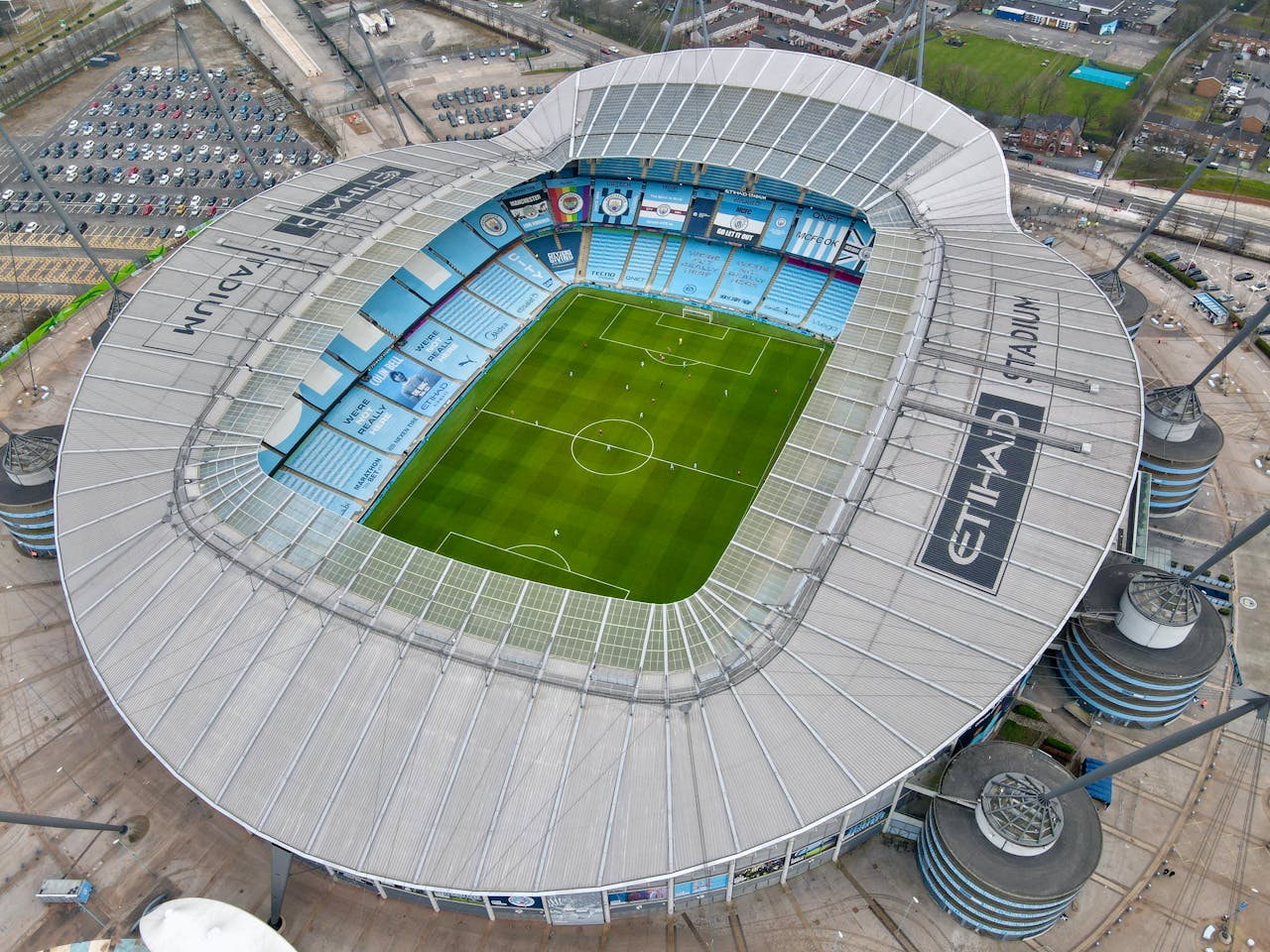
The title race is never kind, and Manchester City currently find themselves grappling with a bout of misfortune: several key midfielders and defenders have been struck by knocks. As fatigue inevitably piles up and the schedule intensifies, the balance between rotating and maintaining performance becomes ever more delicate. This article maps out the injury updates and recovery timelines, scrutinizes the depth chart and who might step up, examines how Pep has used rotation in the past, considers the risks if injuries worsen late, and assesses whether City’s squad can truly sustain a title bid under duress.
Recent Injury Updates & Recovery Timelines
A swirl of knocks has rattled the City’s engine. Midfielder Rodri limped off around 22 minutes into the match versus Brentford, prompting fears of a muscular issue; the manager has provisionally pegged off his absence at two to three weeks. Given his history—including a prior ACL and meniscus injury—the concern is elevated.
Defensively, Manuel Akanji has already been ruled out for an extended spell. After sustaining a groin adductor injury, he is expected to undergo surgery and miss eight to ten weeks. This comes atop earlier absences in the center-back unit.
In attack, new signing Rayan Cherki is sidelined with a thigh injury, projected to be out for two months, which rules him out until late October. Meanwhile, Omar Marmoush suffered a knee issue while on international duty with Egypt and is not expected to feature in City’s upcoming matches until further assessment.
These injuries overlap with the usual wear-and-tear accumulated across a demanding slate of fixtures in Premier League, Champions League, domestic cups, and potential further obligations. The timing is harsh: as metrics are recalculated, fans often turn to prizepicks to test how different lineups might influence player stats and matchups—offering a fun, analytical lens on what-ifs in elite clubs like City.
Depth Chart Evaluation: Who’s Next in Line
With Rodri sidelined, City’s fallback is Nico González, who has gradually integrated into the midfield picture. Kalvin Phillips is also part of the squad and could shift more centrally. Bernardo Silva can drift deeper as a metronome in emergencies, though his creative duties are usually prioritized further forward. Further down the pecking order, Oscar Bobb or Matheus Nunes may be called upon to fill rotational midfield roles.
The loss of Akanji intensifies reliance on Rúben Dias, Josko Gvardiol, Nathan Aké, and John Stones. Dias is an anchored presence; Gvardiol offers versatility, and Aké brings experience — though Aké’s game time must be managed. Stones has frequently battled injuries himself, so his reliability is variable. Depth options beyond that group include Rico Lewis, Vitor Reis, Abdukodir Khusanov, and Issa Kaboré — youthful but untested at elite levels.
Though the injury wave is heavier in defense and midfield, attacking depth also holds importance if rotation is required. Marmoush’s absence shifts greater load onto Erling Haaland and Jeremy Doku, with Jack Grealish and Bernardo Silva expected to share more creative responsibility. Given those options, City’s bench is respectable — but converting backup potential into consistent performance under pressure is no guarantee.
Past Rotation Strategy by City
Pep Guardiola is no stranger to rotating. In previous title-winning seasons, he has regularly rotated full-backs, midfielders, and attackers across Champions League, domestic cups, and league games to manage physical load without sacrificing control of matches. On match days where the opponent is less threatening, he has deployed fringe players to rest core starters. In seasons where title races tighten toward the end, he typically conserved key players such as Rodri or Dias during lower stakes matches.
When injuries have struck midseason, he often compresses tactical roles—asking midfielders like Bernardo Silva or Kevin De Bruyne to courier defensive cover or deeper control—as a partial hedge. He has also prioritized rotating the full-back line more aggressively, leveraging youth players such as Rico Lewis during congested periods. This approach has helped maintain fitness for vital fixtures.
In knockout competitions, Guardiola will sometimes field stronger lineups even in earlier rounds, but with earlier substitutions to manage minutes. The balance has always been between freshness and continuity. Given City’s current injury troubles, that balancing act becomes more precarious this season.
Potential Risks If Injuries Compound Late
If additional injuries emerge, City risk a cascade of problems. Without both Rodri and a fully fit backup, City could struggle to dominate transition phases, allowing opponents to exploit gaps between attack and defense. Losing one more center-back could force reliance on inexperienced backups like Khusanov or Reis, raising the risk of misreads, poor positioning, and mistakes under pressure.
Over-rotating to distribute minutes could disrupt cohesion — new combinations may not gel immediately, leading to lapses in shape or communication. Players pressed into more minutes, like Dias or Gvardiol, may suffer fatigue-related injuries, creating further problems. As the title race narrows, mounting injuries weigh on squad morale and decision-making under stress. Guardiola’s blueprint — positional fluidity, proactive pressing, asymmetric rotations — relies on having flexible, fit options. A depleted squad constrains that flexibility.
Ultimately, the title run-in demands maximum performance from every squad member; if City cannot preserve quality through depth, the campaign might hinge on whether their backups can match elite standards under duress.
Can Depth Truly Sustain the Title Bid?
City have assembled one of world football’s deepest squads — a roster boasting names like Haaland, Grealish, Foden, Bernardo Silva, Kovacic, Alonso, Gvardiol, Dias, Akanji, and many more under long-term contracts. The contract valuations reflect that: Haaland’s extension is worth £273 million through 2033, Grealish’s deal totals £93.6 million until 2026, and others such as Silva, Gvardiol, Phillips, Aké, Bobb, and González illustrate the investment in quality depth.
What these numbers show is that City does not need quantity so much as reliability — every backup must be trusted under pressure. With Rodri out, Nico González’s minutes will be critical; with Akanji gone, the burden on Dias, Stones, Gvardiol, and Aké grows steep. The attacking corps may absorb more load, but midfield and defense are zero-mistake zones. Guardiola’s rotation history gives a blueprint, but this season’s hit list of injuries is one of the harshest ones in recent memory.
If City can keep injuries contained, manage minutes smartly, and extract high-level performances from substitutes, their title ambitions remain intact. But if another injury strikes in January or February — midfielders, defenders, or key utility players — the margin for error narrows dramatically. Depth may help, but it must be battle-hardened depth, not just bench fodder.