
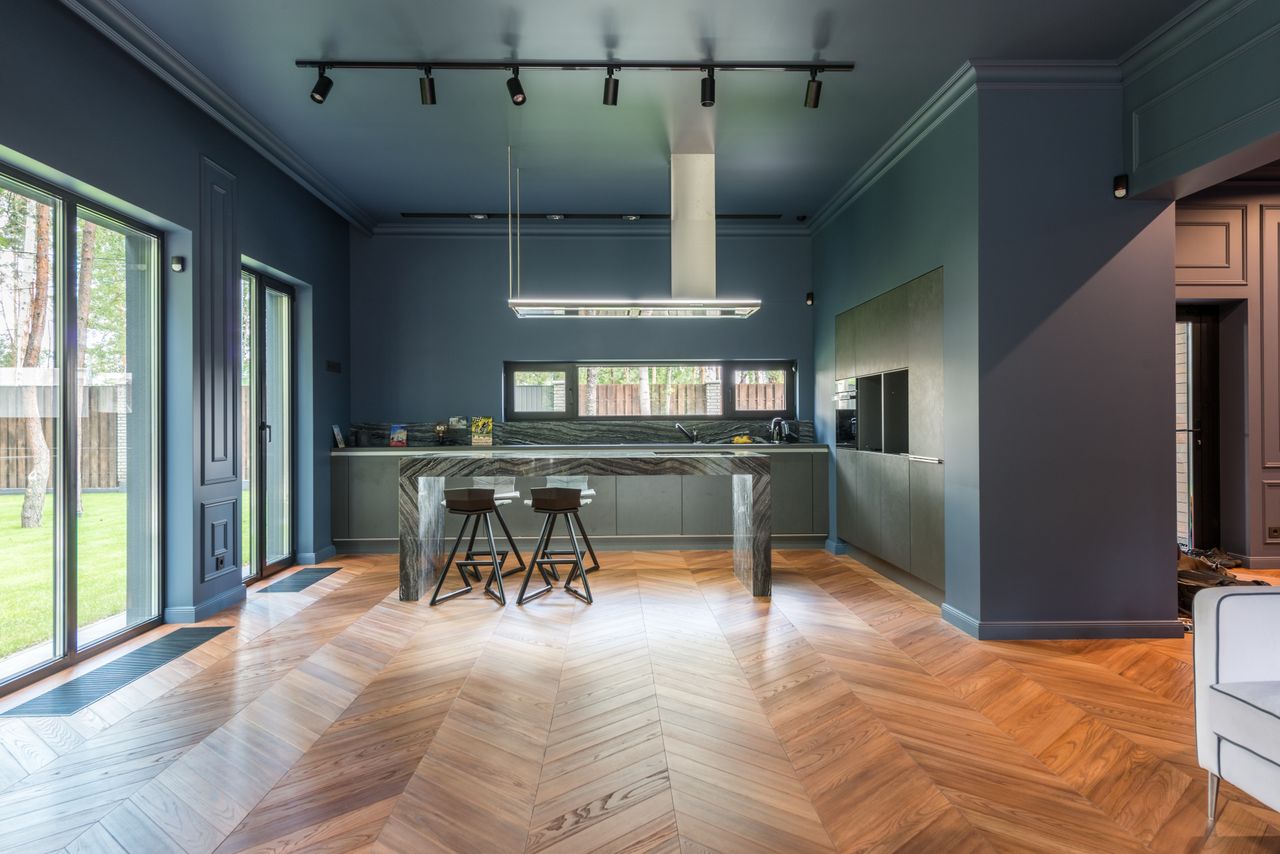
Interior design across the UK is increasingly shaped by a blend of heritage-inspired styling and contemporary construction materials, as architects and homeowners seek to balance visual character with practicality. While minimalist design remains influential, many residential projects are now moving away from stark interiors in favour of spaces that incorporate more texture, depth and architectural detail.
This shift has encouraged designers to revisit traditional decorative elements such as wall panelling, mouldings, ceiling features and detailed joinery. However, rather than relying solely on historic construction methods or costly handcrafted materials, many modern projects are integrating engineered alternatives that deliver similar visual impact with improved consistency and efficiency.
Industry specialists say the trend reflects changing consumer expectations around both appearance and performance. Homeowners increasingly want interiors that feel timeless and architecturally refined while remaining practical for modern lifestyles. The combination of classic aesthetics and modern materials has become a way of achieving that balance.
The approach is now visible across a wide range of residential developments, from period property refurbishments to newly built homes designed to introduce warmth and character into otherwise contemporary layouts.
Heritage Influences Are Returning to Residential Design
Designers say consumers are becoming more interested in interiors that feel layered and established rather than overly minimal or trend-driven. Decorative detailing that was once considered old-fashioned has returned in more restrained forms, helping create spaces that feel more balanced and visually complete.
Wall mouldings, shaker-style joinery and traditional skirting profiles are increasingly being incorporated into modern homes without replicating historical interiors entirely. Instead, designers are simplifying these elements to suit cleaner architectural lines and neutral colour palettes.
The trend has been influenced partly by the popularity of renovation-focused social media content and property programmes, where viewers are regularly exposed to homes featuring subtle architectural detailing. This has increased awareness around how smaller design features can shape the overall atmosphere of a space.
Interior architects note that decorative details often improve how proportions are perceived within a room. Ceiling mouldings can create a sense of height, while wall panelling and fitted joinery help define spaces more clearly within open-plan layouts.
In many cases, homeowners are looking for interiors that feel distinctive without becoming visually excessive. Traditional design references provide familiarity and warmth, while modern execution keeps spaces functional and adaptable.
Modern Materials Are Supporting Design Flexibility
The renewed popularity of decorative detailing has coincided with significant advances in interior manufacturing materials. Engineered products now allow designers to achieve refined finishes with greater precision, stability and affordability than was previously possible using solid timber alone.
Moisture-resistant MDF, veneered panels and pre-primed mouldings are widely used across residential renovation projects because they provide consistent surface quality and easier installation. These materials have become particularly important in large-scale refurbishments where visual continuity across multiple rooms is essential.
Design professionals say the reliability of engineered materials allows more homeowners to incorporate architectural detailing without the high costs traditionally associated with bespoke joinery work. Products such as MDF decorative mouldings are increasingly specified in modern interiors where designers want to introduce classical detailing while maintaining cleaner contemporary finishes.
The versatility of these materials also supports a wider range of design applications. Decorative elements can now be adapted more easily for curved walls, integrated storage systems and customised room layouts, allowing traditional influences to work within modern architectural forms.
This flexibility has helped expand decorative detailing beyond period properties and luxury developments into mainstream residential renovation projects.
Contemporary Luxury Is Becoming More Subtle
The shift towards combining traditional aesthetics with modern materials also reflects changing ideas around luxury within the property market. Interior designers say many clients are moving away from highly polished or overtly decorative spaces in favour of interiors that appear more understated and carefully considered.
Architectural consistency, craftsmanship and material quality are increasingly viewed as stronger indicators of premium design than trend-based decoration. As a result, subtle mouldings, fitted wall features and coordinated joinery are often used to create a sense of refinement without overwhelming interiors.
This approach aligns closely with broader trends in residential architecture, where clean lines remain important but are softened through texture and detail. Traditional influences help prevent contemporary spaces from feeling sterile, particularly in homes with large open-plan layouts or minimalist structural designs.
Property developers have also responded to these changing preferences. Premium new-build projects increasingly include decorative wall treatments, bespoke storage and heritage-inspired finishing details designed to add character while maintaining modern functionality.
Industry analysts say buyers are placing greater emphasis on homes that feel visually balanced and move-in ready, particularly in competitive urban housing markets.
Sustainability Is Influencing Material Selection
Environmental concerns are further shaping how designers approach traditional-style interiors. Many homeowners want the appearance of classic craftsmanship while also prioritising materials that support more sustainable renovation practices.
Engineered wood products are often viewed as more resource-efficient because they maximise material use and reduce waste compared with some traditional manufacturing methods. Their durability and dimensional stability can also extend product lifespan, reducing the need for frequent replacement.
At the same time, timeless interior styling itself is increasingly associated with sustainability. Designers argue that spaces built around enduring architectural principles are less likely to require repeated redesign as trends change.
This has encouraged greater interest in muted colour palettes, neutral finishes and classic detailing that can adapt over time without appearing dated. Traditional aesthetics are therefore being used not only for visual appeal but also as part of a broader move towards longer-lasting interior design strategies.
The Blend of Old and New Is Likely to Continue
Industry professionals believe the fusion of traditional aesthetics and modern materials will remain a defining feature of residential interior design over the coming years. As homeowners continue investing in renovation work, demand is expected to remain strong for interiors that combine character, practicality and long-term durability.
Rather than viewing heritage styling and contemporary design as opposing approaches, many designers now see them as complementary. Traditional detailing introduces depth and familiarity, while modern materials improve accessibility, performance and installation efficiency.
The result is an evolving design language that reflects both architectural history and contemporary living requirements. In a residential market increasingly focused on refinement and longevity, the combination of classic influences with modern manufacturing solutions is helping shape interiors that feel both timeless and relevant.