
Ancient Egyptian religion was not as fixed and unchanging as many people imagine, according to new research by Manchester Egyptologist Dr Huw Twiston Davies.
His new book reveals that beliefs and funerary practices evolved even within a single generation, showing that ancient Egyptian religion was dynamic, adaptable and shaped by changing social priorities.
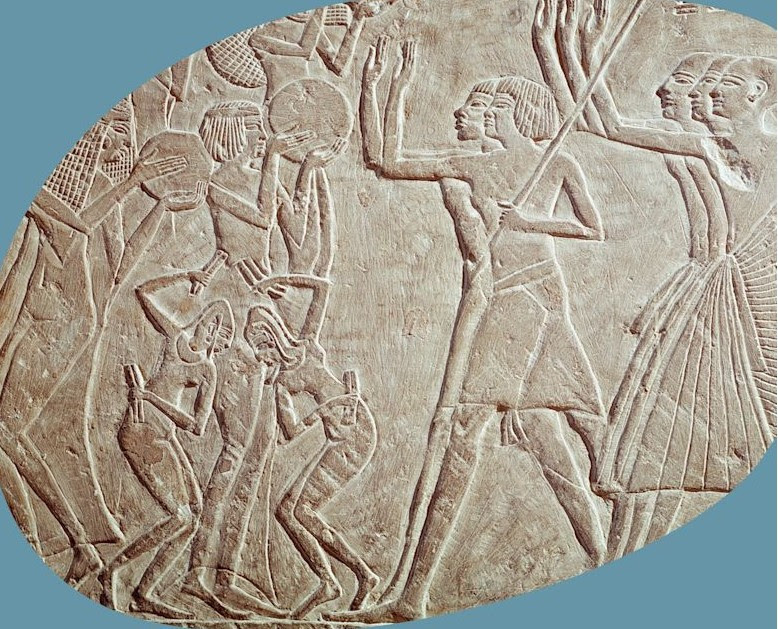
The study focuses on tombs at Saqqara, one of Egypt’s most important burial sites, and explores how tomb owners commissioned and decorated their burial spaces in ways that reflected both tradition and contemporary change.
Ancient Egypt is often portrayed as a civilisation governed by rigid traditions and unchanging religious beliefs lasting thousands of years.
However this research challenges that perception, revealing a society in which religious ideas and funerary practices adapted over time, even across the span of a single lifetime.
Rather than being rigid, Egyptian religious culture responded to changing tastes, priorities and local traditions.
At the heart of the book is the idea that tombs were highly personal spaces.
The decoration, inscriptions and arrangement of funerary texts within tombs at Saqqara reflected the involvement of those commissioning them. While these tombs drew on established religious traditions, they also reveal changing fashions and evolving approaches to the afterlife.
Two tombs built only a generation apart could already show noticeable differences in style, emphasis and religious presentation.
Drawing on archaeological evidence from Saqqara, the study shows that
Funerary texts and images differed between tombs during this period
Tomb decoration reflected individual commissions rather than a single rigid template
Religious styles and practices evolved noticeably over relatively short periods of time
The findings challenge the long-standing image of Egyptian religion as static and entirely controlled from the top down by priests and kings.
Saqqara, the necropolis of ancient Memphis, provides an unusually rich record of religious and artistic change.
The book demonstrates how local traditions shaped tomb decoration and funerary expression, revealing how broader religious beliefs could be adapted differently within particular communities.
The research presents ancient Egyptian religion as .Evolving rather than fixed, Influenced by local communities and changing fashions and Shaped through personal commissions and lived experience
In short, the study suggests that ancient Egyptians were not simply preserving ancient traditions unchanged – they were continually adapting them for new generations.
The Transmission of the Book of the Dead in New Kingdom Tombs at Saqqara will be published in paperback by Bloomsbury Academic on June 25th, but is also currently available to read online via Open Access.