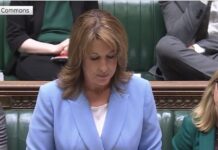

The chancellor has scrapped the two-child benefit cap and will oversee a £150 cut in average energy bills following her budget speech this afternoon.
The overall tax burden is going up by £26 billion, including via income tax and national insurance threshold freezes and it is estimated that one in four workers will be paying the higher rate of income tax by 2030.
There will be taxes on electric car mileage, mansion taxes via a new council tax surcharge on expensive homes and a tax break cut for salary sacrifice schemes
There will be a milkshake tax and gambling taxes with horse-racing exempted as well as lower business rates for high-street businesses but higher rates for warehouse firms like Amazon
For those planning on investing in ISA’s there will be lower allowances unless they are invested in stocks and shares
The Chancellor also pledged to end the 5p fuel tax cut that has been in place since 2022 in September 2026, and then for fuel tax to rise with inflation
Rachel Reeves will apply 20% VAT on all private hire rides such as Uber or Bolt from January Firms had warned this “taxi tax” will push fares up by around 15%
Motability users will now pay tax on their insurance and VAT will be charged on upfront payments for more expensive cars
Reeves also says that she will impose a £925 a year levy on fees paid by overseas students to fund maintenance grants for poorer British students.It will begin from 2028 but universities will get an allowance covering their first 220 international students
The level of fiscal headroom has been doubled to more than £22 billion while Growth will be up this year from 1 per cent to 1.5 per cent – but down from earlier projections by 2029.
The OBR says household disposable income will grow at just 0.25% a year for most of the decade as slower wage growth and higher taxes drag incomes down
Graham Whitham, Chief Executive of the Manchester based Resolve Poverty said:
“Today’s announcement is a huge win for families who have struggled for too long under policies that caused suffering to children for the size of their family. But if the government is serious about eradicating child poverty, this must be just the start.”
“The government is often criticized for lacking a unifying narrative that brings the country together. Today’s positive announcement demonstrates how ending child poverty could be the defining mission of this government. An agenda with the promise to bring communities across the country together through a focus on creating a better future for all children.”
Ben Harrison Director, Work Foundation at Lancaster University said
“It is welcome the Chancellor has attempted to bear down on cost of living pressures facing millions of UK workers while taking action to boost the economy.
“However, OBR forecasts cast doubt on whether the measures in the Budget meet the scale of the challenge. It predicts a delayed reduction in inflation, continued sluggish growth and relatively few economically inactive people moving back into work before the end of this Parliament.
“Commitments to freeze rail fares and to cut family energy bills by an average £150 have the potential to lower the rate of inflation in 2026. But inflation is only forecast to return to the Bank of England’s target of 2% by 2027 – a year later than previously anticipated. Taken together with the decision to freeze tax thresholds for a further three years, the reality is many workers may continue to feel a squeeze to their living standards over the coming period.
“With growth forecasts downgraded, it is also not clear whether Budget measures will address a series of worrying trends in the UK labour market. Unemployment is at a four year high, youth unemployment is rising and health-related economic inactivity remains stubbornly at a near record 2.8 million.
“Yet the OBR suggests that previously announced funding for extra employment support will only support up to 40,000 inactive people back into work by 2029/2030.And while a new ‘Youth Guarantee’ may help more young people to secure a job, there remains a significant risk that interventions will arrive too late to have an impact this Parliament.”