
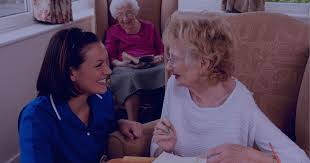
Bury Council has welcomed a ‘Good’ rating from the Care Quality Commission (CQC), recognising strong person-centred care, effective partnerships and a clear focus on helping people live independently.
The independent inspection, which reviewed how well the council meets its duties under the Care Act 2014, found that services in Bury are performing well, delivering strong, person-centered care, and working effectively with partners across the borough.
The CQC rated Bury as ‘Good’ overall, with strengths identified across key areas including how the council collaborates with people to ensure equity in experience and outcomes, how support is delivered through strong partnerships and communities, and how safety and safeguarding are managed within the system.
The inspection also recognised strengths in leadership, highlighting effective governance, sustainability, and a strong focus on learning, improvement, and innovation.
The report points to tangible progress, including a significant reduction in waiting times, stronger safeguarding arrangements, and a greater focus on equality, diversity, and inclusion.
Inspectors found that residents are supported in a way that builds on their individual strengths, with services focusing on their goals and tailoring treatment and support to help people live as independently as possible.
The report highlighted Bury’s Integrated Neighbourhood Model, where health, social care and voluntary sector teams work together to support communities. This joined-up approach has demonstrated improved health outcomes and provided successful intervention and prevention measures through community-based services.
Bury’s strengths-based practice ensures that care is personalised, inclusive, and empowering, supporting residents to remain connected to their communities and maintain their independence.
Chris Badger, CQC’s chief inspector of adult social care and integrated care, said:
“When we assessed Bury Metropolitan Borough Council’s adult social care services, we found strong and passionate leaders who had a good understanding of the needs of their local population. Where gaps in services had been identified, they were striving to make improvements so people could receive the support they needed.
“Bury is a diverse area and people received care and support which ensured their human rights were respected. Staff understood the different communities and the barriers they faced to meet their care and support needs. We heard positive examples of engagement with these communities through integrated neighbourhood teams. These brought together health, social care, and voluntary services within the community.
“Inspectors found the local authority had a strong focus on partnership working. We heard about an initiative with the carers organisation, which was launched to engage with men with early-onset dementia and reduce social isolation. Sessions were held at Bury Football Club, using sport-related discussions and memorabilia to spark connection and reminiscence, which had a positive impact on people.
“Additionally, the local authority used opportunities to jointly fund adult social care services with partners to achieve better outcomes for people. For example, we heard how hospital teams worked together so more people could return home from hospital, rather than needing residential care. Working in partnership enabled better coordination of health and care services for people who needed care and support.
“The local authority had also built a strong culture of learning and improvement. For example, young people joined recruitment panels, and influenced who was hired to support them, ensuring the staff reflected their values and preferences.
“Overall, Bury Metropolitan Borough Council should be pleased with the many positive findings in our report and their good rating. They’ve already told us how they’re planning to build on this further with improvement plans and we look forward to seeing how their improvement plans continue to develop.”