
Silver pricing rarely reacts to a single market factor. Inflation expectations, Treasury yield movement, industrial manufacturing demand, and Federal Reserve commentary all contribute to directional momentum across commodity markets. Because silver operates as both an industrial asset and a defensive instrument, price movement often becomes more volatile during periods of monetary policy uncertainty and macroeconomic instability.
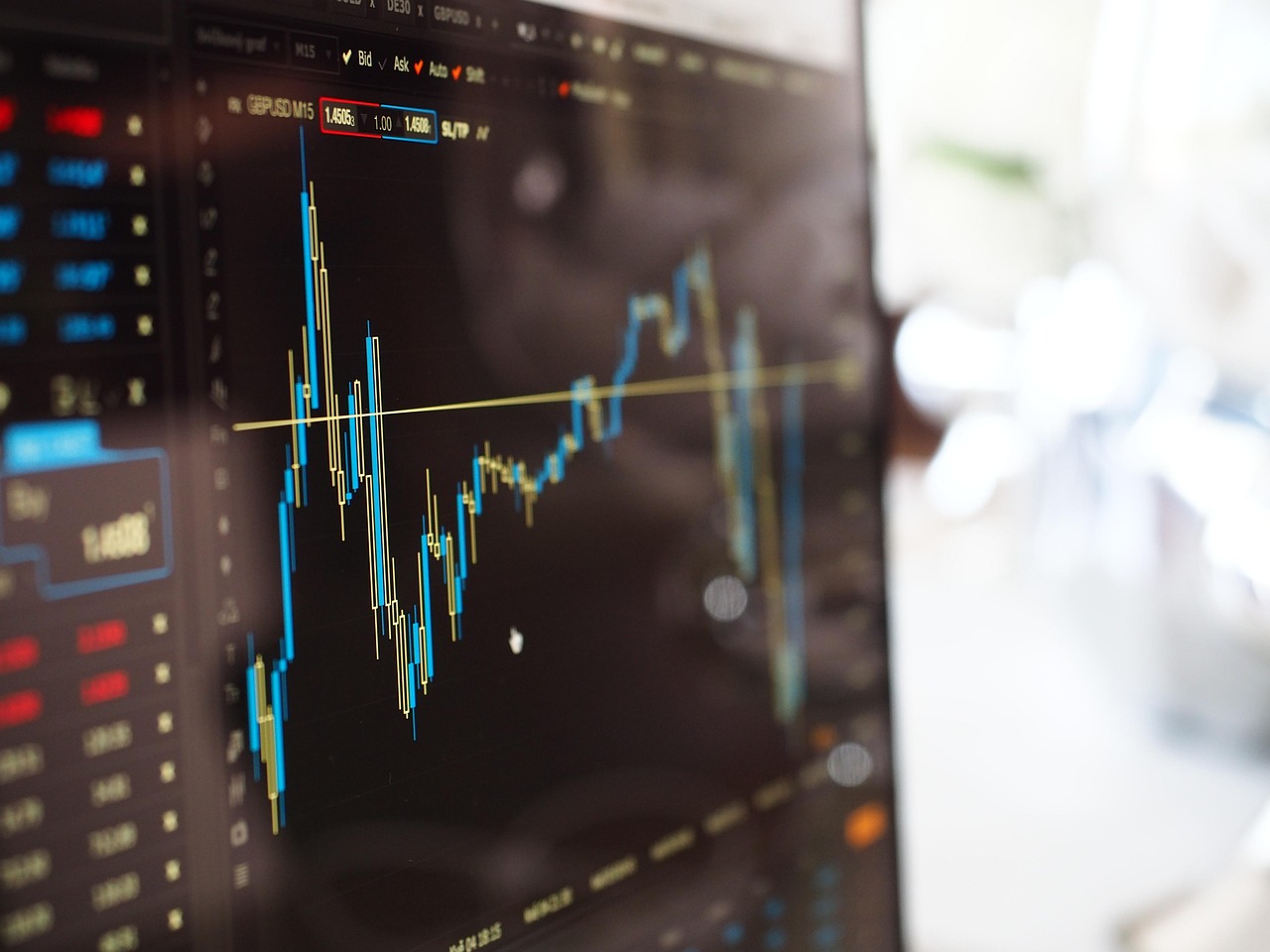
Institutional traders, commodity analysts, and active retail participants closely monitor technical behavior before entering positions tied to precious metals. Breakout confirmation, liquidity conditions, and momentum structure influence trade execution across global sessions. During active market hours, many participants rely on XAGUSD chart analysis to evaluate directional strength, identify resistance zones, and prepare for rapid price fluctuations surrounding economic events.
Why Federal Reserve Policy Impacts Silver Markets
Interest rate expectations strongly influence silver movement because precious metals do not generate yield. When central banks maintain aggressive monetary tightening, investors may rotate toward interest-bearing assets such as bonds and fixed-income securities.
Policy easing expectations can produce the opposite reaction. Lower borrowing costs and softer yield conditions often improve sentiment surrounding precious metals, particularly when inflation concerns remain elevated across global markets.
Treasury Yields and Commodity Pressure
Rising Treasury yields frequently create downward pressure across silver markets because higher yields improve the attractiveness of fixed-income instruments. Traders, therefore, compare commodity momentum alongside government bond performance before evaluating directional setups.
Yield declines, meanwhile, may strengthen precious metals sentiment as capital rotates toward defensive or inflation-sensitive assets. Short-term reactions can become particularly aggressive during Federal Reserve press conferences.
Industrial Demand and Long-Term Price Support
Silver differs from many precious metals because industrial consumption remains a major pricing driver. Electronics manufacturing, solar panel production, and renewable energy infrastructure all contribute to long-term demand conditions.
Expanding manufacturing activity often supports bullish sentiment in commodity markets. Slower industrial growth, however, can weaken broader expectations surrounding future consumption levels.
Inflation Concerns and Defensive Positioning
Persistent inflation conditions frequently increase attention toward hard assets. Traders sometimes increase exposure to silver when purchasing power concerns begin affecting broader market sentiment.
Currency Weakness and Commodity Pricing
The US dollar shares an inverse relationship with silver pricing in many trading environments. Dollar weakness can improve global commodity demand by reducing acquisition costs internationally.
Liquidity Expansion During Active Sessions
Volatility often increases sharply when institutional participation expands during overlapping market sessions. High liquidity periods generally produce stronger directional movement across precious metal markets.
Geopolitical Uncertainty and Risk Sentiment
Periods of geopolitical instability occasionally strengthen interest in defensive commodities. Precious metals may attract capital inflows when broader risk appetite weakens across global markets.
Reading Momentum Through Technical Structure
Price structure analysis helps traders evaluate how buyers and sellers behave around important trading zones. Trend channels, support regions, consolidation patterns, and breakout levels all contribute to broader commodity interpretation.
Momentum analysis becomes particularly important during volatile macroeconomic conditions because silver can react aggressively to unexpected economic developments or monetary policy shifts.
Breakout Validation and Volume Confirmation
Not every breakout produces sustained continuation. Traders often monitor volume participation before validating directional movement because false breakouts remain common during commodities trading.
Strong participation generally improves confidence surrounding price continuation. Weak volume conditions, however, may signal temporary volatility rather than genuine directional expansion.
Indicators Frequently Used in Silver Trading
Technical indicators help traders evaluate momentum strength, reversal potential, and broader market direction during active sessions.
- Moving averages for trend identification
- Relative Strength Index for momentum evaluation
- Fibonacci retracement levels for pullback analysis
- MACD indicators for directional confirmation
- Volume metrics for participation assessment
Combining multiple analytical tools often improves consistency during unstable market conditions.
Multi-Timeframe Commodity Evaluation
Professional traders rarely rely on a single timeframe when evaluating silver movement. Lower intervals may reveal immediate volatility while higher charts provide broader market context.
Reviewing several timeframes helps traders avoid short-term positioning against dominant long-term trends. Institutional participants frequently prioritize a higher timeframe structure before evaluating intraday opportunities.
Intraday Volatility Observation
Short-term charts assist active traders during periods of rapid momentum expansion. Scalpers and day traders commonly monitor minute-based structure for execution timing.
Swing Trading Market Perspective
Swing traders typically focus on four-hour and daily intervals when evaluating medium-term commodity direction tied to macroeconomic developments.
Long-Term Commodity Trend Analysis
Institutional investors frequently examine weekly pricing structure before establishing broader exposure across commodity markets.
Participation Strength Through Volume
Volume behavior often confirms whether institutional capital supports ongoing momentum. Strong participation may improve breakout reliability significantly.
Economic Releases That Trigger Silver Volatility
Macroeconomic reports frequently accelerate volatility across precious metals because traders reassess interest rate expectations immediately after new information becomes public.
Inflation reports, employment figures, GDP data, and Federal Reserve meetings often influence commodity sentiment sharply. Unexpected economic outcomes can rapidly shift broader positioning across global markets.
Risk Management During High-Volatility Sessions
Silver markets can experience aggressive directional movement during unstable trading conditions. Excessive leverage, therefore, increases exposure considerably during high-impact economic events.
Protective stops, disciplined position sizing, and predefined trade planning help reduce emotional execution during fast-moving commodity sessions. Consistency often depends more on risk control than aggressive positioning.
Real-Time Market Observation and Execution Timing
Commodity trading requires continuously updated pricing information because delayed data may weaken execution quality during volatile periods. Traders analyzing precious metals frequently monitor live movement before confirming trade setups.
Technical overlays, synchronized indicators, and real-time market depth can improve decision-making during active sessions where momentum changes rapidly. Structured observation remains essential during unstable conditions.
Final Thoughts
Could traders interpret silver volatility effectively without access to live pricing structure and advanced technical analysis tools? Commodity markets often react within seconds once macroeconomic expectations shift or Federal Reserve guidance changes direction. Many platforms provide multi-timeframe analysis, customizable indicators, live market tracking, interactive charting systems, and community-driven technical insights that support deeper commodity evaluation. For traders navigating precious metal momentum during changing economic cycles, XAGUSD chart monitoring remains a critical component of disciplined market analysis.