
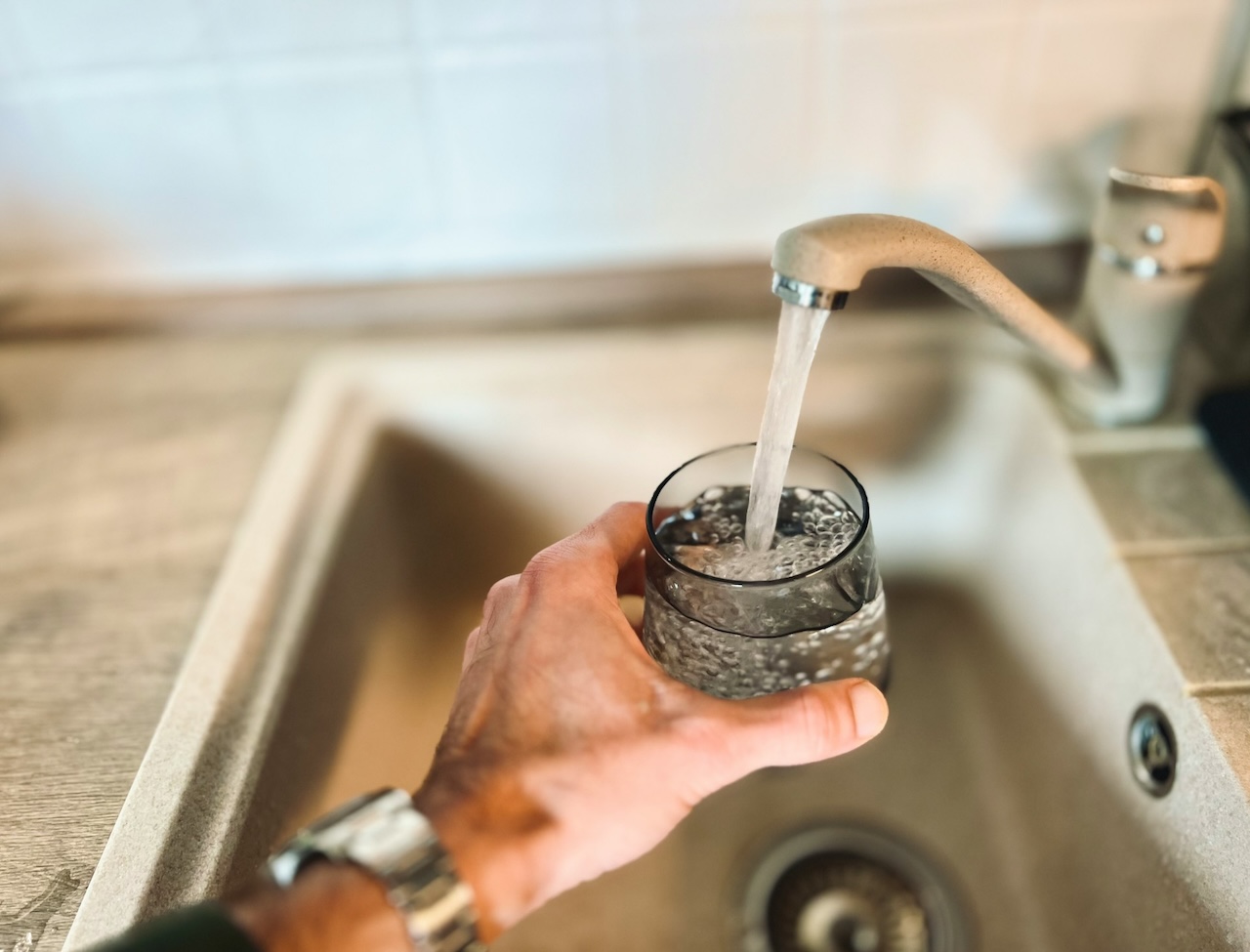
Choosing the right water softener starts with understanding how hard water affects daily use. Hardness minerals can lead to limescale buildup, higher cleaning effort, and extra strain on pipes, fittings, boilers, and water-using appliances. A suitable water softener system helps address these issues before they grow into long-term performance and maintenance problems. It also helps make the buying decision more practical, because the best option depends on real water conditions rather than product claims alone.
Why water hardness should be tested before choosing a system
Water hardness should be checked before choosing any hard water treatment solution. The level of calcium and magnesium in the water affects the type of system needed, the expected softening performance, and the size of the unit. Testing also helps avoid selecting a system that is too small, too large, or unsuited to the actual water conditions. It creates a better starting point for comparing equipment and for estimating how intensively the system will need to work every day.
The main types of water softeners and how they differ
The two main categories are salt-based and salt-free systems. A salt-based water softener removes hardness minerals through ion exchange and is the standard choice where real softening is required. A salt-free water softener works differently and is usually selected as a conditioning option rather than a full replacement for softening in more demanding conditions. The right choice depends on water quality, application, and the expected result. In homes with clear scale-related problems, this distinction can have a direct effect on long-term performance.
How to choose capacity based on household or business water usage
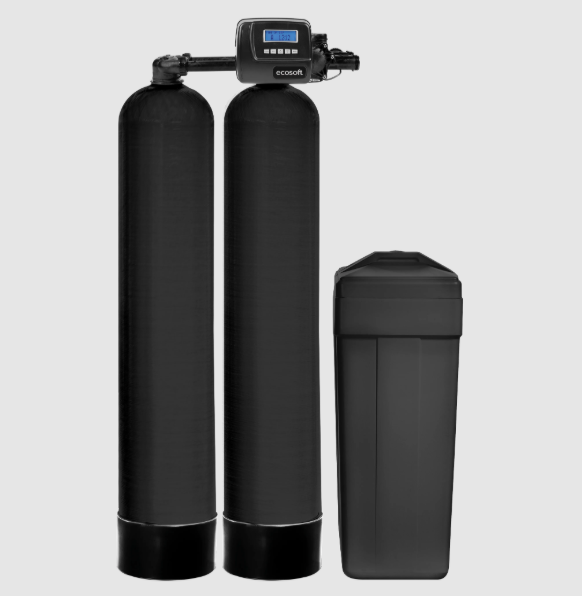
Water softener capacity should match the volume of water used each day and the number of people or points of use connected to the system. For a household water softener, this usually means aligning the unit with the size of the home and the daily pattern of water use. A commercial water softener must also account for peak demand, equipment load, and service continuity. A properly sized unit is more likely to deliver stable performance and efficient regeneration. Undersizing can lead to faster exhaustion, while oversizing may add unnecessary cost and space requirements.
Key features to compare before buying a water softener
Before buying, it helps to compare control valve quality, regeneration logic, maintenance needs, salt consumption, installation size, and overall ease of use. Long-term ownership is shaped not only by purchase price, but also by water softener maintenance, refill frequency, and how well the system fits the installation space. The best water softener is usually the one that matches actual usage, not simply the one with the biggest specification list. Reliable operation, sensible servicing intervals, and a good fit for the property are often more valuable than extra complexity.
Conclusions
The right water softener is chosen by matching water hardness, system type, capacity, and maintenance expectations to real daily demand. Testing the water first and comparing the main system features makes it easier to choose a water softener that works reliably over time. For both homes and businesses, a well-matched hard water solution offers better protection, steadier performance, and stronger long-term value.