
The economic impact of the Middle East war has begun to filter through into inflation figures with fuel prices seeing the monthly rate rise from 3 per cent to 3.3 per cent in March
Motor fuels made the largest upward contribution to the monthly change whileclothing made the largest, partially offsetting, downward contribution.
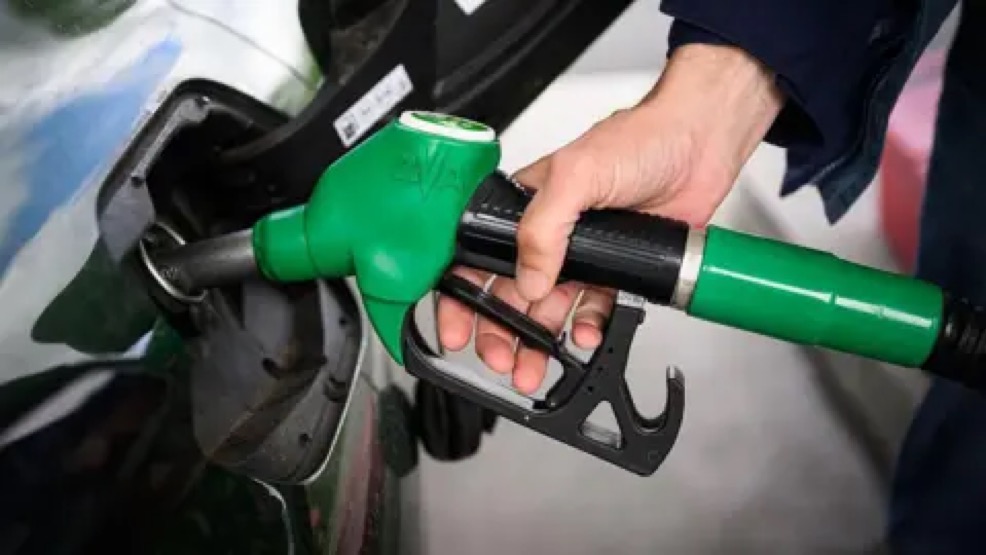
The average price of a litre of unleaded petrol increased from £1.32 in February to £1.40 in March, a rise of 6.5 per cent. The average price of a litre of unleaded petrol is currently £1.58 – a further rise of around 12 per cent compared with the March average meaning higher petrol prices will provide further upward impetus to inflation next month.
While this will be felt immediately in the pockets of motorists, these increases represent only the beginning of the likely inflationary impact of the conflict say the Resolution Foundation who say
“The two biggest items in most household budgets – food and energy – are yet to feel the full effect of a global surge in energy costs. Food prices typically take around 12 months to adjust to shifts in global commodity costs, while domestic energy bills will only move once Ofgem resets the price cap in July, and again in October.”