
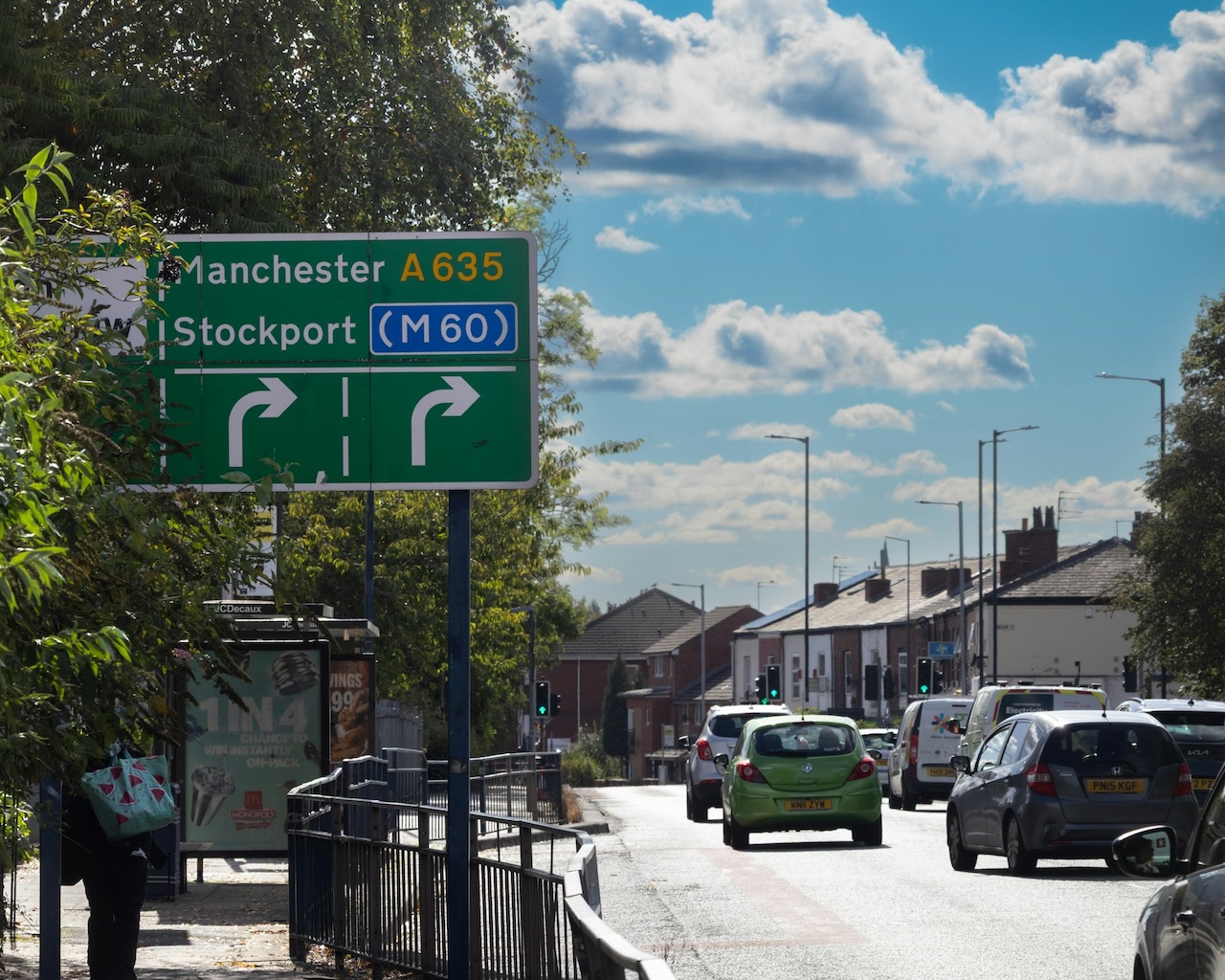
Stockport is changing quickly. New transport links, town-centre regeneration, housing developments and business investment are all combining to reshape the borough in ways that would have been almost unthinkable 10 or 20 years ago. The transformation has brought a new vitality and a sense of optimism to an area so long overshadowed by central Manchester.
But growth creates tension too. For many residents, the question is not so much whether Stockport should develop as how it is to do so without losing the character that makes the town distinct in the first place. The challenge facing local planners, developers and communities is finding a balance between modern infrastructure and conservation.
A town in transition
In many ways, Stockport serves as a poster child for the Greater Manchester region’s wider transformation. Improved rail connectivity, investment in public spaces and ambitious regeneration projects have all helped reposition the town as an attractive place to live and work. The appeal is obvious. Stockport offers Victorian architecture, independent businesses, access to green space and strong transport connections into Manchester city centre.
As housing pressure continues across Greater Manchester, demand for homes in well-connected towns like Stockport has only intensified. That demand, however, brings practical consequences. More residents means greater pressure on roads, utilities, schools, drainage systems and public services. Older buildings often need upgrading to meet modern standards and expectations in terms of energy efficiency, safety and accessibility.
The hidden infrastructure behind growth
When people think about infrastructure, they naturally picture major transport projects or new apartment blocks. In reality, growth depends on thousands of smaller upgrades taking place across homes, businesses and public buildings.
Electrical systems are a good example. Older properties in Stockport were built long before modern energy demands, electric vehicle charging or contemporary safety standards existed. As buildings are refurbished or repurposed, upgrading electrical infrastructure becomes essential. That work relies on skilled local tradespeople. As regeneration accelerates across the region, demand for qualified electricians in Manchester continues to grow, particularly for projects involving older properties that need careful modernisation without compromising their character.
This is where the growth-versus-conservation debate becomes more nuanced. Preserving heritage buildings does not mean freezing them in time. Many historic structures can remain viable and useful only if they are sensitively adapted for modern life.
Why conservation still matters
Stockport’s identity is tied to its built environment. The Underbanks, the market area, historic mills and Victorian terraces all contribute to a sense of place that newer developments alone cannot replicate. Historic buildings also carry economic value. Attractive heritage areas draw visitors, support independent businesses and make towns more desirable places to live. Cities across the UK have learned that regeneration works best when it builds on local identity rather than erasing it.
Organisations such as Historic England have long argued that heritage-led regeneration can support economic growth while preserving cultural character. The challenge is ensuring conservation is treated as part of development strategy, not an obstacle to it.
In practical terms, that means asking better questions before redevelopment begins:
- Can an existing building be adapted rather than demolished?
- Will new developments complement the surrounding streetscape?
- Are infrastructure upgrades being designed with long-term sustainability in mind?
- How can modern standards be introduced without stripping away architectural character?
These are not always easy questions, especially when budgets and housing targets are involved. But they matter because once heritage is lost, it is rarely recovered.
The pressure of modern demands
At the same time, nostalgia alone cannot solve present-day problems. Stockport needs housing. It needs efficient transport. It needs buildings that are safe, accessible and energy efficient. Older properties can present real challenges in terms of poor insulation, outdated wiring, limited accessibility, high maintenance costs, inefficient heating systems and structural deterioration. Ignoring these issues in the name of preservation can leave buildings underused or financially unsustainable.
This is why the conversation should not be framed as “development versus heritage.” The more useful distinction is between thoughtful development and careless development. Thoughtful development accepts that towns evolve. It also recognises that local character is an asset worth protecting.
A more balanced approach
That all sounds great in theory, but what might balance look like in practice? First, infrastructure investment should prioritise long-term resilience. That means upgrading utilities, transport links and public spaces in ways that support future growth rather than simply reacting to current demand.
Second, conservation should focus on preserving what gives Stockport its identity, for example its key historic buildings, distinctive streetscapes and those indefinable features that make its neighbourhoods feel recognisably Stockport.
Third, refurbishment should be encouraged where viable. Retrofitting existing buildings is often more sustainable than demolition and rebuild, and it can help retain the character that attracts people to the area in the first place.
Finally, local communities need a meaningful voice in the process. Residents are often the people most invested in preserving the qualities that make a place feel like home.
The future of Stockport
Stockport’s future will not be decided by any one development or planning application, however significant it might look. Instead, it will emerge from hundreds of decisions about housing, infrastructure, heritage and investment over the coming years.
The town is at an exciting crossroads. There is a real opportunity to become a model for balanced regeneration by embracing growth without losing its identity and becoming interchangeable with every other rapidly developing urban area.
That requires patience, planning and a willingness to see conservation as a key part of regeneration. Get that right and we can build a place that people will still value for generations to come.