
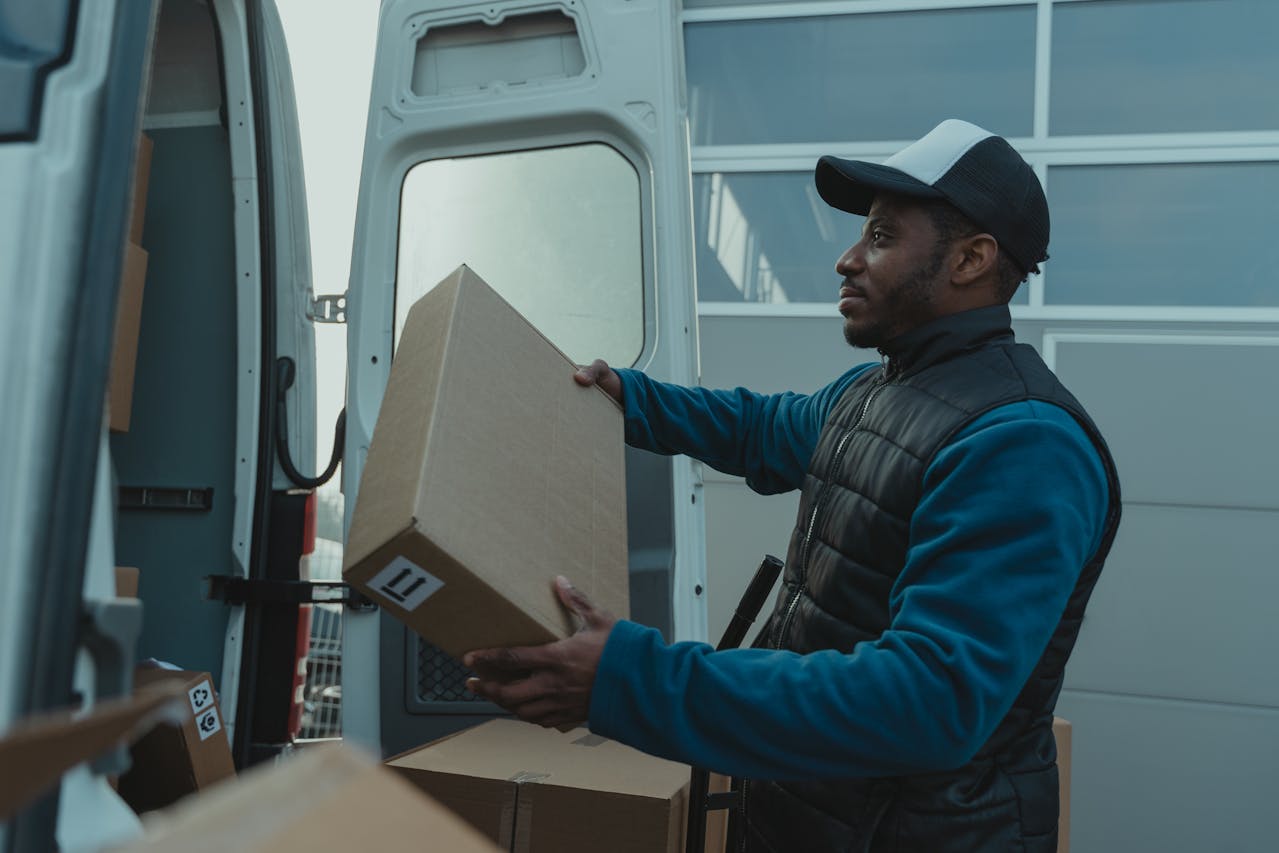
Delivering for Amazon has become a popular way for people across the UK to earn extra income on their own schedule. Whether you’re thinking about joining Amazon Flex or working as a contracted courier, the idea of turning your car or van into a flexible earning tool can be appealing. But before you get started, it’s worth taking a moment to understand what the job is really like and what you need in place to do it safely and legally.
Make sure your insurance is correct
It surprises a lot of new drivers to learn that your normal car or van policy won’t cover you when you’re delivering parcels for money. In fact, courier insurance is needed for delivering parcels for income, and Amazon requires it before you can begin any delivery work. This type of cover protects you when you’re carrying goods for payment, something standard social, domestic and pleasure insurance doesn’t include.
If you’re using your vehicle as part of your job, it becomes a workplace — and your insurance needs to reflect that. It’s always worth double-checking that you have the right hire-and-reward cover, because if anything happens on the road without it, your personal policy won’t help you. Many drivers only discover this after an accident, which is the worst possible time to find out.
Make sure your vehicle is genuinely suitable
Amazon doesn’t require anything fancy, but your vehicle does need to be reliable, safe and sensible for the amount of driving you’ll be doing. For Amazon Flex, most people use a 4-door car, small van, or sometimes a larger van if they’re picking up bulkier parcels. What really matters is that it’s in good working order: tyres properly inflated, lights working, MOT up-to-date, and nothing that’s likely to break halfway through a long route.
It’s also worth thinking about practicality. A car might handle shorter blocks just fine, but if you’re planning to deliver regularly, a small or medium-sized van can make the job much easier. Even things like having enough boot space, doors that open fully, or seats that fold down smoothly can make a huge difference when you’re loading dozens of parcels in one go.
Understand how Flex blocks and earnings really work
One of the biggest appeals of delivering for Amazon is the flexibility. Instead of working fixed shifts, you choose delivery “blocks” through the app — usually two to four hours long. But availability can vary wildly. Some days the app is packed with blocks; other days you’ll check repeatedly and find nothing.
Earnings can feel the same way. Some people manage to piece together full-time weeks, while others rely on Amazon Flex as a top-up rather than a main income. It’s important to go in with realistic expectations. The money can be good, but it’s not guaranteed, and you’re responsible for your own costs: fuel, maintenance, tyres, and all the wear that comes from driving hundreds of miles a week.
Be ready for the physical side of the job
At first glance, you might think delivering parcels is mostly driving. In reality, a big chunk of your time is spent hopping in and out of your vehicle, carrying boxes, climbing stairwells in flats, and trying to track down front doors that don’t seem to exist on any map. It can be rewarding and strangely addictive once you get into the flow, but it is also physical work.
Even on shorter routes, you’ll find yourself constantly bending, lifting, and stretching. On longer routes, especially during busy periods like Christmas, it can feel like a workout in its own right. It’s important to be honest with yourself about your fitness level and how much time you want to spend on your feet.
Navigation skills are more important than you think
The Amazon Flex app provides a route for you, but it isn’t perfect. Sometimes it sends you down unnecessarily long roads or misses shortcuts you know by heart. Rural routes can be especially confusing, and even well-mapped city streets can become stressful when the sat-nav wants you to turn into a road that’s actually a footpath.
Being able to stay calm, adapt quickly, and correct the route when the app gets confused will make the job much smoother. A good sense of direction — or at least a willingness to learn new areas — goes a long way.
Keep customers in mind
Amazon customers are used to fast delivery and accurate tracking. That means you’ll be expected to follow instructions carefully, take a clear photo of each drop-off, and find safe places to leave parcels when customers aren’t home. Little things like placing a parcel somewhere dry, knocking politely, or making sure it isn’t visible from the street can make a big difference. It also helps protect your own rating as a courier, which Amazon uses when assigning work.
Think about your safety and wellbeing
The final thing to consider is your own safety. Long hours on the road can be tiring. Driving while stressed or rushed is never worth it, no matter how many parcels are left in the boot. Take breaks when you need them, drink water throughout the day, and give yourself permission to slow down if the weather turns bad or you’re feeling overwhelmed.
Delivering for Amazon can be a great way to earn extra money, meet people, and enjoy a job that gets you out and about. But like any driving role, it requires preparation, the right insurance, and a good understanding of what the work actually involves. With the right setup and realistic expectations, it can be a genuinely enjoyable experience — and a flexible way to boost your income.