
Manchester’s art collectives are reaching beyond familiar streets. Digital platforms, streamed events and online exhibitions take the region’s creativity across continents. The city’s art scene is now present on screens as much as in physical spaces.
In a rapidly shifting digital landscape, new ways of engaging audiences continue to emerge across the UK. The same appetite for innovation is reshaping other sectors, with online platforms changing how people discover and enjoy experiences. From virtual gallery tours to live-streamed theatre performances, digital channels are opening doors to audiences far beyond their local reach. Music festivals now stream headline acts to viewers around the world, while interactive platforms allow people to take part in events without leaving home.
The same technology is driving growth in areas as varied as virtual learning, e-commerce, and online casinos in the UK.
This shift towards immersive digital experiences has influenced how cultural projects are conceived and delivered. Creative collaborations now often blend physical spaces with interactive technology to broaden their reach. One of the most notable examples of this approach can be seen in Manchester’s own Virtual Factory project.
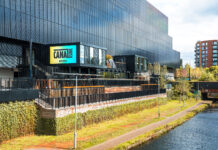
Virtual Factory, launched in 2020 as part of the Manchester International Festival, offered a digital reimagining of The Factory before the physical venue opened. An avatar artist built a version inside Fortnite Creative, reimagining the space and inviting audiences anywhere to explore virtually. It opened Manchester’s cultural home to a global audience through the lens of gaming architecture.
Elsewhere, Modal – the digital art space at Manchester Metropolitan University – stages immersive exhibitions three times a year. LED displays and immersive installations showcase local and international digital art. The virtual format attracts attention from audiences far beyond Manchester.
Across the city’s museums and galleries, digital reach is expanding. Manchester’s major galleries and museums are increasingly making their collections available online, expanding access to art worldwide. Live streaming has become a regular feature too. Exhibitions at Manchester Art Gallery and the Whitworth now include real-time broadcasts, placing viewers in the gallery wherever they are.
Artists, theatre companies and other cultural organisations across Greater Manchester have developed new ways to connect with audiences, blending physical events with online platforms to extend their reach. These collaborative efforts demonstrate the resilience and innovation of the region’s independent arts community, showing a readiness to adapt and explore fresh approaches to presentation.
Manchester’s independent art scene remains vibrant, finding fresh ways to present itself. The Loiterers Resistance Movement, with its roots in psychogeography, took its shared walks into virtual space during the pandemic. Gatherings once shaped by the city’s streets and hidden corners began unfolding on screens instead.
Festivals, community venues and online platforms have become meeting points where experimental artists bring their ideas together. Sounds from the Other City, the annual celebration of DIY art, music and performance, carries that collaborative energy into the digital realm, taking Manchester’s alternative culture to audiences far beyond the city.
Large festivals amplify the effect. The Manchester International Festival pairs artists with sport, bringing local inspiration to live shows and film before sharing them online. One recent project paired a former footballer with a contemporary artist in a spotlight installation that loops globally. Indigenous stories, queer Pacific identity and community memories also appear in streamed exhibitions and digital films. International interest is increasingly focused on Manchester’s creative output.
The city’s creative ecosystem now balances physical venues with code, pixels and streams. Galleries, universities, collectives, even the streets converge online. Manchester’s cultural reach now extends to major cities worldwide, from London and New York to Shanghai.
A region known for its craft is now firmly part of the digital space. Digital platforms have become canvases. Live performance has become a shared moment. The North flexes its creative wings, and the world leans in to listen.