
Manchester Airport has welcomed new funding from The Department for Transport towards the development and production of Sustainable Aviation Fuels (SAF) at its fuel facility.
Aviation Minister and Wythenshawe MP Mike Kane has announced 17 projects across the country will share £63m to accelerate SAF production, which will support up to 1,400 jobs.
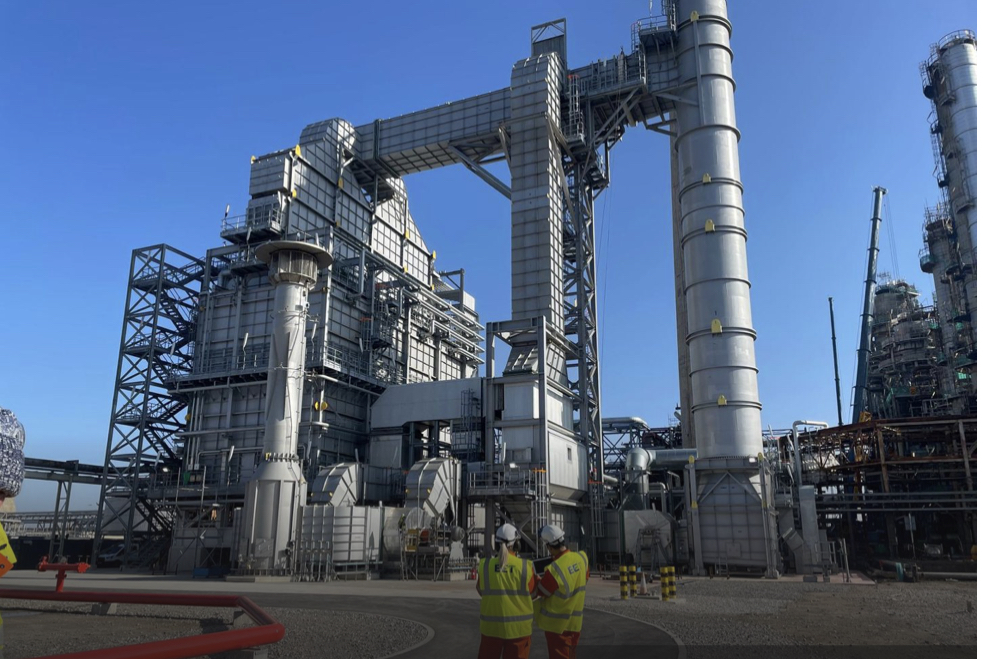
Essar and NorthPointe Energy – who are both developing plans for SAF production facilities at Stanlow in the North West – were collectively awarded £4.5m of funding.
This will enable SAF production at the Stanlow site – which already has an existing pipeline supplying aviation fuel to Manchester Airport – and aid the development of domestic SAF industry in the UK.
Manchester Airport has a target to make its own operations net zero by 2038 and is working collaboratively with its airlines to facilitate the use of SAF. In its Sustainability Strategy ‘Creating s sustainable future for all’, published in May 2025, MAG – Manchester Airport’s parent company – also set a target to reduce the emissions intensity of flights from its airports by 27% per revenue tonne kilometre for aircraft departing MAG airports between 2019 and 2035.
Together with the UK’s SAF mandate and Revenue Certainty Mechanism, today’s funding announcement helps to deliver the UK aviation industry’s plan to achieve net zero carbon by 2050, as well as creating thousands of new green jobs across the country.
Manchester Airport Managing Director Chris Woodroofe said:
“We are pleased to see that Essar and NorthPointe Energy have been awarded £4.5m by the Department for Transport to support the production of Sustainable Aviation Fuel (SAF) in the North West.
“This funding will mean airlines using Manchester Airport will have direct access to SAF via the existing pipeline from the Stanlow production site.
“We are delighted that our region is playing a leading role in the creation of a domestic SAF industry, which will support the creation of thousands of new green jobs and help the UK aviation industry reach net zero by 2050.”