A Hyde GP surgery has identified new cases of diabetes, high blood pressure and other early-stage conditions after delivering a week-long community health campaign designed to reach patients beyond traditional appointment settings.
The Brooke Surgery carried out more than 1,000 health checks and interventions between 2nd and 8th March using a pop-up health bus by PocDoc stationed outside the practice, with a focus on improving access for local residents, including those working shifts or unable to attend routine GP appointments.
In total, 1002 patients were seen across the week, with on-the-day testing and digital monitoring used to assess cardiovascular risk and identify underlying conditions earlier.This included over 300 blood tests carried out on site, alongside more than 200 ambulatory blood pressure monitors issued to patients, allowing clinicians to track readings over a longer period outside of a clinical setting.
The campaign has been a great success at a local level and led to:
15 new cases of hypertension
5 new diagnoses of diabetes
20 patients identified with pre-diabetes
15 abnormal thyroid results requiring follow-up
Over 100 patients flagged for high cardiovascular risk
Alongside diagnosis, the week also focused on early intervention and prevention, with patients supported through medication reviews, lifestyle assessments and targeted advice based on their results, as well as wider wellbeing conversations delivered in partnership with Know U Wellbeing.
More than 25 patients were started on statins following risk assessment, while smoking and alcohol screenings were carried out at scale to support longer-term behaviour change. Vaccination uptake also formed part of the campaign, with over 150 vaccines delivered, including MMR, shingles and pneumococcal, helping to protect more vulnerable patients within the local population.
The approach reflects growing use of community based health technology within primary care, combining on site testing with take home monitoring to build a clearer and more accurate picture of patient health beyond a single GP appointment.
For areas like Tameside, where heart disease rates remain above the national average, this kind of early, data led intervention is seen as key to reducing long term pressure on NHS services and improving outcomes across Greater Manchester.
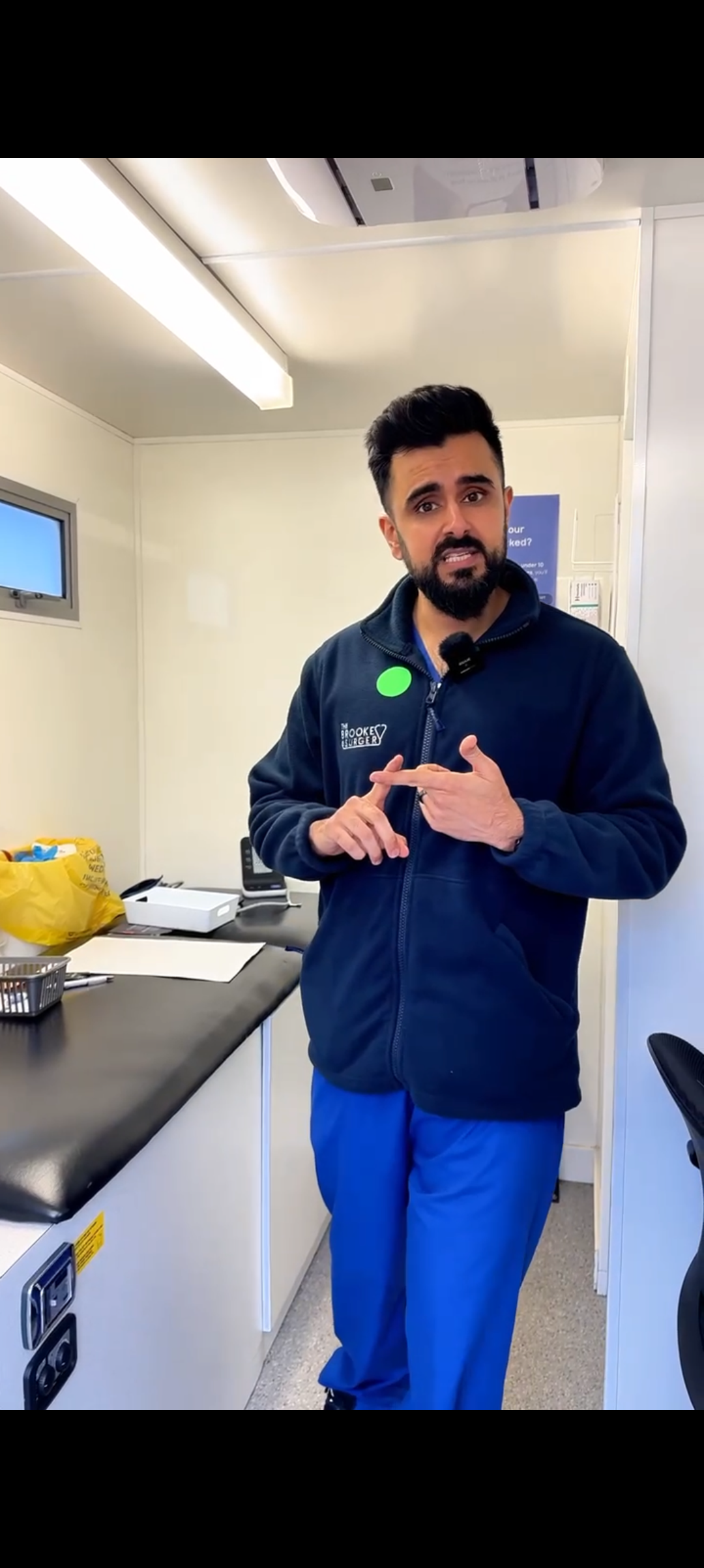
Dr Nabeel Arshad, GP at The Brooke Surgery, said: “What this week has shown very clearly is just how many people were walking around with risk factors or early-stage conditions without realising it. We picked up high blood pressure, early diabetes, things that often don’t cause obvious symptoms but can have serious consequences if they’re missed.
“A lot of the conversations we had were with people who felt completely well, which is exactly the challenge. These conditions don’t always come with warning signs, so without this kind of proactive testing, they can go unnoticed for years.”
He added: “For many patients, it’s not about reluctance, it’s about access. If you’re working shifts or juggling a busy routine, it’s easy to put a GP appointment off. Bringing this into the community makes it much more straightforward.
“Using things like ambulatory blood pressure monitors also gives us a much more realistic picture of what’s going on day-to-day, rather than relying on a single reading in clinic. That’s made a real difference in terms of identifying people who need follow-up and getting support in place earlier.”
Kirsty Wiseman, wellbeing practitioner and founder at Know U Wellbeing, said: “What really stood out was how many people had been putting their health on hold, often for years, and didn’t feel confident understanding their results. Once they had the space, conversations quickly opened up around stress, menopause and low mood, things they hadn’t raised before.
“We also saw how important that direct link back into the GP was. In some cases, people with very high blood pressure were able to be seen the same day. It shows the value of taking healthcare into the community and making support feel accessible rather than something people have to navigate alone.”
The campaign builds on ongoing concerns around local health inequalities, with Tameside continuing to record higher than average rates of cardiovascular disease and associated risk factors. By taking services directly into the community, the surgery aimed to remove practical barriers to care while encouraging earlier engagement with preventative health support.
Following the success of the pilot, The Brooke Surgery is now exploring how similar models could be used in future to continue reaching patients across the area and to open up more support outside of surgery opening hours.