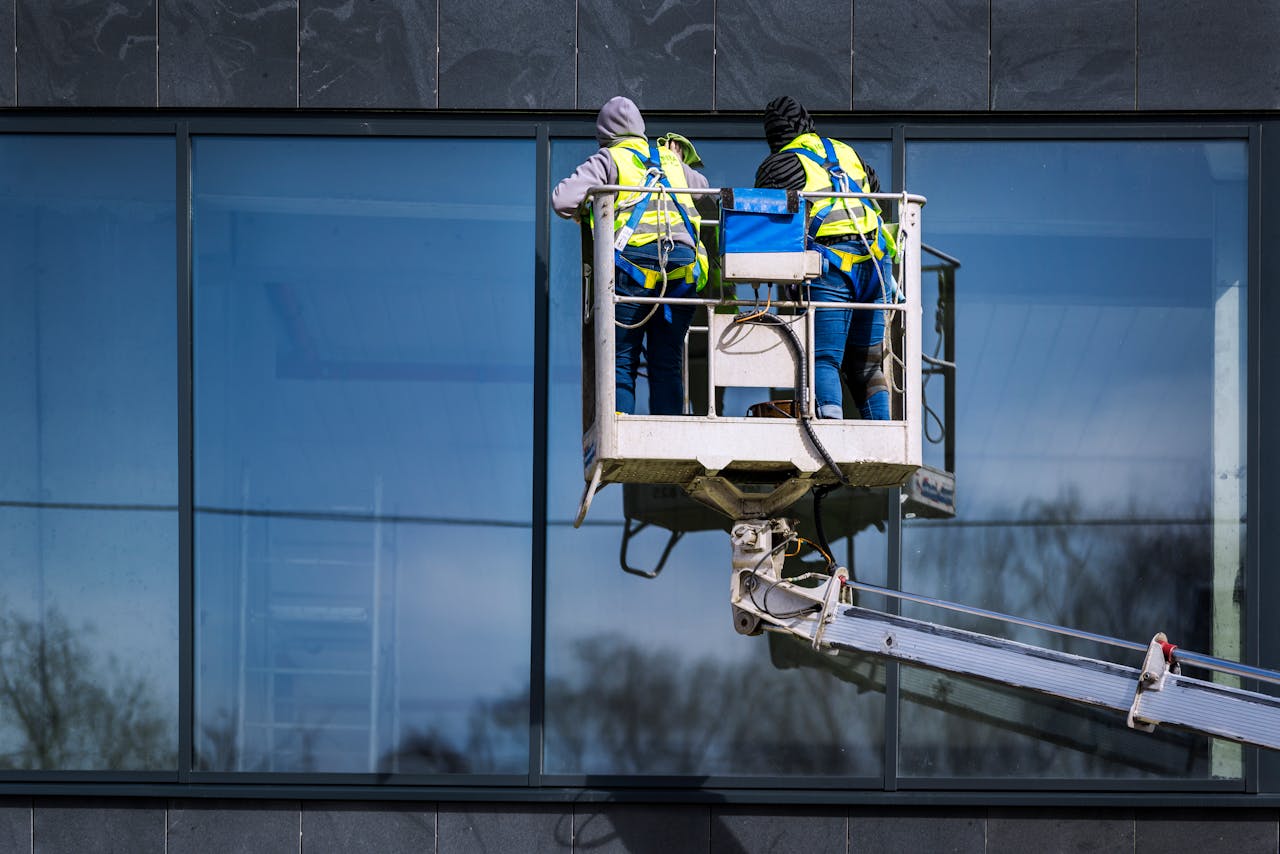
Every year, mobile elevating work platforms (MEWPs), forklifts, and other access equipment are involved in thousands of preventable workplace incidents. While regulatory frameworks and certification schemes exist, misuse remains stubbornly common, often stemming from overlooked training needs, skipped inspections, or complacency during operation.
Despite best intentions, these mistakes can result in serious injury, costly downtime, and regulatory breaches. They’re not always dramatic, but they’re almost always avoidable.
“Access equipment is safer and more reliable than ever, but that only counts when it’s used properly. Time and again, our training and servicing teams spot the same recurring issues, many of which come down to lack of awareness, not lack of care,” says Andy Bray, Managing Director at Access Platform Sales. “Whether you’re a site manager or an individual operator, understanding these hidden dangers can make all the difference.”
In this guide, we break down the most common operator misuses based on real-world service trends, training feedback, and publicly available safety data.
1. Inadequate Training & Model‑Specific Knowledge
While general certifications such as IPAF or OSHA training are a legal requirement, they rarely address the nuances of specific machine models. Operators often miss crucial knowledge around individual control layouts, platform stability, and emergency lowering systems, leading to preventable incidents.
Operators frequently go years without refresher training, especially when moving to new or upgraded MEWPs. This significantly increases risk, as even experienced users may be unfamiliar with updated controls, safety interlocks, or stability limits. Without machine-specific instruction, small errors can lead to serious incidents, particularly in high-risk environments.
2. Skipping Pre‑Use Inspections
Many incidents arise from equipment being used without a proper daily check. Commonly overlooked issues include unresponsive controls, damaged guardrails, low hydraulic fluid, and worn tyres, any of which can lead to malfunction mid-operation. A thorough inspection routine is essential and legally advised before every shift.
3. Environmental Hazards: Ignoring the Surroundings
Temporary worksites are dynamic by nature; what was safe in the morning might not be safe by the afternoon.
- Unstable or soft ground can cause scissor lifts or boom lifts to become unbalanced, especially on uneven, sloped, or waterlogged terrain. Without proper ground assessments or the use of spreader plates, this can lead to tipping incidents.
- Unmarked or overlooked hazards, such as overhead power lines, low ceilings, protruding steelwork, or tight access routes, greatly increase the risk of collisions, snags, or dropped materials.
- Operating near the public or other workers at lower levels without clearly defined exclusion zones poses a serious risk. Tools, debris, or even platform contents can fall from height, resulting in injury or litigation.
Regular, formal site assessments and clear communication with ground teams are essential before and during operation.
4. Control Tampering & Overreach
Some operators disable alarms, tilt sensors, or speed restrictors in an attempt to save time, jeopardising their safety. Overreaching from the platform or standing on mid-rails to extend working height can also destabilise the unit or result in a fall from height.
5. Misuse of MEWP as Lease Cranes
Mobile Elevating Work Platforms are designed to lift people, not payloads. Yet it’s still common to see operators using them to hang signage, move ducting, or lift heavy tools and materials externally. This kind of misuse places uneven or excessive stress on the platform, compromising its structural integrity and increasing the risk of tip-over or mechanical failure.
Unlike cranes or hoists, MEWPs are not engineered for lateral or suspended loads, and using them this way can overload hydraulic systems, affect balance, and bypass built-in safety limits. Even small additions like hanging tools over guardrails can shift the platform’s centre of gravity and put both the operator and bystanders at risk.
6. Improper Entry & Exit at Height
Exiting a raised platform without proper precautions is a leading fall risk. All entries and exits should be done with the platform lowered unless explicitly authorised for emergency access. Operators should maintain three points of contact and never jump from the platform.
7. Forklift & Material Handling Misuses
Material Handling Equipment (MHE), including forklifts, is frequently misused in ways that compromise operator and pedestrian safety:
- Overloading and tip-overs account for 42% of forklift-related injuries.
- Turning too quickly or at speed with unbalanced loads increases rollover risk.
- Poor visibility and distracted driving, including mobile phone use, are major contributors to pedestrian collisions, which make up roughly 20% of all incidents.
- Lack of pre-shift checks allows worn forks, loose chains, or faulty brakes to go unnoticed until they fail under load.
8. Ergonomic & Manual Handling Strains
Over 500,000 musculoskeletal disorders are recorded annually in the U.S. due to improper manual handling, mostly affecting backs, shoulders, and necks. Common errors include:
- Lifting outside the “power zone” (i.e., not between mid-thigh and chest height)
- Twisting while lifting
- Carrying loads too far without assistance or aids
Recommendations to Avoid These Hidden Dangers
Model‑Specific & Ongoing Training
Combine certification with hands-on instruction for each device. Require periodic refreshers, at least annually or when introducing new models.
Rigorous Pre‑Use & Shift‑Start Checklists
Inspect controls, hydraulics, safety interlocks, tires, and entry points. For MEWPs, include guardrails, gate latches, and zone markings.
Site Risk Assessments & Environmental Control
Document hazards like overhead lines, slopes, traffic, wind, and weather. Create exclusion zones and use signalers where needed.
Never Override Safety Systems
Let built-in limits and interlocks remain functional. Train operators on the purpose of each control, don’t let them bypass them.
Proper Use of Safeguards
Maintain three-point contact for entry/exit. Always close gates; never stand on guardrails or climb out at height.
Use Equipment for Intended Tasks Only
Use cranes for heavy external loads, MEWPs only for personnel and tools. Follow the manufacturer’s load/regulation limits meticulously.
Promote Safe MHE Operation
- Train operators on load handling, balance, and cornering.
- Ban multitasking with controls engaged.
- Enforce speed limits, pedestrian awareness, and regular machine checks.
Implement Ergonomics Best Practice
Encourage proper lifting: use the legs, not back; avoid twisting; team-lift heavy loads; invest in lifting aids like pallet jacks or scissor tables.
Why This Matters: Safety Gains & Cost Savings
Health and safety standards remain a critical concern across the industry, especially as firms aim to align with best practices and regulatory compliance. Recent findings from The Canary’s 2025 report highlight the UK’s safest construction companies, providing valuable insights into how leading firms are prioritising workforce wellbeing and site safety. It’s a timely reminder that safety excellence is not just a regulatory obligation but a competitive differentiator in today’s construction landscape.
The consequences of misusing access and handling equipment go far beyond minor infractions; they result in serious human and financial costs. Forklift-related accidents alone cause approximately 87 deaths and over 7,500 injuries each year in the US.
A staggering 42% of those injuries are linked to tip-over incidents, many of which could have been prevented through proper training, ground assessment, and equipment use. Tip-overs not only endanger lives but often lead to equipment damage, legal claims, and costly delays on-site.
Meanwhile, musculoskeletal disorders (MSDs), often caused by poor manual handling practices, are among the most common reasons for lost working days across construction and warehousing. Back, shoulder, and neck injuries frequently require long recovery periods, and the financial burden from sickness absence, compensation claims, and reduced productivity adds up quickly.
Addressing these issues through proactive training, safe working practices, and regular maintenance isn’t just good compliance, it’s good business. A safer workforce means fewer disruptions, stronger morale, and measurable long-term savings.
Take Action: Improve Safety on Your Site Today
Identifying these common misuses is only the first step; addressing them requires expert guidance, hands-on training, and proper equipment care.
Access Platform Sales (APS) provides accredited operator training, LOLER inspections, and servicing to help reduce risk, improve safety compliance, and keep your operations running smoothly.