
Greater Manchester is investing £4.8m of funding to help older people live well in their communities.
The pioneering Live Well in Later Life programme strengthens support for older people near to where they live, an approach that is already having a positive impact across the city region.
The latest funding boost of just under £5m will be used to strengthen the scheme’s positive work over the next three years.
An initial £1.9m of external funding has been topped up by £2.9m of local contributions, bringing the total investment to £4.8m.
Live Well in Later Life builds on the success of Greater Manchester’s Ageing in Place Pathfinder programme which trialled new ways of supporting older people in their communities between 2022 and 2025 to build age-friendly spaces where people can thrive.
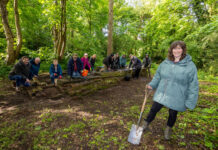
Some of the solutions put forward include the creation of green spaces like allotments and gardens, walking groups and improved local walking routes, and a local community events calendar with activities like exercise and dance classes, day trips to nearby cities and information drop-in services.
The programme is part of Greater Manchester’s wider Live Well ambition to ensure everyone has access to great everyday support in their neighbourhood and supports the city region’s commitment to being an age-friendly city region recognised by the World Health Organisation.
Over the past three years, the Pathfinder worked in ten neighbourhoods across Greater Manchester where older people were more likely to experience social isolation and loneliness, poor health or financial pressures.
Reaching more than 3,000 residents aged 50 and over and supporting 140 local projects and activities, residents took on leadership roles and shaped priorities for their neighbourhoods.
Through these same resident-led partnerships, Live Well in Later Life continues this approach to ensure older people are at the centre of decisions about their communities and remain active, engaged and connected in these communities.
Local organisations work alongside older residents to identify what matters most to them and agree practical actions to improve quality of life. This includes developing local activities, strengthening access to advice and services, improving shared spaces and building stronger neighbourhood connections.