It may be difficult to picture today but the North Manchester suburb of Blackley was largely rural in character until the 1930’s
Its name literally means the clearing in the dark wood, and was part of an area of deciduous woodland which once surounded the then twon of Manchester to its north.
Indeed various documents of the 12-13th century give credence to the fact that this area was extensively wooded,no more than Thomas Grelle’s charter to the borough which gives liberty to the burgesses of nourishing swine of their own breeding in the woods of The Lord
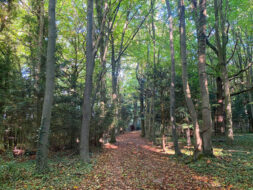
In a survey in 1322 it is described thus:
“The park of Blakelegh is worth in pannage,aery of eagles,herons and hawks honey bees,mineral earths,ashes and other issues 53 shillings and fourpence
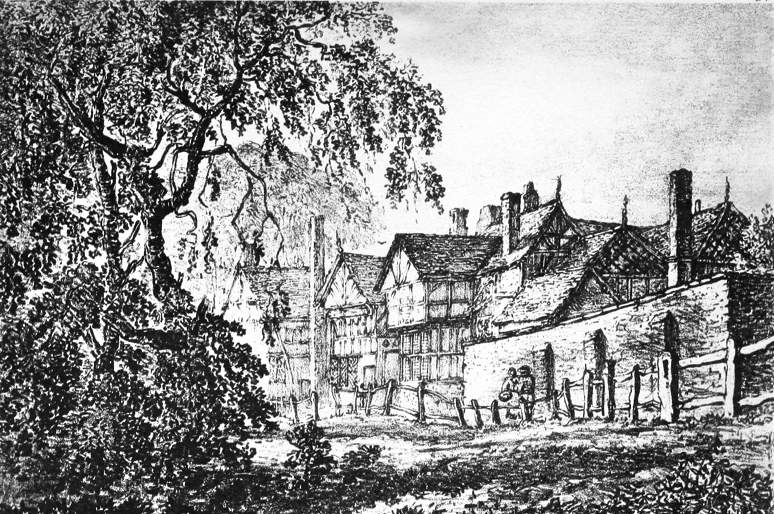
Blackley Hall was built in the early years of the reign of Henry VIII at the beginning of the 16th Century
Desciptions of the time stated that:
“The Hall was a spacious black and white half-timbered mansion in the post and petrel style. It was a structure of considerable antiquity and consisted of a centre and two projecting wings, an arrangement frequently met in the more ancient manor houses of this county, and bore evidence of having been erected at two distinct periods. The older portion was constructed of timber and plaster, gabled and originally protected by a bargeboard with ornamental hip knob.
The other wing erected probably about the end of the sixteenth or the beginning of the seventeenth century was of brick, with quoins and dressings of stone. The windows were all square headed, chiefly of three lights, divided by mullions, and having the addition of a label or weather table.”
It was situated about 150 yards from the junction of the Manchester and the Rochdale road, with the road that leads to Blackley Church and what was formerly a part of the old road from Middleton to Manchester.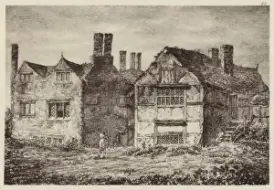
We know that in 1636 the hall was sold to Francis Leigh of Lyme for £2,000. It would remain in the Leigh family until 1814 but they would live there only until the end of the 17th century after which it would be occupied by a series of tenants and sub- tenants
Around 1760 a schoolmaster named Nicolson rented a large room in Blackley Hall from the Scholes family and kept a school for 150 pupils. Nicholson was the first person to report seeing a ‘boggart’ (ghost) in the Hall.
This ghost was reputed to be the wife of ‘Old Shay’, a tenant of the hall in the early 18th century, who, if rumours were correct, had been murdered in the Hall and walked the deserted rooms at night accompanied by a black dog “making unearthly noises in the dead of night, and taking liberties with the crockery ware and doors of the rooms.”
 Its demise came in 1815-Bought by William Grant of Ramsbottom he demolished the Hall.
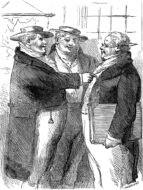
Grant and his brother Charles were said to have been Dicken’s model for the Cheeryble brothers of Nickola Nickelby.They built a printworks in its place which at its height employed around 200 people but it closed in 1839.