A major study by researchers at The University of Manchester has found that transforming a neglected park in West Gorton led to lasting increases in walking, social interaction and time spent outdoors.
Known locally as “Sponge Park” because of its flood-prevention design, West Gorton Community Park has become a symbol of the wider regeneration of the area.
The study tracked changes in how people used West Gorton Community Park over a seven year period in one of Manchester’s most deprived neighbourhoods.
West Gorton was once known for the kind of urban deprivation depicted in Channel 4’s Shameless, which filmed in the area and became synonymous with life on struggling northern estates. Researchers say the transformation of the local park shows how investment in green spaces can help reshape communities over time.
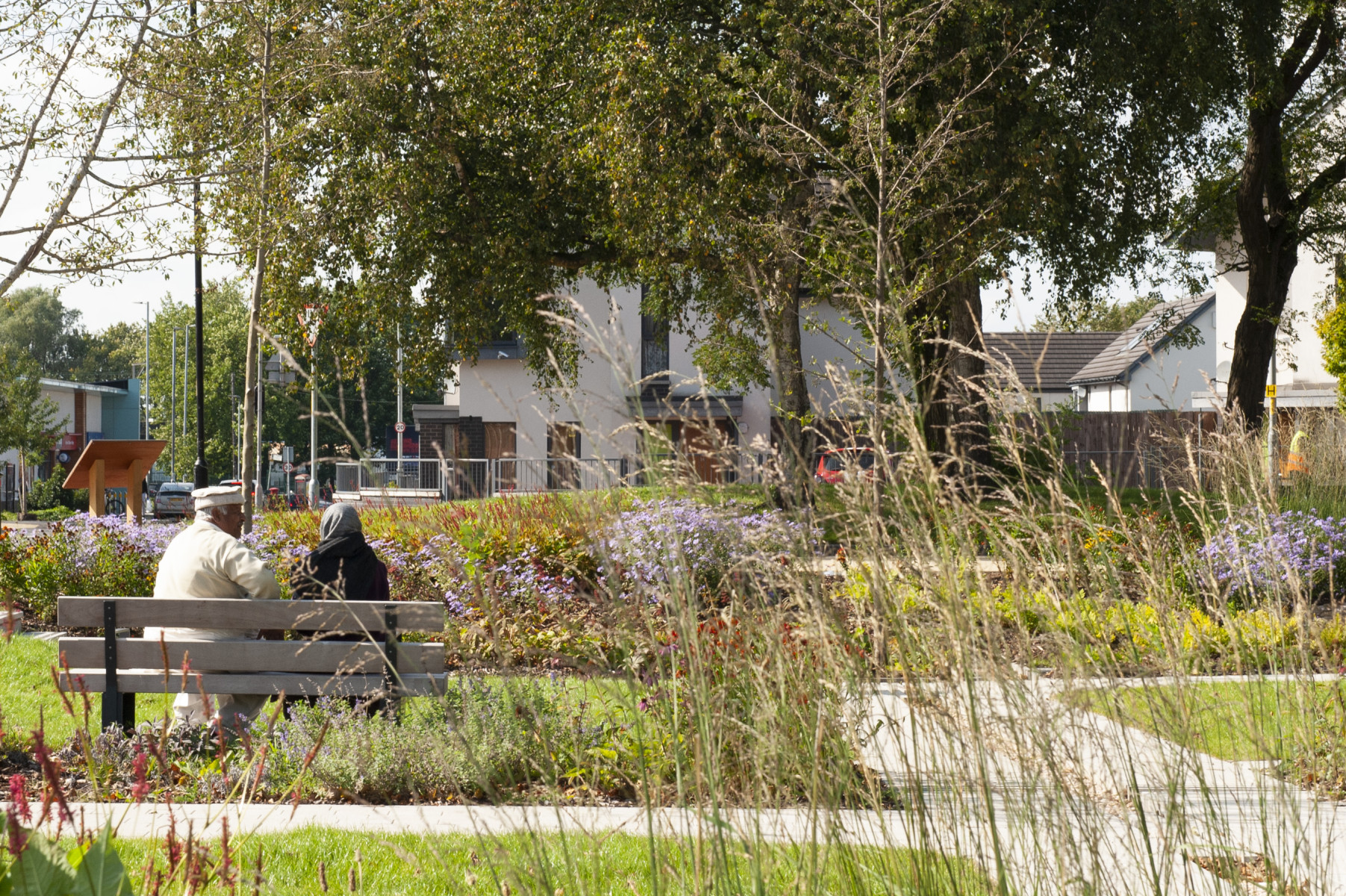
Compared with similar green spaces in Greater Manchester, the redesigned space saw sustained increases in walking, social interaction and outdoor activity. Researchers also found people were more likely to stop, sit and spend time enjoying the environment.
The park was redesigned in 2020 from a neglected open space into a greener, more welcoming environment. New features included play areas, walking routes, seating, planting and community spaces. The redesign also improved visibility across the park, helping residents feel safer.
The site became known as “Sponge Park” because it was designed to absorb excess rainwater and reduce flood risk while creating an attractive public space.
Local residents were involved in shaping the redesign to ensure the park reflected the needs of the community.
The improvements appear to have made a tangible difference to how people use the space.
Residents were not only more active, but also more likely to spend time relaxing, meeting others and engaging with nature. Survey data showed a clear increase in how often people reported spending time outdoors in the area.
These kinds of everyday behaviours – walking, socialising, and noticing the environment – are all linked to better physical and mental wellbeing.
The largest increases in park use were seen among young people and non-white residents.
This suggests that improving local green spaces may help reach groups who are often underserved by traditional health interventions.
The findings also highlight the potential for parks to help reduce health inequalities, particularly in more deprived communities.
While the biggest increases were seen shortly after the park opened, the study found that many of the benefits were still present five years later.
Some effects had reduced over time, but overall activity and use of the park remained higher than before the improvements.
This makes the study one of the first to show that urban park redesigns can have lasting impacts, rather than just short-term boosts.
As cities grow, access to high-quality green space is becoming increasingly important for public health.
The findings suggest that relatively simple changes to the built environment – like improving parks – can make it easier for people to be active and connect with others, without requiring major lifestyle changes.
Because these interventions do not rely heavily on individual motivation or resources, they may be particularly effective in reducing inequalities.