
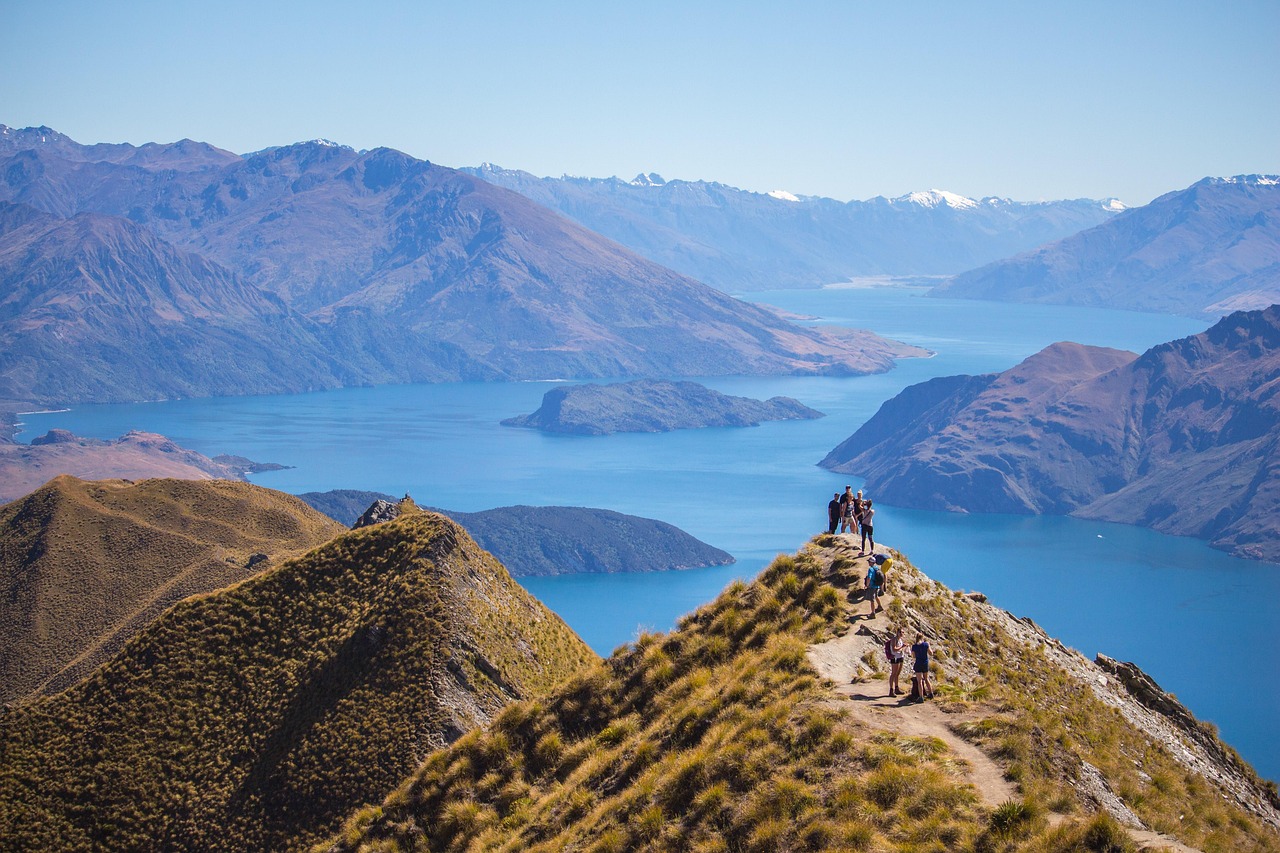
People who have ever seen a postcard of New Zealand know the picture: rolling green hills, clear lakes, and a promise to live a “clean, green” existence. It is a strong brand for the country. But New Zealand, like Greater Manchester, is suffering some big problems that are hidden beneath the beautiful beauty. The beautiful picture is being put to the test because of worries about water quality and the consequences of climate change. But what really interests me is how the nation is reacting. They’re not only using old-fashioned ways anymore. They’re using indigenous technology and new ideas to not just maintain their natural heritage but also to fix deep-seated societal problems. This isn’t simply a narrative about being green; it’s a plan for how technology might make the future stronger and fairer.
The Unseen Environmental Pressures
New Zealand’s ecosystem is under a lot of stress, even though it has a good name. Recent studies from the Ministry for the Environment show worrying tendencies. People used to praise the country’s lakes and rivers for being clean, but they are now regularly polluted in farming regions. Unsafe drinking water and the potential of flooding are extremely significant threats to people’s health, according to the study “Our Environment 2025.” It’s always hard to figure out a balance between being productive and conserving the environment in an area where farming is a large component of the economy. We have to find a delicate balance in our own cities, where natural spaces and clean rivers have to coexist with old structures and new ones.
A New Wave of Cleantech
New Zealand is becoming a center for “cleantech” innovation to deal with these problems. This isn’t about big companies with no faces. It’s about tiny, flexible enterprises making clever, focused solutions. For instance, Zincovery is a firm that has come up with a way to recycle zinc without releasing carbon dioxide, which cuts emissions by an amazing 95%. Daisy Lab is another new company that is employing precision fermentation to make dairy proteins. This is a means to greatly lower the environmental impact of one of the country’s main businesses. These aren’t simply solutions for technology; they’re remedies for society as well since they create high-skilled employment and move the economy toward more sustainable ways of doing things.
Technology for Community Resilience
The emphasis on technology goes beyond huge environmental problems to include daily living in the community. The New Zealand government is working hard to make the public sector carbon neutral by 2025 via its Carbon Neutral Government Programme. This includes simple but effective initiatives like converting to electric automobiles and using technology to keep track of and cut down on pollution from many sources. This pledge indicates that a better future for the environment begins at the local level, with public institutions taking the lead.
Bridging the Digital Divide
A big part of the focus is on how technology can help make society fairer, not only cleantech. The digital landscape is diverse, encompassing a wide range of platforms and applications, from specialized financial tools to popular entertainment like online pokies. There is still a lot of talk about how these different technologies will affect the world, but New Zealand’s new wave of cleantech shows that technology can be a tremendous force for good.
The government’s Digital Strategy for Aotearoa wants to help all communities learn how to use digital tools well. The goal is to make sure that everyone can benefit from the high-paying employment and possibilities that a tech-driven economy offers by closing the gap between people who have access to technology and those who don’t. The goal is to use technology to make life better, not merely to make money.
A Shared Vision for the Future
We can learn from the story of how technology revolutionized New Zealand right here in Greater Manchester. We all want to make the future better for everyone, in terms of money and society. We may learn from New Zealand’s example by coming up with fresh ways to fix our own social and environmental challenges. It’s about giving our local companies more influence, putting money into smart technology, and making sure that every choice we make is good for our community. This is how we can go from our industrial past to a future that is better for everyone and more stable.