
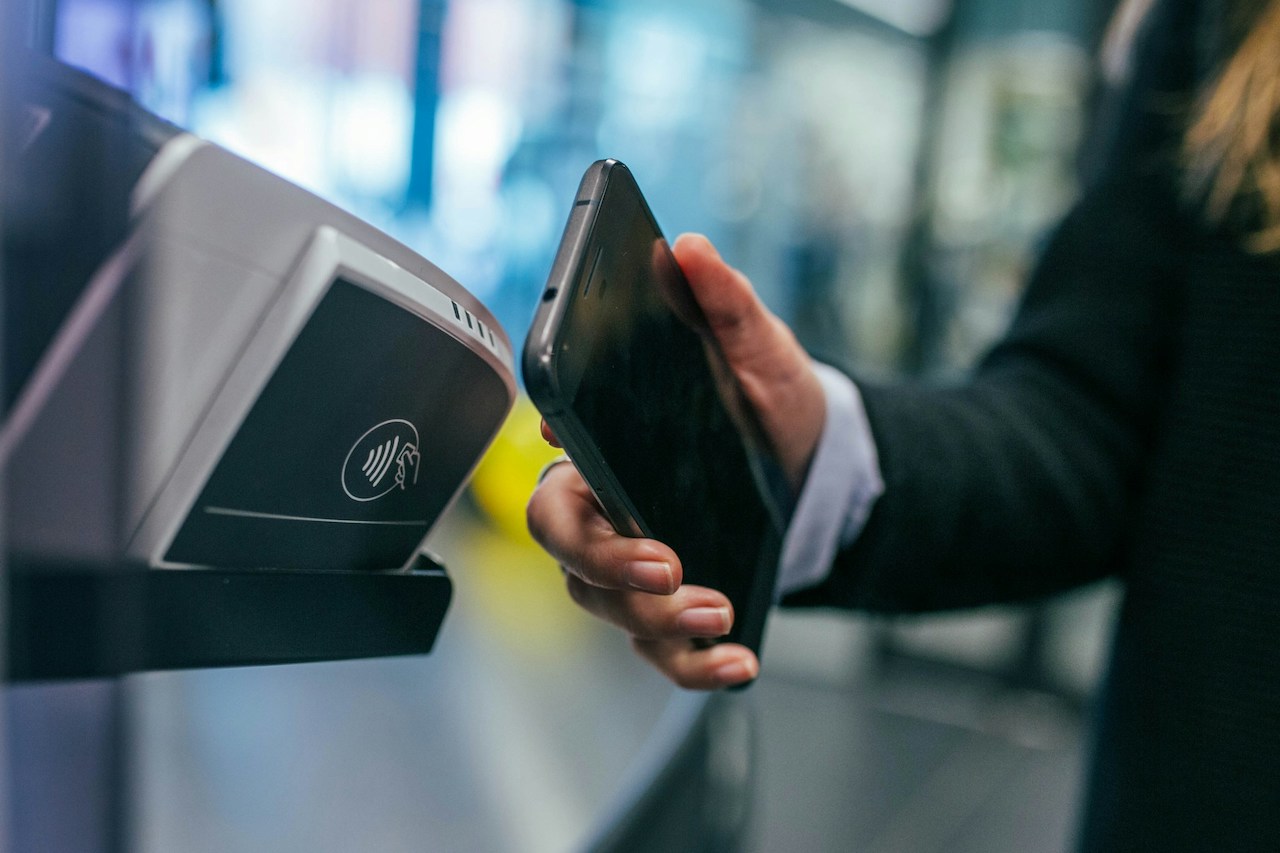
Shopping in Manchester has evolved a lot over the last few years. The increase in contactless cards and mobile wallets has made it much easier to pay for groceries, clothes, or even bus tickets. Customers no longer feel the need to carry cash with them, and many are now expecting stores to provide the speed and convenience of tap-and-go payments. Let’s see why below.
First off, even before contactless cards became the norm, people were already becoming accustomed to fast digital payments. Online payments in various industries contributed to this becoming the standard since they provided users with the possibility to transfer money in a short period of time and safely.
An example is online gambling, where players are usually presented with more than one payment method. On platforms featured in iGaming expert Viola D’Elia’s comprehensive guide on international online casinos that accept credit cards, users are not only able to deposit with debit and credit cards but also with e-wallets and even cryptocurrencies. These technologies enable them to cash out winnings within minutes, as they are designed for flexibility and quick turnarounds.
When people get used to this degree of choice on the Internet, they start to demand the same convenience when paying in the real world. High street stores in Manchester have been fast to respond to these changing tastes. Supermarkets, fashion stores, and even small independent shops have realised that long queues at the tills can be a frustrating experience for customers. They reduced the waiting time and made the process more convenient by introducing contactless card readers and mobile payment acceptance.
Retailers also gain because transactions are completed faster, and they can serve more people within a shorter period. The increased speed not only enhances efficiency but also aligns with the expectations that shoppers have acquired during their online payment experiences.
The other place where tap-and-go has gained popularity is in public transport. Contactless payments can now be made on bus and tram services in Greater Manchester. This makes travelling easier for those who do not want to carry loose change or purchase tickets in advance.
Both regular commuters and occasional riders can simply tap their card or phone and get on the move without wasting time. This step has been especially beneficial to the tourists who might not be familiar with the local ticketing system, as they can use the same cards or devices they use at home.
Security is another major factor in payment adoption. Some Manchester shoppers were initially wary of tapping their cards without entering a PIN, fearing fraud or inadvertent purchases. However, banks and payment providers have, over time, assured them by capping contactless transactions and setting up fraud protection policies.
When people understood that they would be insured in case something went wrong, trust in the system increased. Tap-and-go is now viewed by many as not only convenient but also safe. The use of biometric authentication on phones and smartwatches has provided an additional layer of protection that makes shoppers even more secure.
Younger adults in Manchester have been fast to embrace a culture of contactless payments. Most of them already had mobile wallets, wearable devices, and online payment platforms as part of their daily lives. To them, it is more natural to tap a phone on a reader than to rummage through a wallet to find coins.
This generation also has a tendency to appreciate speed and flexibility, which contactless payments provide. Their impact has made more retailers and service providers adjust because they know that this group is a major consumer trend driver.
Retail and transport are not the only industries to have adopted tap-and-go. Cafes, bars and even market stalls in Manchester have introduced contactless. Small businesses that previously used cash have invested in cheap card readers to keep up with the rising demand. Street food vendors, as an example, will be able to serve more people during busy events when they accept fast card or phone payments. This has enabled local business people to remain competitive and attract more customers who do not carry cash at all.
The thing that makes Manchester special is not only the prevalence of contactless technology but the culture that has developed around it. Shoppers consider cashless payments as a normal part of their lives, whether it is purchasing a coffee, concert tickets or a taxi. The ease of payment options on the internet has established the trend, and the retailers and service providers in the city have followed suit.