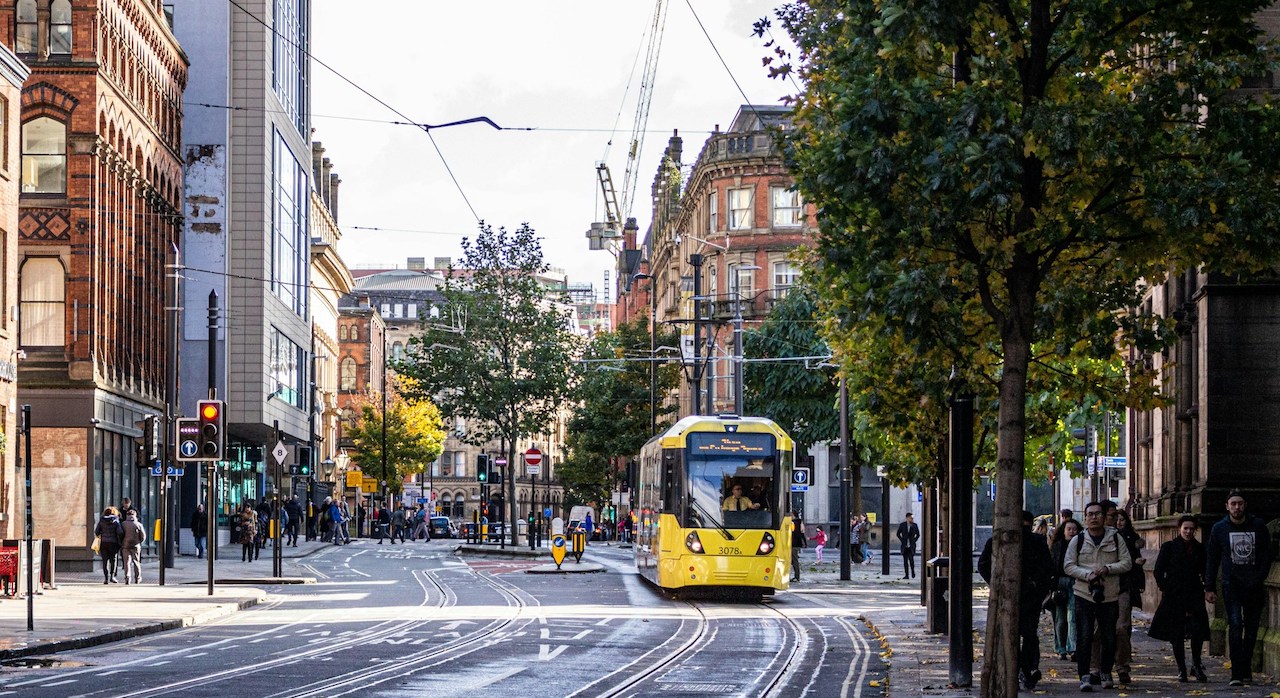
Manchester is often referred to as the London of the north as a result of all the incredible facilities it has to offer, second to none in the entirety of the north of England. The city is steeped with history, from its peak industrial power, the iconic musical artists, and of course, the two giant football teams that have become two of the greatest on the world stage. Manchester is a city that is loved by many for various reasons, but even the most local of Mancunians may not know these 7 facts about the city.
The Buried Medieval Bridge
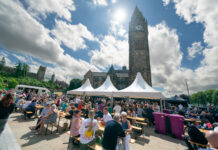
In plenty of towns and cities across the country, there are many elements of history surrounding them, from 17th-century buildings or statues dating back even further, but underneath the famous Cathedral lies a 15th-century hanging bridge that was completely built around. The bridge once connected the market square to the church yard, but was forgotten about during the city’s expansion, leaving it buried underground until the 1880s, when it was discovered during renovation. It is now available to be viewed in the Cathedral’s museum, preserved in an exhibit as one of the oldest structures that is still standing within the entire city.
Manchester’s Secret Water Highway
Something that many people aren’t aware of is the secret water highway that was constructed from 1890 to 1925, supplying fresh water to the people of Manchester for over 100 years. The pipeline connects the city to the Lake District via what is regarded as an engineering masterpiece known as the Thirlmere Aqueduct. The aqueduct stretches around 96 miles, an impressive feat for the time it was constructed, using gravity as the only way the water is carried between the two locations. It was an early invention that revolutionised water transport and is still in use today.
The Worker Bee Symbol
Many people outside of Manchester may not be aware of the connection between the Bee symbol and the city itself. At first, it seems like an odd choice to represent the city, but the reasoning behind it sums up the history and togetherness of Manchester. Initially, during the industrial period, the bee symbolised the city’s high work ethic and productivity. However, after the tragedy of the Manchester bombing in 2017, the bee came back as a symbol of unity and resilience, appearing all over the city and becoming part of the identity of the people living in Manchester.
World’s First Stored-Program Computer
The computer is a piece of technology that a lot of people take for granted, as they are used in some cases as a daily occurrence for many. The invention of them has been revolutionary in terms of pushing the progression of technology, as well as providing many worldwide opportunities, but what is known by few is that Manchester was home to the first stored-program computer. Developed in 1948 at Manchester University, the computer was known as ‘The Baby’ and would be the first computer to store and run a program, the first of its kind that eventually developed into what we have today.
The Beginning of Vegetarianism
Manchester has paved the way in many aspects when it comes to political and moral views, most notably being the home of the incredible Suffragette movement. But Manchester was also the home of the vegetarian movement, beginning the desire for a meat-free society. This dates back all the way to 1847, when William Cowherd, a reverend at the ironically named Beefsteak Chapel in Salford, decided to use his followers to push for a meat-free future, signifying the start of the vegetarian movement that is still persistent in today’s society.
Manchester Canals
Manchester’s industrial period was a time when the city was at its peak, producing cotton, coal, and many other goods that would be traded around not just the country, but the world. One way that they would transport goods around the city was by using canals, which they had in abundance. The canals that were used include the still used Rochdale Canal, Bridgewater Canal, and Manchester Ship Canal. A local phrase of the city is that ‘Manchester has more canals than Venice’, which is not fully true, but the length of the canals does exceed that in Venice.
The Birthplace of Professional Football
Football is the biggest sport in the world, with leagues in almost every country. Manchester is known for having two of the biggest clubs in England, but neither of which was featured in the first-ever professional football league that was founded in Manchester. The 12 founding clubs met in the Royal Hotel, led by Aston Villa director William McGregor. The first league format and fixture list were introduced, with Preston North End crowned the first-ever champions. This was just the beginning of what we now call the Premier League. And just as football has grown, so has the variety of online sports betting options, with popular titles like Big Bass Bonanza appearing alongside professional football markets.