
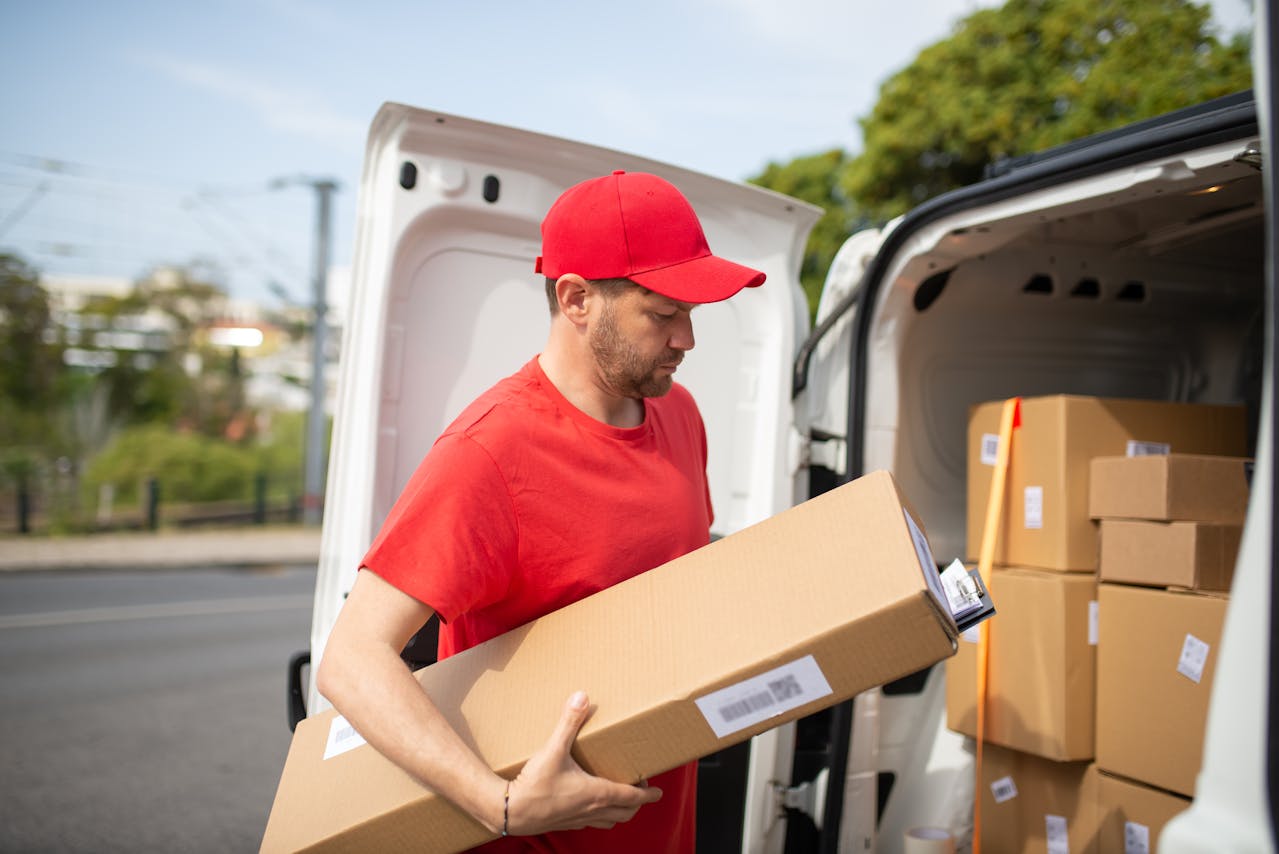
Last mile delivery in Manchester operates under tight constraints. High population density, mixed urban infrastructure, and variable traffic conditions create a complex delivery environment. Businesses must manage time-sensitive deliveries while maintaining cost efficiency.
The last mile represents the final step in the logistics chain. It is also the most expensive and operationally demanding segment. Inefficiencies at this stage directly affect customer satisfaction and overall profitability.
To operate effectively in Manchester, delivery systems must be structured, data-driven, and adaptable to real-time conditions.
Understanding Manchester’s Delivery Landscape
Manchester presents a mix of urban challenges. The city includes dense commercial zones, residential areas, and restricted traffic regions. Each of these requires different delivery approaches.
Congestion is a primary constraint. Peak-hour traffic significantly impacts delivery times. Road restrictions, pedestrian zones, and limited parking further complicate operations.
Delivery density varies by area. Central districts require high-frequency, short-distance deliveries, while outer areas involve longer routes with fewer stops.
Environmental regulations also play a role. Low emission zones and sustainability targets influence vehicle selection and routing strategies.
Route Optimisation in Urban Conditions
Route planning in Manchester must account for dynamic variables. Static routes are ineffective due to changing traffic patterns and delivery priorities.
Algorithm-based optimisation is essential. These systems calculate efficient routes using real-time data, including traffic flow and delivery windows.
- Dynamic rerouting: Adjusts routes based on live conditions
- Clustered deliveries: Groups nearby stops to reduce travel distance
- Time window prioritisation: Ensures critical deliveries are completed on schedule
Optimised routing reduces fuel consumption and increases delivery capacity per vehicle.
However, optimisation must remain flexible. Sudden disruptions, such as road closures, require immediate recalculation.
Fleet Management and Vehicle Selection
Vehicle choice directly affects delivery efficiency. In Manchester, smaller vehicles often perform better in dense areas due to easier navigation and parking.
Electric vehicles are increasingly used. They comply with emission regulations and reduce operational costs over time.
Fleet composition should match delivery patterns. High-density areas benefit from smaller, agile vehicles, while bulk deliveries may require larger vans.
Maintenance and reliability are also critical. Breakdowns in urban environments cause significant delays and disrupt schedules.
Real-Time Tracking and Visibility
Visibility is essential for managing last mile operations. Without real-time tracking, it is difficult to identify delays or optimise performance.
GPS tracking systems provide continuous updates on vehicle location and delivery status. This allows managers to monitor progress and respond to issues quickly.
Customers also expect visibility. Real-time tracking and accurate delivery windows reduce uncertainty and improve satisfaction.
Operational transparency improves accountability. Drivers are more likely to adhere to schedules when performance is monitored.
Technology and Automation in Last Mile Delivery
Technology is central to modern last mile operations. Manual processes cannot handle the complexity of urban logistics at scale.
Platforms offering software for last mile delivery provide integrated tools for routing, dispatching, and tracking. These systems centralise operations and reduce reliance on manual coordination.
Automation handles repetitive tasks such as route calculation and job assignment. This reduces errors and ensures consistency.
Integration with order management systems ensures that delivery data flows seamlessly. Orders can be processed and assigned without delays.
Workforce Management and Driver Efficiency
Drivers are a key component of last mile delivery. Their efficiency directly impacts performance.
Workforce management must balance workload and availability. Overloading drivers leads to delays, while underutilisation increases costs.
- Shift optimisation: Aligns driver availability with demand
- Performance tracking: Monitors delivery times and efficiency
- Training programmes: Improves navigation and compliance
Driver familiarity with local routes also improves efficiency. Knowledge of shortcuts and traffic patterns can reduce delivery times.
Communication tools are essential. Drivers must receive updates quickly to adapt to changing conditions.
Challenges Specific to Manchester
Manchester’s infrastructure introduces specific challenges. Narrow streets, limited parking, and high pedestrian traffic affect delivery speed.
Weather conditions can also impact operations. Rain and reduced visibility increase travel time and risk.
Urban regulations, including delivery time restrictions in certain areas, must be considered. Non-compliance can result in fines and delays.
Demand variability is another factor. Peak periods, such as holidays or major events, require additional resources and planning.
Cost Control and Efficiency Metrics
Cost management is critical in last mile delivery. This segment often accounts for a large portion of total logistics costs.
Key metrics include delivery cost per drop, fuel consumption, and driver utilisation. Monitoring these metrics helps identify inefficiencies.
- Cost per delivery: Measures overall efficiency
- Fuel usage: Indicates route optimisation effectiveness
- On-time delivery rate: Reflects service quality
Reducing failed deliveries is also important. Missed deliveries increase costs and reduce customer satisfaction.
Data-driven analysis supports continuous improvement. Businesses can refine operations based on measurable outcomes.
Sustainability and Future Trends
Sustainability is becoming a priority in Manchester’s logistics sector. Businesses are adopting greener practices to meet regulatory and consumer expectations.
Electric vehicles, bike couriers, and consolidated delivery hubs are being used to reduce emissions. These approaches also improve efficiency in dense urban areas.
Technology will continue to evolve. AI-driven optimisation and predictive analytics will further enhance delivery performance.
Automation may also expand into areas such as autonomous vehicles and drone delivery, although these are still in early stages.
Conclusion
Last mile delivery in Manchester requires a structured and adaptive approach. Urban complexity, regulatory constraints, and customer expectations create a challenging environment.
Effective operations depend on route optimisation, real-time visibility, and efficient workforce management. Technology plays a central role in coordinating these elements.
In practical terms, success in last mile delivery comes from combining data, automation, and local knowledge. Businesses that integrate these components can improve efficiency, reduce costs, and maintain reliable service in a demanding urban landscape.