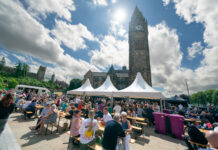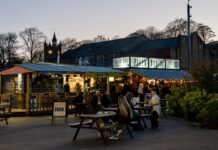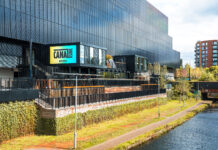

Manchester refuses the tourist gaze. It performs for no one but itself. City and United set the tempo, but it is the people who hold the rhythm—in the pulse, the streets, the stubborn pride that shaped bands like Oasis and The Smiths. To understand it, you move with it.
Many Theatres of Dreams
The energy here runs on belief. Both football giants chase greatness in their own ways, but whether you’re at Old Trafford or the Etihad, or just watching in a Moss Side pub, everyone’s got skin in the game.
That mentality—going with your gut, living with the consequences—shows up everywhere else too. Betting is part of the routine, and poker is part of the language. You play your hand, back your read, and whatever happens, you return with edge intact.
In a city wired for stakes and sharp decisions, it makes sense that more are turning to international casino sites for UK players, where that same energy finds a new outlet. The appeal goes way beyond convenience, as these platforms offer fast withdrawals, big bonuses, and a constantly shifting lineup of new games that mirrors the pace at which people already move. For those used to making quick calls in a match or reading a room at a gig, the habit transfers clean.
The Game Inside the Gallery
Football and art are about to cross paths when England midfielder Ella Toone collaborates with United legend Eric Cantona for an upcoming installation at this year’s Manchester International Festival. Their words will stretch across the Arndale, moving beyond football and art to place memory right in the way of foot traffic.
Lines that might once sit behind glass will soon live among shopping bags, buskers, and city noise. No museum hush or overhype, just words where people already are.
In Manchester, expression stays close to motion. Stories surface through murals, matchday banners, or fragments left on pub walls. It feels unrehearsed because it is. The message shifts depending on time, weather, or crowd. A passerby may catch a phrase and carry it for a week without meaning to.
Pause in the wrong spot, and the city flows past. Keep pace with it, and the undercurrent begins to make sense. The work aligns with everything around it—folds into the day, as casually and precisely as a corner kick or a shared pint.
Food From All Over the World
Walk down any side street near Cheetham Hill or Rusholme, and the food tells you everything the tourist guides miss. Caribbean bakeries fire up before dawn, rolling out patties and hard dough bread while the Pakistani grill houses down the road keep their flames going until the early hours, serving proper karahi to night shift workers heading home.
The range is broad, but the focus stays sharp—flavour, speed, and routine. Places like Café Mandalay, which moved from a Burmese street food pop-up to a permanent fixture, show how quickly the city makes room for what delivers.
Even newer names like District in Ancoats build their menus around fire and memory, combining Thai technique with industrial precision. Most of these places survive by reading people, not by branding campaigns. They serve builders, students, DJs, and cab drivers in the same breath.
Here, meals carry history—sometimes generations of it—but always land right on time.
Venues That Become Community Catalysts
Old warehouses behind Manchester’s industrial fronts have become places where art, tech, and film collide. The Sharp Project in the Northern Quarter runs film screenings, tech meetups, and hands-on art installations, funded by entrepreneurs who saw potential in empty buildings.
This creates an interesting mix—filmmakers sit with software developers over beers, swapping work stories instead of pitching each other. When art and technology share the same space, conversations feel more like discoveries than networking.
While big events like the BRIT Awards will draw crowds to places like the AO Arena, these grassroots venues offer something different—locals come to stretch ideas and build connections without the spotlight.
Memory Mapped on Brick and Steel
Cities retain identity through surfaces—the walls, walkways, and remnants that residents trace with their eyes and feet. In Hulme, old canal paths have become outdoor galleries where local artists’ work sits next to plaques telling stories about past activists and factory strikes.
One stretch highlights women-led music crews from the 2000s, each piece framed with a QR code linking to archival gig flyers and oral histories. That layering of present and past allows visitors to follow informal trails rather than booking tours.
These routes stay active on weekdays and weekends, and every plaque anchors an experience that stays alive when people pass through.
Night Moves That Shape Tomorrow
When darkness settles over Manchester, something interesting happens. The city doesn’t just flip a switch from day to night—instead, it opens up completely different ways of being alive.
Take Back Piccadilly, where the bars have figured out how to make conversation feel as important as the drinks they’re serving, mixing carefully chosen music with debates that can jump from climate change to whatever’s opening at the theatre next week.
The clubs out in Trafford have started doing something clever too—they’ve teamed up with local theatre groups to create these hybrid nights where you might watch a monologue written by someone from down the street, then find yourself dancing or deep in conversation about what you just heard.
Meanwhile, The Factory International runs these midnight poetry events that blur the lines between spoken word and electronic music, creating something that feels both ancient and completely new.
What’s happening is that night has become a place where ideas get tested, not just escaped from. With the Manchester International Festival and the city’s UNESCO literature status, these evening experiments make sense for a place that takes its cultural reputation seriously.