
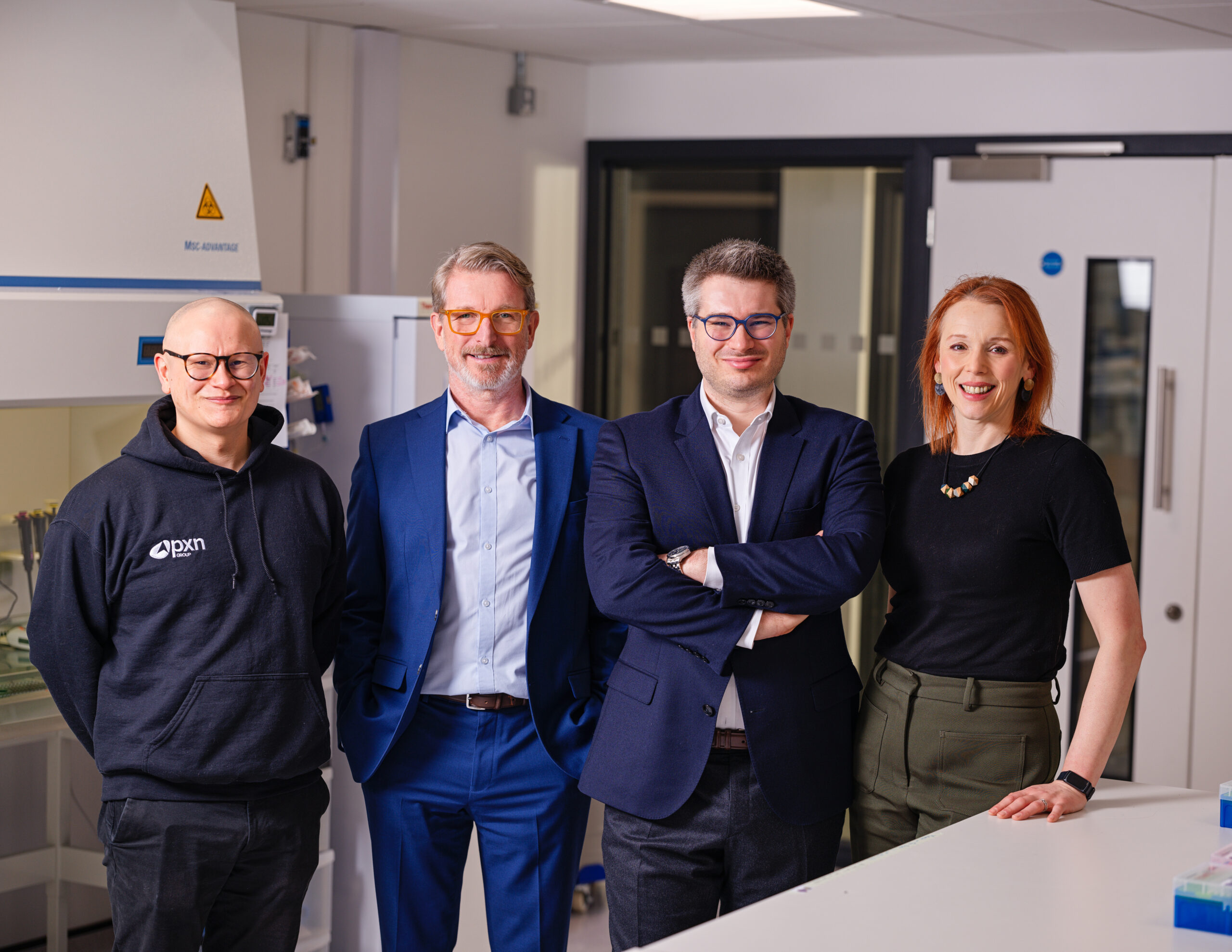
A Cheshire-based medtech business has secured £4.5m of investment and grant funding to revolutionise treatment for the most common type of primary brain cancer in adults and extend potentially thousands of lives each year.
QV Bioelectronics has created a world-first implantable device to improve outcomes for patients affected by hard-to-treat glioblastoma (GBM), which Cancer Research UK states accounted for around 32% of all brain tumours diagnosed in England between 1995 and 2017.
Affecting around 2,200 UK adults each year, GBM is an aggressive disease with very limited treatment options – only 3% of patients diagnosed with the condition live for five years from diagnosis, while less than 1% live for 15 years, highlighting its terminal nature.
According to The Brain Tumour Charity, patients currently survive an average of 12-18 months after diagnosis. It is also the same cancer that took the life of former Labour MP Dame Tessa Jowell, who died in 2018 a year after being diagnosed.
Developed by founders Dr Christopher Bullock, a biomedical engineer, and Dr Richard Fu, an NHS neurosurgeon, QV Bioelectronics’ flagship implant technology GRACE, which stands for Glioma Resection Advanced Cavity Electric Field therapy, uses electric field therapy to kill residual brain cancer cells following brain tumour surgery. Using continual therapeutic electric fields helps to prevent GBM, which has a 90% re-occurrence rate within two years, from growing back.
GRACE seeks to improve survival whilst maintaining quality of life for patients going through treatment for newly-diagnosed and recurrent GBM. Early laboratory testing has helped to validate QV Bioelectronics’ approach, and the Alderley Park-based firm will now use the funds to continue its clinical trial work, including its first-in-human clinical study in mid-2026.
Dr Christopher Bullock, CEO and co-founder of QV Bioelectronics, said: “Brain cancer is a devastating diagnosis, and for too long patients and families have had few treatment options. Our mission at QV Bioelectronics is simple but ambitious, to develop technology that can meaningfully extend life and give people more time with those they love. This investment allows us to take a major step towards that goal, progressing into first-in-human studies and generating the vital evidence needed to bring a new treatment approach to the patients who need it most. We are incredibly grateful to our partners and investors for supporting this vision.”
The investment round was led by PXN Ventures, which has recently launched following the merger between Praetura Ventures and Par Equity. PXN invested via the GMC Life Sciences Fund by PXN Ventures, which it manages on behalf of the fund’s limited partners Bruntwood SciTech, Enterprise Cheshire and Warrington and Greater Manchester Combined Authority.