
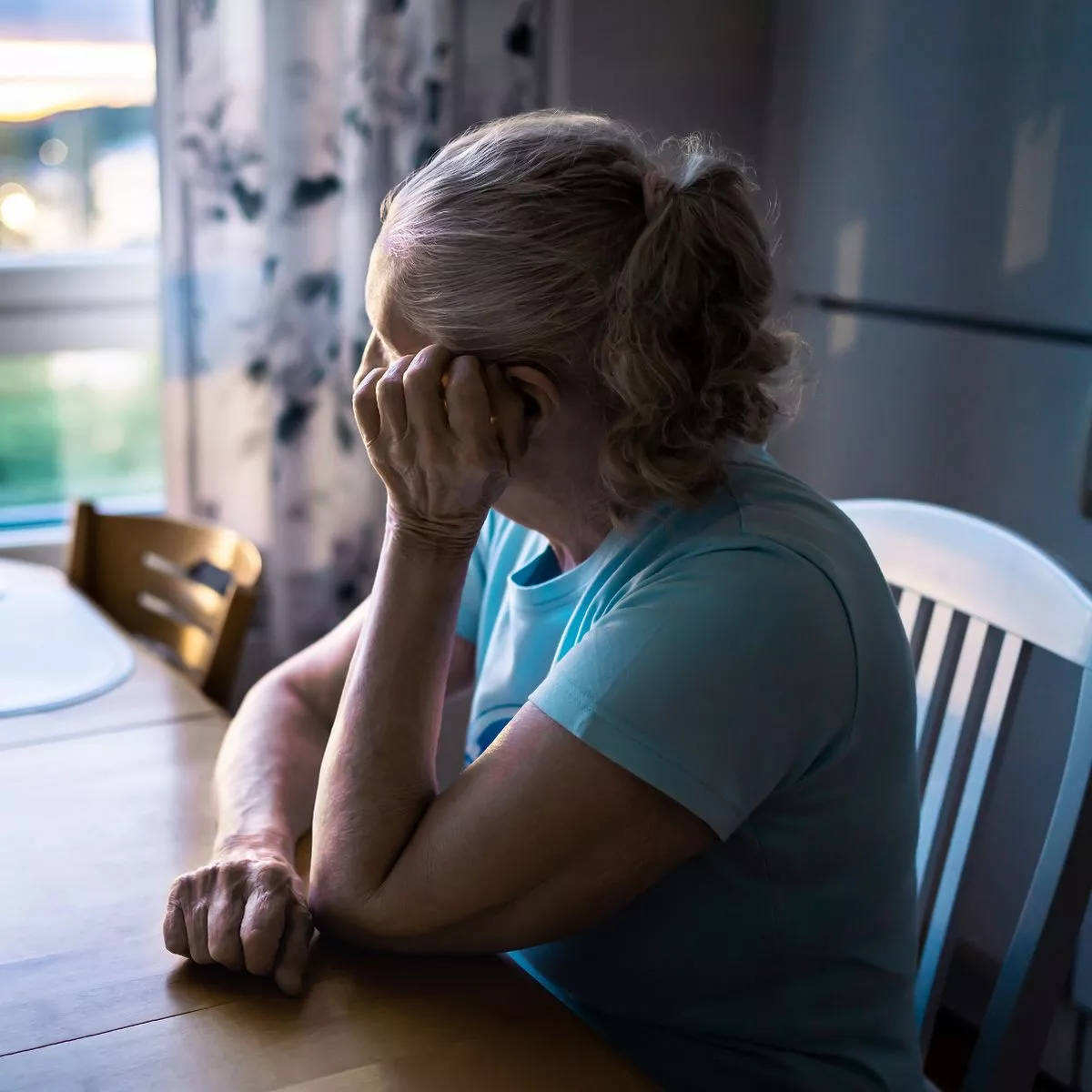
A cross-party group of MPs has urged the Government to commit to a UK-wide, cross-government strategy for an ageing society, that will help target support to tackle pensioner poverty.
If it doesn’t effectively tackle poverty as one of the causes of ill-health, “the Government will not be able to achieve its goal of building a health and social care service that is sustainable”, the Work and Pensions Committee’s Pensioner Poverty report warned.
The report also highlighted concerning longer-term trends that “threaten to undermine pension adequacy”, such as the climbing number of people renting in the private sector during retirement rather than owning their home outright.
Over the course of the inquiry the Committee heard that while almost one in six pensioners experienced relative poverty, increasing to one in three for those in the private and social rented sector, one in four, and roughly one in five for carers and disabled people.
The report calls for a Pension Credit take-up strategy for England by the end of 2025. Despite being worth up to £4,000 a year, the take-up of Pension Credit has hovered between 61% and 66% for a decade, with the latest figures showing an estimated 700,000 households eligible but not claiming. Although there were an additional 60,000 awards after Winter Fuel Payments were linked to Pension Credit last year, there is still a long way to go, the Committee reported.
A taper to Pension Credit should also be considered to “mitigate the cliff-edge effect” for those who miss out, the report also concluded. Under current rules, pensioners just above the income threshold – £227.10 per week for singles and £346.60 for couples – miss out on passported benefits, potentially making them worse off than those with slightly lower incomes.
The Government should decide on and ensure a minimum level of retirement income. Given that the State Pension is the core of the Government’s offer to pensioners, relied by many on low incomes, a guiding principle should be that it provides the amount needed for a ‘minimum, dignified, socially acceptable standard of living’. Once set, the Government create a plan for everyone to get to that level, the report concluded, reviewing those on the old State Pension that financially disadvantaged women, with 2.1 million people receiving less than the basic State Pension.
It argued that reliance on top-ups like Pension Credit and Housing benefit is not sufficient to ensure people do not fall below the poverty line. This is because of issues of design, like the Pension Credit cliff edge and low take-up, and the mixed-age couple rule that blocks Pension Credit to couples where the younger is below pension age.
Committee Chair Debbie Abrahams said,“Poverty is insidious. It isolates, damages health, and strips you of dignity. After decades of contributing to society dignity in retirement is the least you deserve.”
“But too many are forced to make sacrifices that will accelerate their ageing because they don’t have enough to live on.”
“To boost incomes, the Government needs to come up with a strategy to increase Pension Credit take-up. It’s a scandal that so many have missed out for so many years, often through an aversion to claiming benefits altogether, or lack of support.”
“The fairness of the Pensions Credit eligibility criteria where if you are a penny above the threshold, you miss out on thousands of pounds, also needs to be looked at.”
“Ultimately, the Government should decide what it thinks is enough for a dignified retirement, and then work to ensure that all pensioners are on at least that level.”
“Faced with a combination of high energy costs, ill-health and ever higher rates of pensioners in more costly privately rented accommodation, tackling pensioner poverty is not simply a DWP issue. So, we’re calling for a nationwide, cross-government strategy for an ageing society that should be rooted in equity and wellbeing.”
“Earlier this week the Government relaunched the Pensions Commission that will look into how future pension savings could be boosted to help future pensioners. While we welcome this, we are keen to ensure that those reliant right now on a state pension that leaves them short are looked after too.”