
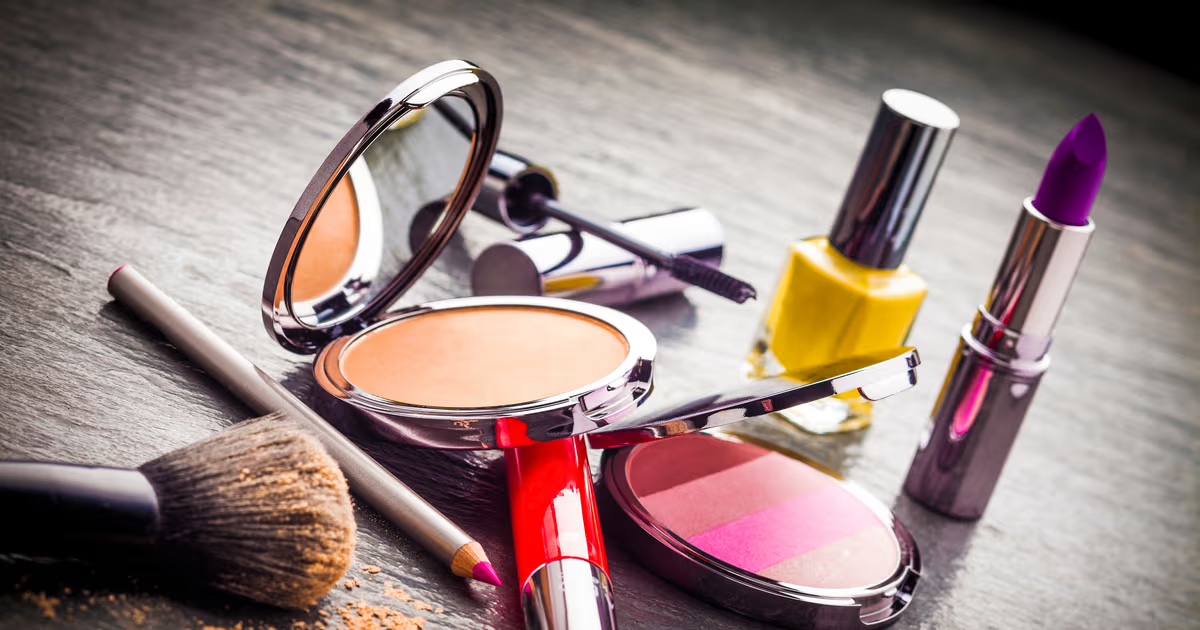
A majority of cosmetic products purchased from third party sellers on Amazon, eBay, Tiktok Shop and Vinted appeared to be fake and could be putting shoppers’ health at risk, a Which? investigation has found.
In a snapshot investigation, Which? researchers purchased 34 cosmetic products from third party sellers that have collectively racked up thousands of sales of these items on Amazon, eBay, Tiktok Shop and Vinted. The cosmetics purchased were advertised as being from household names including Charlotte Tilbury, La Roche-Posay, Maybelline, The Ordinary and MAC.
In each case, researchers conducted visual checks on the packaging and contents, and compared them with the genuine products purchased from trusted retailers.
In total, the consumer champion believes 23 of the 34 products purchased were likely to be counterfeit (67%). This included four out of 11 products ordered on Amazon, eight out of 11 products purchased on eBay, five out of six products ordered from TikTok shop, and six out of six items bought on Vinted.
The consequences of using counterfeit products can be grave. Fake cosmetics, perfumes and other beauty and hair products have previously been found to contain animal faeces and urine used as a stabiliser, as well as cancer-causing and toxic ingredients such as arsenic, lead and mercury, according to The Anti-Counterfeiting Group. The act of selling counterfeit goods is illegal in itself, but more widely, the black market in counterfeits has been found to have links to organised crime.
Which? spoke to Consultant Dermatologist Dr Aamna Adel, who said that even where a fake product contains genuine active ingredients like glycolic acid or retinol, the lack of regulation or oversight in their production means they may be incorrectly formulated. This poses the risk of skin irritation, skin infections or even chemical burns.
In contrast, legitimate cosmetics products conform to laws that ensure they are safe to use. They undergo safety assessments, are manufactured under specific conditions, and European and national systems have requirements for the traceability of each product.
Worryingly, many of the dupes were difficult to spot, and only became apparent when directly compared with the genuine samples. The highly convincing nature of these fake products means consumers could easily be caught out, putting their health and wellbeing at risk.
For example, a bottle of Charlotte Tilbury Airbrush Flawless Setting Spray (RRP £32.99) purchased from Amazon for an inflated price of £37.90 looked the part from the outside, but on closer inspection Which? researchers noted it had a cloying floral scent, distinctly different from the genuine sample.
Similarly, a MAC Macximal silky matte lipstick in shade Ruby Woo (RRP £25) purchased from Vinted For £15 arrived in packaging very similar to the genuine version, but when closely compared, the lipstick bullet itself was subtly different with a smudged logo that didn’t match up with the original.
In many instances though, Which? researchers noted more obvious issues with the products they purchased, in terms not only of the packaging (which sometimes featured misspellings or stylistic errors) but also the contents.
For example, a tube of La Roche Posay Effaclar Serum (RRP £40) purchased on Vinted for just £12 smelt suspiciously like shampoo, while the sample bought from Vinted had completely different text on the side of the box. A tube of Maybelline Lash Sensational Sky High Mascara (RRP £12.99) purchased from Tiktok Shop for just £8.07 had an incorrect label on the bottom of the tube, and other inconsistencies in the design.
When Which? researchers purchased discounted tubes of CeraVeResurfacing Retinol Serum (RRP £23) from Amazon (£19), eBay (£6.85) and Vinted (£7), all three came in different packaging to the genuine product, and were missing the safety markings researchers would expect to see. It was difficult to get any serum out of the bottles using the pumps, but when they did it was clearly different in consistency and colour. Meanwhile, when Which? bought The Ordinary Niacinamide serum (RRP £5) from eBay (£5.99), Tiktok Shop (£2.45) and Vinted (£6), and The Ordinary Hyaluronic Acid 2% + B5 (RRP £8.80) from eBay for £5.98, all seemed obviously fake, with the consistency and colour of the liquid in the bottles markedly different to the genuine samples. Some also used a different font on either the box or bottle (and sometimes both).
The Ordinary product listings were some of the most popular Which? found – the two listings on eBay had collectively sold more than 2,600 items and nearly 1,000 were sold on Tiktok Shop. This was all the more surprising as these were among some of the most affordable items in the investigation, with products all retailing at less than £10.
Phil Lewis, Director General of The Anti-Counterfeiting Group, told Which? that even on cheaper fake products the profit margins are ‘extremely high’, meaning consumers should be on their guard even if discounts seem more realistic.
It is clear strong enforcement action is needed to shut down these sellers, but previous Which? research has shown that counterfeit goods and other crimes are not always being investigated in many parts of the UK because some Trading Standards services have deprioritised this area.
Which? is calling on the government to urgently prioritise reform of the consumer enforcement system. The Product Regulation and Metrology Act, which became law this week, may pave the way for new laws that could clarify and strengthen responsibilities for online marketplaces, but to be truly effective these will require a reformed enforcement system that’s fit for the 21st century.
Which? is also warning shoppers to be vigilant when buying items on online market places and to avoid buying beauty products where there is a risk of them being counterfeit. The safest way to buy cosmetics products online or in-store is to buy directly from the brand website, or one of their affiliated retailers or approved stockists.