
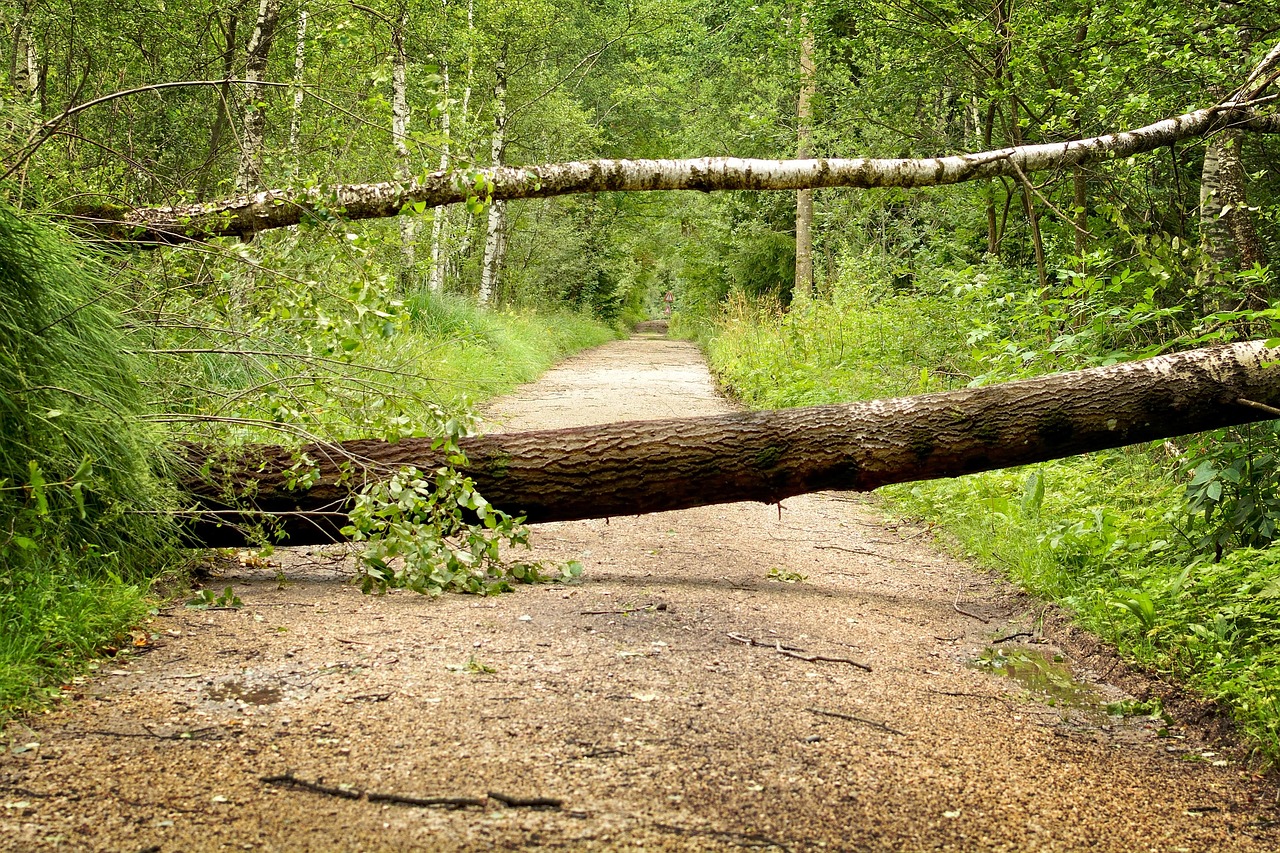
Manchester’s weather is becoming noticeably more volatile. Recent storms such as Isha and Jocelyn brought down mature trees, damaged roofs, and blocked roads across areas like Whalley Range, Didsbury and Stockport. High winds aren’t new here, but their intensity — and the damage they cause — is increasing.
For many homeowners, the most significant risks during winter storms come from trees that are already under stress. The good news is that most storm-related failures are preventable with a few simple checks before the bad weather arrives.
As a local tree surgery team working every day in Manchester’s tight urban streets and conservation areas, here’s what we recommend residents do to prepare.
Check for early warning signs
Autumn is the ideal time to take a closer look at your trees. As the leaves fall, problems that were hidden over summer become easier to spot.
Look out for:
- Cracks in stems or major limbs
- Fungal brackets or mushrooms around the base
- Dead or hanging branches
- Soil lifting or visible root movement
- Sudden leaning
- Cavities, hollows or signs of decay
These issues don’t always mean a tree is unsafe, but they do mean it needs an expert assessment before winter storms arrive.
“Most of the storm call-outs we attend show clear warning signs beforehand,” says Henry Whittle, Team Leader at Woodfelder Tree Care.
Deal with dead trees before they become dangerous
One of the biggest storm hazards in Manchester is a dead tree that’s been left standing for too long. Healthy trees bend and move with the wind — dead ones don’t. They become brittle, unstable and far more likely to fail suddenly during severe weather.
Common signs of a dead or dying tree include:
- No leaves in summer, or extremely sparse growth
- Bark flaking away in sheets
- Brittle branches that snap under light pressure
- Fungal growth at the base
- Deep cracks or hollow sections
- A trunk that feels soft or spongy
Dead trees rarely fail quietly. When they come down in a storm, they often collapse in one go — damaging fences, roofs and cars, or blocking access. Removing a dead tree in controlled conditions is far safer (and usually far cheaper) than dealing with the aftermath of a storm failure.
If you’re unsure whether a tree is dead or just struggling, it’s worth getting it checked before winter sets in.
Reduce weight and wind-load
Many trees fail in storms not because they are unhealthy, but because they’re carrying too much weight or acting like a sail in high winds.
Pruning before winter can help by:
- Removing deadwood
- Reducing overly long limbs
- Thinning dense crowns
- Preventing branches from striking roofs, sheds or garden offices
Well-planned pruning improves stability without harming the tree.
Check trees close to buildings and boundaries
In Manchester’s terraced streets and suburban estates, trees often grow close to homes, fences and driveways. These are the spots where storm damage typically causes the most disruption.
Before winter, pay particular attention to:
- Branches rubbing against roofs or gutters
- Limbs overhanging neighbouring gardens
- Deadwood above parking areas
- Trees close to conservatories or play areas
A small issue in these areas can escalate quickly when wind speed picks up.
Don’t overlook hedges and smaller trees
Overgrown conifers and tall hedges are common in Greater Manchester gardens. As they get taller and top-heavy, they become more susceptible to wind-rock or snapping.
A light reduction before winter helps stabilise them and prevents leaning or collapse.
Know when to get professional advice
If a tree looks questionable, or if work would require climbing or power tools above head height, it’s safest to call a qualified tree surgeon. Urban tree work often involves tight spaces, rigging, and working around buildings — all of which require trained climbers.
Look for professionals who:
- Are fully insured
- Have relevant training and certification
- Understand local TPO and conservation area rules
- Are experienced with urban rigging and safe reductions
“The safest gardens in winter are the ones that have had small, timely bits of maintenance,” says Leo Woodfelder, Director of Woodfelder Tree Care.
“You don’t need drastic work — just awareness.”
Keep access routes clear
Blocked driveways and fallen branches across gates are a common post-storm problem. Keeping paths, bin routes and entrances clear before winter makes life easier if the weather turns quickly and emergency access is needed.
Prepare before the weather turns
Early autumn — when leaf-fall begins and tree structure is more visible — is the best time to assess tree safety before Manchester’s winter storms arrive.
A bit of preparation now can prevent damage, disruption and costly emergency work later in the season.