
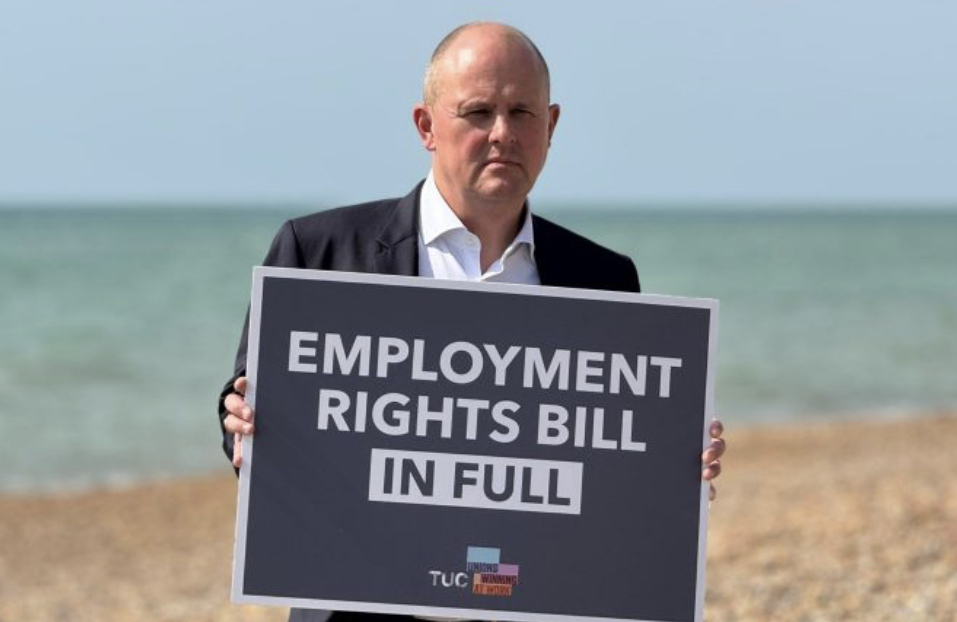
new study analysing the potential impact of the Employment Rights Bill indicates that millions of workers could benefit from better job security, but only if the Government stands firm and delivers on its promise of key reforms.
New analysis from the Work Foundation at Lancaster University provides insights as to the potential impact of two key reforms in the Bill – the introduction of new day one unfair dismissal rights and the ban of ‘exploitative’ zero-hour contracts – on levels of secure, moderately insecure and severely insecure work. It does so by using the UK Insecure Work Index to assess how these key reforms could have changed levels of insecure work in 2023 had they been in place.
Researchers find that the specific details of a new statutory probation period to be introduced as part of the Bill are likely to be particularly crucial. Estimates suggest that if day one unfair dismissal rights had been in place in 2023 with a six-month statutory probation period, then 1.2 million fewer people would have experienced severe insecurity at work. This could have potentially reduced the total number of people in severely insecure work from 6.8 million to 5.6 million.
However, if a 12-month statutory probation period was applied instead, 6.1 million workers would have remained in severely insecure work, with only 700,000 experiencing more secure work. It could also have meant 1.6 million fewer workers benefitting from the most secure category of work than under a six-month probationary period.
Ben Harrison, Director of the Work Foundation at Lancaster University, said: “Strengthening workers’ rights is a critical step towards delivering better living standards for working people across the UK. And while it is right that the Government engages extensively to ensure new measures are workable for workers and employers, ministers must not trade away the benefits of the Bill.
“Excessive delays in being able to access new rights risks significantly reducing the number of workers who will benefit from them at any given time. What might be characterised as ‘small details’ are in reality big choices for ministers, with significant implications for working people.”
The report also reveals that 92.5% of zero-hour contract workers would have benefitted from the new right to guaranteed hours had it been in place in 2023. This equates to around one million people, with 7.5% missing out as they had worked for their employer for less than the three-month qualifying period. Researchers note that while this new right will significantly reduce the amount of time all zero-hour contract workers face this kind of insecurity for, it will not address the other kinds of insecurity that zero-hour contract workers often also face – such as low pay and underemployment.
The research found that most notably, the proportion of the UK workforce in secure jobs would have risen sharply from 44.1% (13.9 million workers) to 56.7% (17.8 million workers)
The proportion of workers in moderately insecure work would have dropped from 34.6% to 25.6%, falling by 2.9 million and The number of people in severely insecure work would have fallen by 1.2 million, from 6.8 million (21.4%) to 5.6 million (17.7%).
In addition, researchers say those facing disadvantage stand to gain most from the added security of these two key Employment Rights Bill reforms:
The proportion of young workers aged 16-24 experiencing severely insecure work in 2023 would have fallen by 8.3 percentage points, down to 38.3%;
The proportion of Black and Asian workers experiencing severely insecure work in 2023 would have fallen by 4.6 and 4.5 percentage points respectively;
- Women and disabled workers could see reductions in severely insecure work by 4.8 and 4.7 percentage points respectively.
Ben Harrison continues, “The Employment Rights Bill has the potential to be transformative for some of the most vulnerable workers in our society – but only if ministers hold firm during the drafting of secondary legislation and new codes of practice over the next two years.
“This could be crucial to wider Government ambitions to support more people into sustained employment. Job insecurity can exacerbate underlying health conditions and lead to people bouncing in and out of employment, or leaving the labour market altogether – which is bad for workers, businesses and the economy.”