
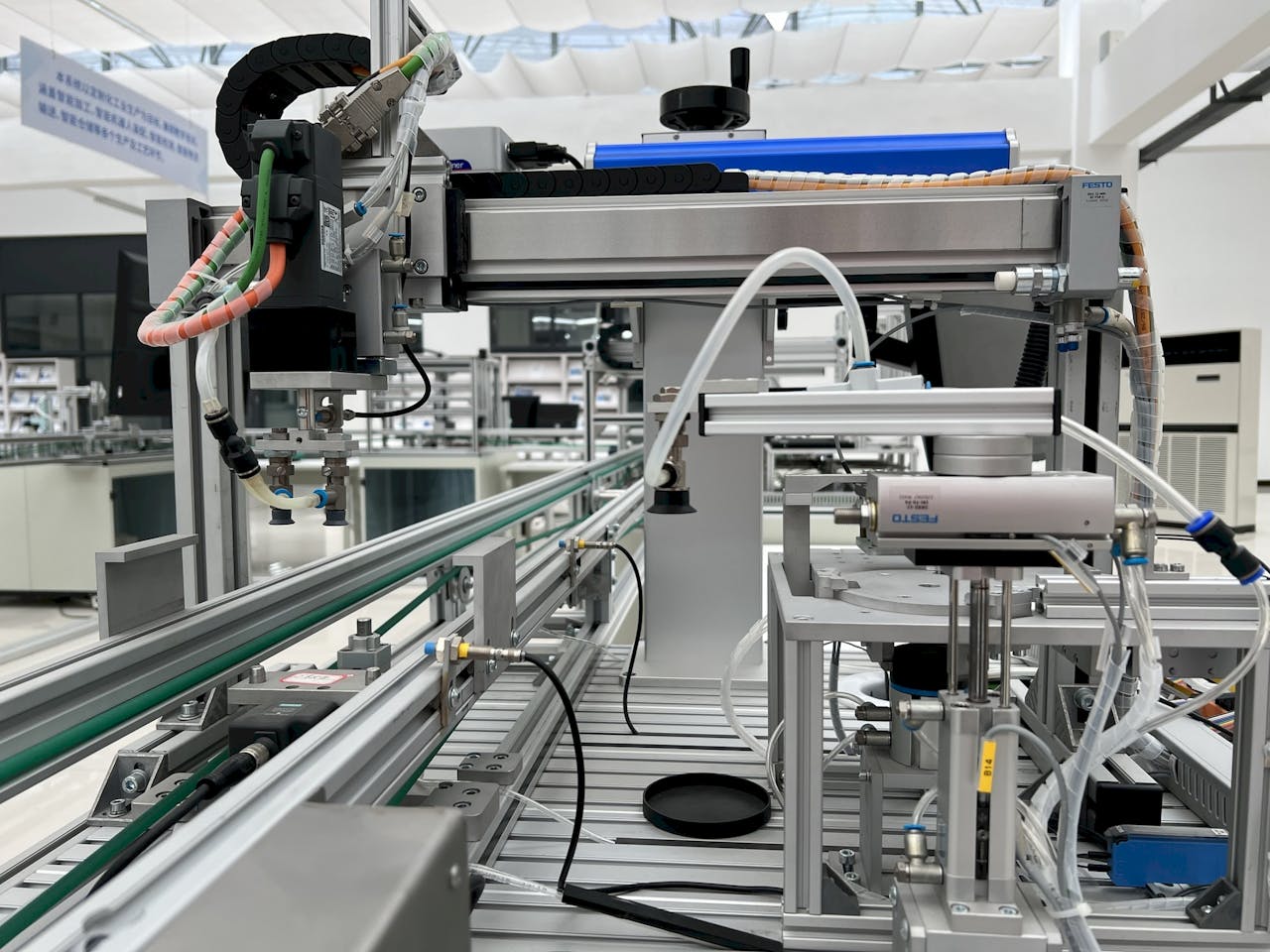
Precision, consistency, and efficiency are no longer optional; they’re essential. Every component within a machine must function flawlessly to ensure accurate output, reduce downtime, and maintain operational integrity. Among the many electrical instruments and mechanical systems at play, stepper motors have established themselves as a cornerstone in intelligent machine design.
When engineered correctly, low-maintenance stepper motors enhance the performance of modern equipment while significantly reducing the total cost of ownership. Their role in driving automation efficiency is central to how industries evolve toward smarter, more adaptable production systems.
The Role of Stepper Motors in Modern Machinery
A stepper motor operates on a straightforward yet powerful principle. It converts electrical pulses into precise mechanical movement. Unlike conventional motors, stepper motors divide a full rotation into equal steps, allowing for exact positioning without the need for complex feedback systems.
This precise control makes them indispensable in sectors such as robotics, semiconductor fabrication, medical devices, and packaging machinery. From automated conveyor systems to high-precision 3D printers, the integration of low-maintenance stepper motors ensures accuracy at every turn, literally and figuratively.
Efficiency as the Core Design Principle
Modern industries demand electrical equipment that can perform efficiently under variable loads. Stepper motors excel in this regard due to their unique torque control and energy-efficient operation. They consume power only when needed, aligning perfectly with energy-saving initiatives across industries.
Incorporating energy-efficient stepper motors for industrial applications can lead to measurable reductions in power consumption, especially in continuous or high-speed operations. This efficiency not only lowers operational costs but also aligns with sustainability goals, a key factor influencing today’s equipment design choices.
Why Low-maintenance Stepper Motors Matter
Maintenance is one of the most significant contributors to operational costs in manufacturing. Machines that require frequent servicing often disrupt workflows and reduce productivity. This is where low-maintenance stepper motors play a vital role.
These motors are designed with fewer mechanical contacts, meaning less friction and wear over time. Their construction eliminates the need for brushes or gear assemblies found in traditional motors, minimizing potential failure points. When properly deployed, such systems can operate continuously with minimal supervision, ideal for facilities that prioritize uptime and reliability.
Furthermore, their durability makes them suitable for harsh industrial environments where dust, vibration, and temperature fluctuations can otherwise degrade performance. By employing durable stepper motors with minimal maintenance requirements, manufacturers can extend machine life while reducing unexpected shutdowns.
Smarter Integration for Smarter Machines
Designing intelligent equipment requires more than selecting the right components; it demands a cohesive approach to integration. Stepper motors seamlessly interface with advanced controllers and automation software, allowing machines to execute intricate movements with exact timing.
Through digital control and feedback loops, engineers can program stepper motors to adapt to variable production conditions in real time. This capability makes them essential in smart factory automation setups, where precision and responsiveness define competitive advantage.
Moreover, the compact structure of stepper motors enables them to be incorporated into smaller systems without compromising torque or stability. This flexibility supports the design of compact machinery, an essential attribute in space-constrained production environments.
Applications Across Industries
The versatility of low-maintenance stepper motors makes them a preferred choice across multiple industries:
- Medical Equipment: For imaging devices and automated diagnostics that require micro-movements.
- Robotics: To drive articulated joints and precise arm motions with repeatable accuracy.
- Textile and Printing Machines: For synchronized movement and consistent pattern output.
- Aerospace and Defense Systems: For high-reliability applications where precision and endurance are critical.
- Consumer Electronics Manufacturing: To enable fine positioning during circuit assembly or inspection.
Each of these sectors benefits from the predictable motion, minimal upkeep, and longevity offered by stepper motor-based systems.
Partnering with the Right Energy and Component Providers
While the motor itself forms the heart of the system, its reliability also depends on the quality of its supporting components, controllers, power supplies, and connection systems. Partnering with reputable electrical equipment providers ensures that every part of the machine, from the motor to the control circuit, functions in harmony.
Such collaborations bring access to better engineering standards, certified materials, and technical expertise. In turn, this ensures that your low-maintenance stepper motor integration delivers consistent performance, extended life, and long-term operational reliability.