
More young people across the North West will have access to hundreds of rarely seen historical films and videos documenting the region’s activism, communities and cultural identity thanks to a major funding boost for Manchester Met’s North West Film Archive (NWFA).
Support from the BFI National Lottery Screen Heritage Fund will enable two new projects – one to increase engagement with young people and ensure their voices are represented in the archive, and another to open up one of the UK’s most important community video collections, capturing working-class activism in Hulme.
Together, they will provide more free public access to rare archive footage, empower young people to shape the future of screen heritage and ensure that filmed stories from the North West are preserved and shared for future generations.
Manchester Met’s NWFA is a specialist resource dedicated to preserving and growing the region’s rich filmed history. Over the last three years, supported by BFI National Lottery Screen Heritage funding, NWFA has undertaken a detailed audit of all current holdings, identifying material within the collection that helps address historical under-representation in screen heritage, including content relating to Global Majority communities, LGBTQIA+ audiences, people with disabilities, and young people.
The NWFA has also worked to improve accessibility to the collection for disabled and neuro-divergent people, as well as working with LGBTQIA+ communities in Merseyside to explore their needs and expectations.
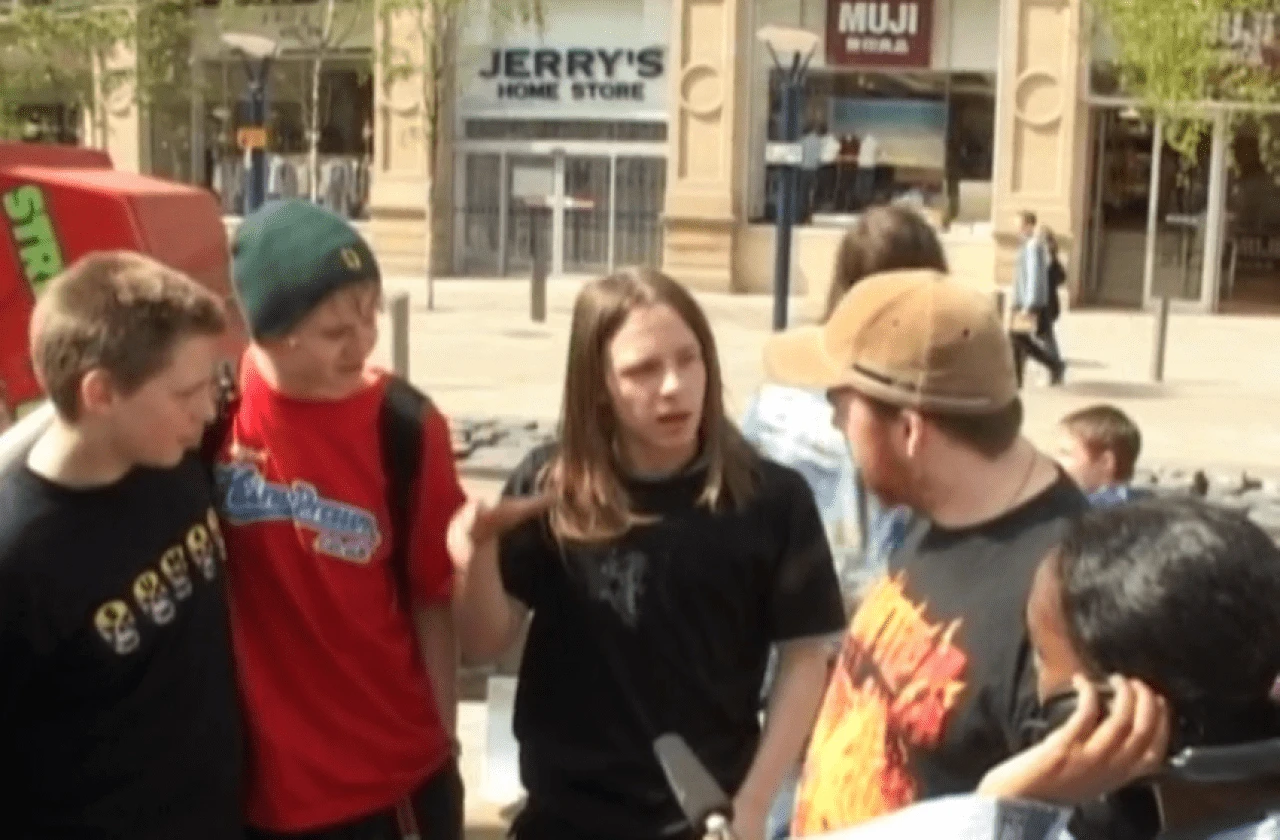
Over the next three years its newly funded ‘Amplifying Youth Voices in Screen Heritage’ and ‘The Workers’ Film Association: A Community Digital Discovery Project’ initiatives will build on this work, creating three specialist roles working with young people aged 11-25 and with the collection to transform how the NWFA saves and shares material relevant to young people today.
‘Amplifying Youth Voices in Screen Heritage’ involves the creation of a ‘NWFA Youth Heritage Collective’ which will help empower young people to develop resources for schools, colleges and community groups, and design youth-focused engagement and screenings across the region.
Project staff will receive detailed training in analogue and digital film preservation, as well as promoting the collection of digital content from young creators to nurture the future of screen heritage.
Development officers will process and catalogue many of the archive films and videos relating to under-represented audiences that were identified by the NWFA during their previous BFI-funded three-year audit.
Another project will focus on uncovering the hidden histories of Hulme’s Workers’ Film Association – a unique collection of 3,500 tapes documenting four decades of social and political life across the region, much of which has never been made publicly available before.