
Thousands more people are being referred for potentially life-saving liver cancer checks following the expansion of the NHS’s community liver health check programme.
The number of mobile liver scanning teams has almost doubled in the last 2 years, with 20 roaming teams now offering scans to communities in every region of England – up from 11 when the pilot started.
Almost 113,000 people (112,831) have had a fibroscan of their liver, and almost 8,500 (8,470) have been referred on for vital liver cancer checks since the programme began.
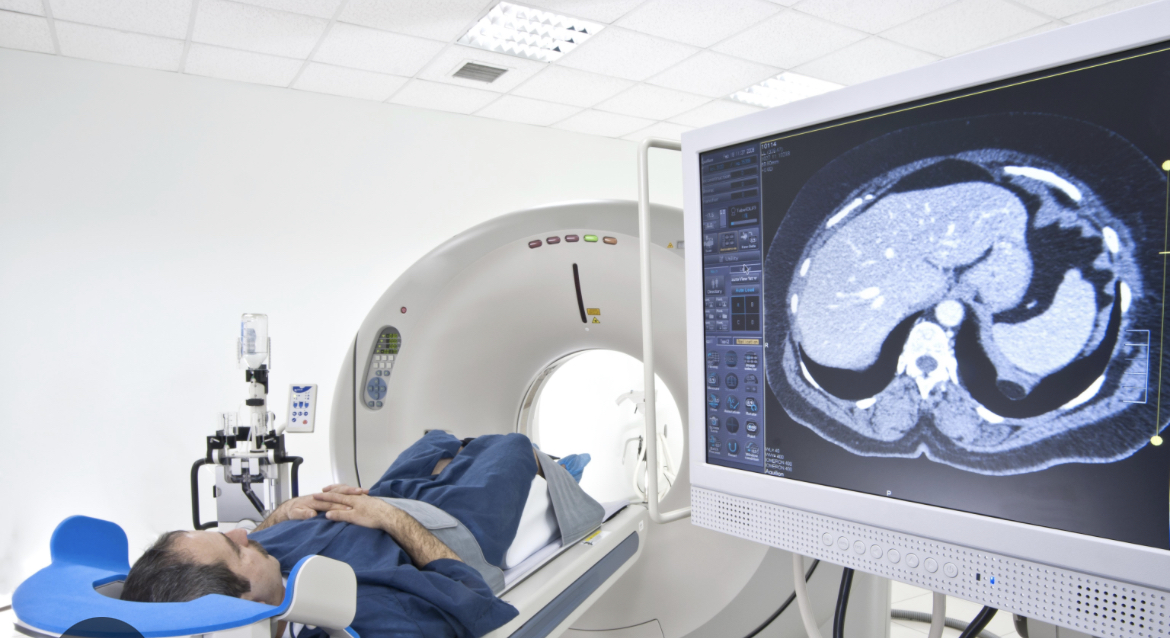
The on-the-spot scans check for cirrhosis or advanced fibrosis which increases the risk of liver cancer. If liver damage is detected people are referred on for further tests, helping to catch cancers earlier and ensuring people can get the right treatment and support.
The NHS programme is targeting at-risk groups in the community, including people with high levels of alcohol consumption, a current diagnosis or history of past viral hepatitis, or non-alcoholic liver disease, as these factors increase the risk of developing liver cancer.
The mobile trucks move around different areas offering checks in GP practices, recovery services, food banks, diabetes clinics, sexual health clinics and homeless shelters to perform quick, non-invasive scans.
Some areas have also taken the scanning vehicles to football matches, workplaces and outside supermarkets, making it as convenient as possible for people to get tested.
NHS teams delivering the scans are working closely with local community and charities to identify people most in need of tests and support, and some have also partnered with GP practices to scan people with conditions including type 2 diabetes and obesity.
NHS National Cancer Director, Professor Peter Johnson, said: “By reaching out into communities and making it easier for people to get checked, we will catch more cancers at an early stage, when the chances of successful treatment are much higher, and this can save lives.
“This programme has seen thousands more people referred for important further tests, allowing them to get vital treatment sooner alongside the support they need from the NHS to lead healthier lives.
“It’s a great example of the health service increasing its focus on prevention, as set out in the 10-year health plan.”